Essential Nail Tech Tool Kit: What to Buy First, and What Can Wait
A tiered nail tech kit list: must-haves for any service, then gel, acrylic, e-file and pedicure add-ons, plus sanitation and safety gear for Florida techs.
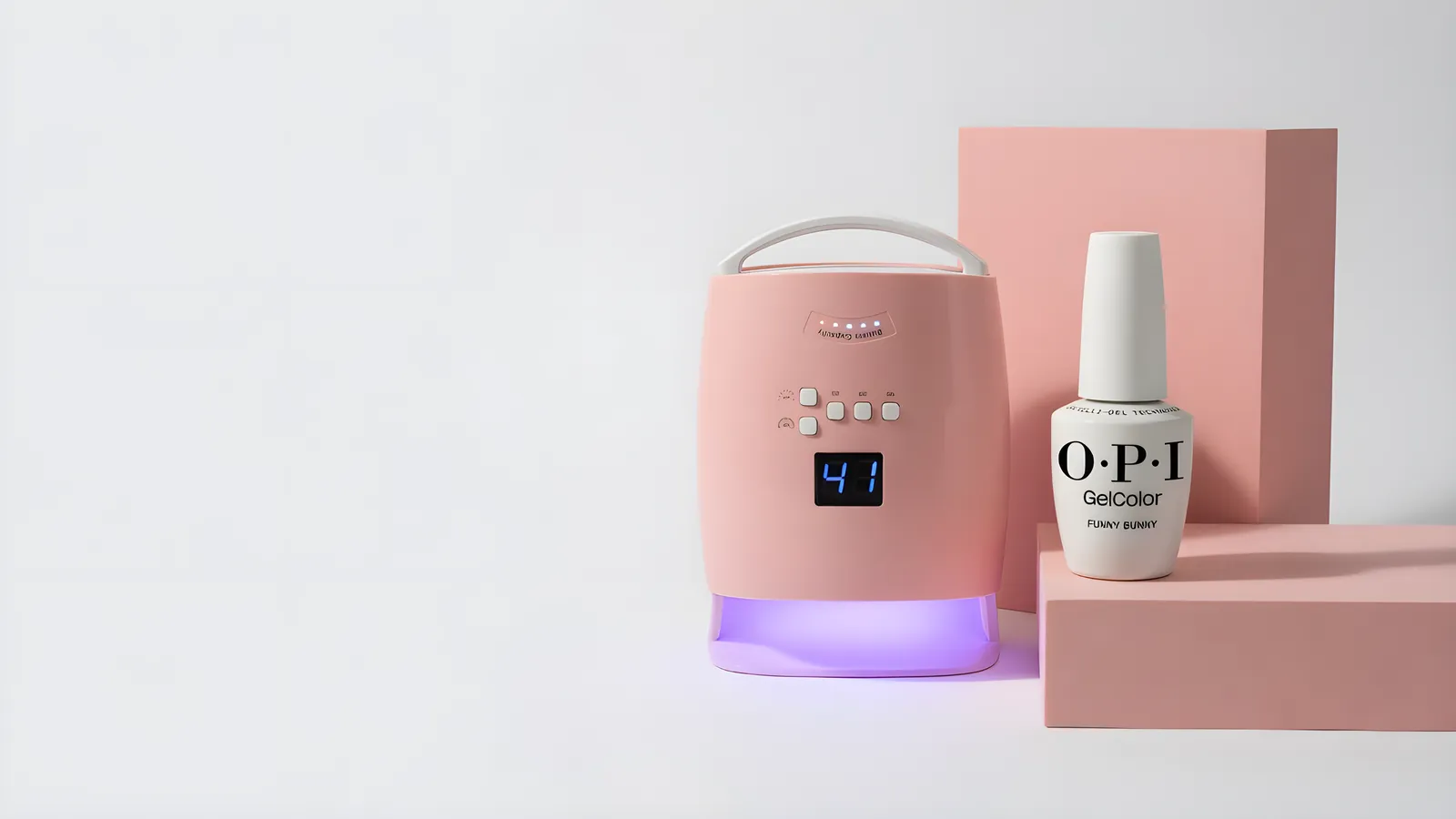
A working nail tech kit starts with files and buffers, cuticle nippers and a pusher, a dust brush, lint-free wipes, a gel lamp, a disinfecting jar with closed storage, gloves and a dust mask. Add gel, acrylic, e-file and pedicure tools in that order as your services grow. In Florida, a nail specialist registration requires at least 180 hours of education at a school of cosmetology.
How to build a kit without wasting money
Beginners tend to buy everything in one go and then find that half of it sits unused. A kit works better in tiers. Buy the first tier before you take a client. Add the next tier only when you start offering that service.
- Tier 1: the foundation. Tools every nail service uses.
- Tier 2: gel and polish. What you need for gel polish, builder gel and gel tips.
- Tier 3: acrylic and extensions. Liquid and powder tools.
- Tier 4: e-file. A machine and a small set of bits.
- Tier 5: pedicure.
- Always: sanitation and safety. These are not optional upgrades.
Buy fewer, better tools in the areas that touch skin (nippers, pushers, bits) and save on disposables you will replace often. If you are still in school, ask what your instructor wants, since programs differ.
What can wait
These items are nice to have, but you do not need them on day one:
- A large nail art collection. Charms, foils, rhinestones and encapsulation supplies make sense once you take art requests regularly. Start with a small set of colors and one or two art brushes.
- Every bit shape. Six well-chosen bits cover most work. See the bits guide.
- Several lamps. One reliable lamp that matches your gel is better than three that nearly do.
- A big color range. A tight edit of best-selling shades sells faster than a full wall that sits.
- Premium everything. Spend more where the tool touches skin and has to stay sharp (nippers, bits, a brush) and less on tools you will lose or replace.
A good order of operations is to buy Tier 1 and the sanitation gear first, practice on a hand or mat, then add the lamp and gel supplies for gel services. Acrylic comes next because it has the steepest learning curve. Add an e-file once you can already shape by hand and know what you want the machine to do for you. Add pedicure tools last unless pedicures are the main service you plan to offer.
Tier 1: the foundation kit
| Tool | What it does | What to look for |
|---|---|---|
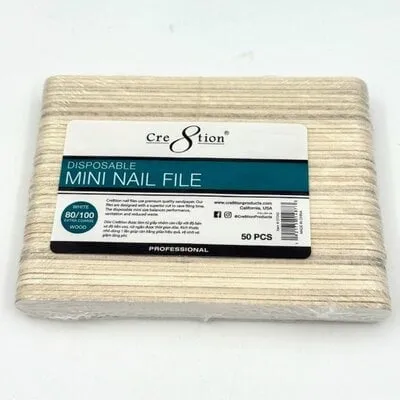
| Files and buffers | Shaping and smoothing | 100/180 dual-grit for enhancements and 240 for natural nails. See the nail file grit chart. Buy single-use files in multi-packs. Browse files and buffers |
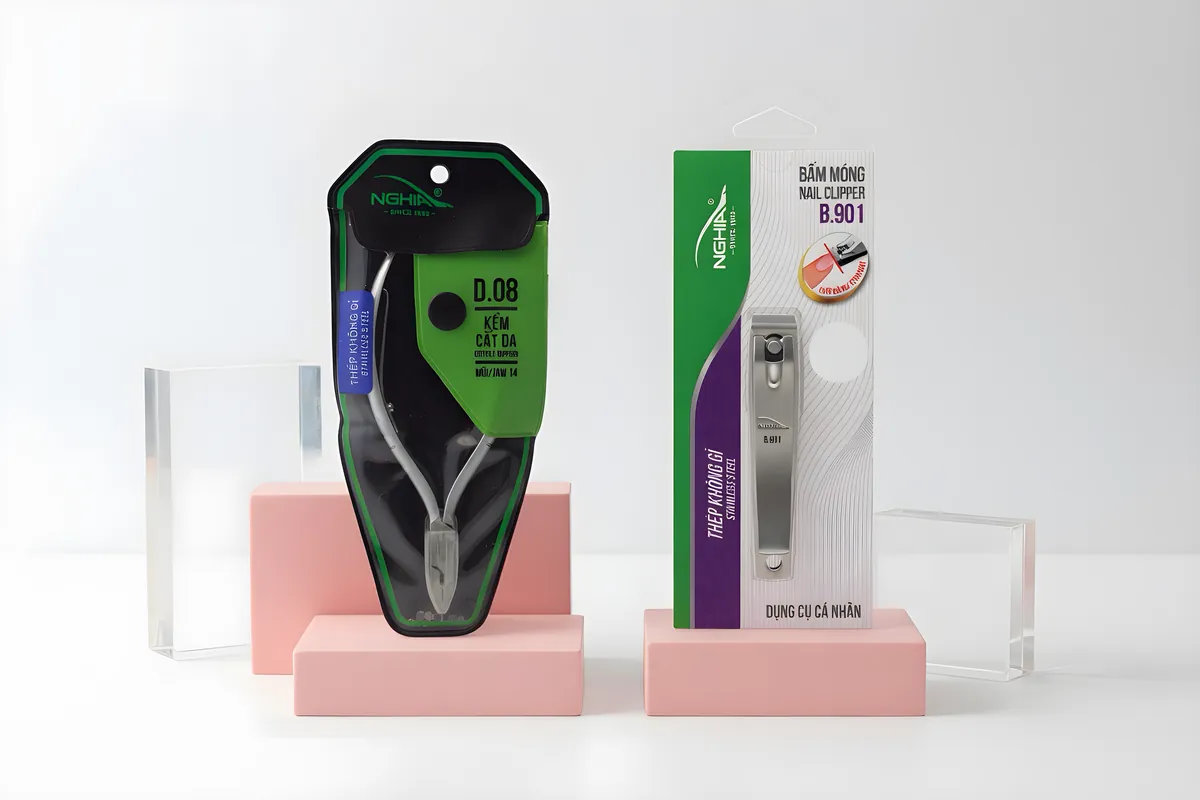
| Cuticle nippers | Removing lifted dead skin and hangnails | Good steel with a smooth action and a jaw size you control. Staleks, Nghia and My Nippers are in our nippers and scissors. See how to use cuticle nippers |
| Cuticle pusher | Lifting dead skin, cleaning the nail plate | Metal pushers can be disinfected. Browse pushers |
| Dust brush | Clearing filing dust before product | Soft, wide head. Browse dust brushes |
| Lint-free wipes | Cleansing the nail plate, wiping brushes | Lint-free wipes and wands. Cotton leaves fibers in gel |
| Arm rest | Supports the client's hand and your wrist | A cushioned rest at the right height reduces strain for both of you |
| Cuticle oil | Finishing every service | Browse cuticle oil |
| Tweezers | Placing charms and stones, picking up small items | Fine tip and a spring that does not slip. Browse the The Studio range |
Tier 2: gel and polish tools
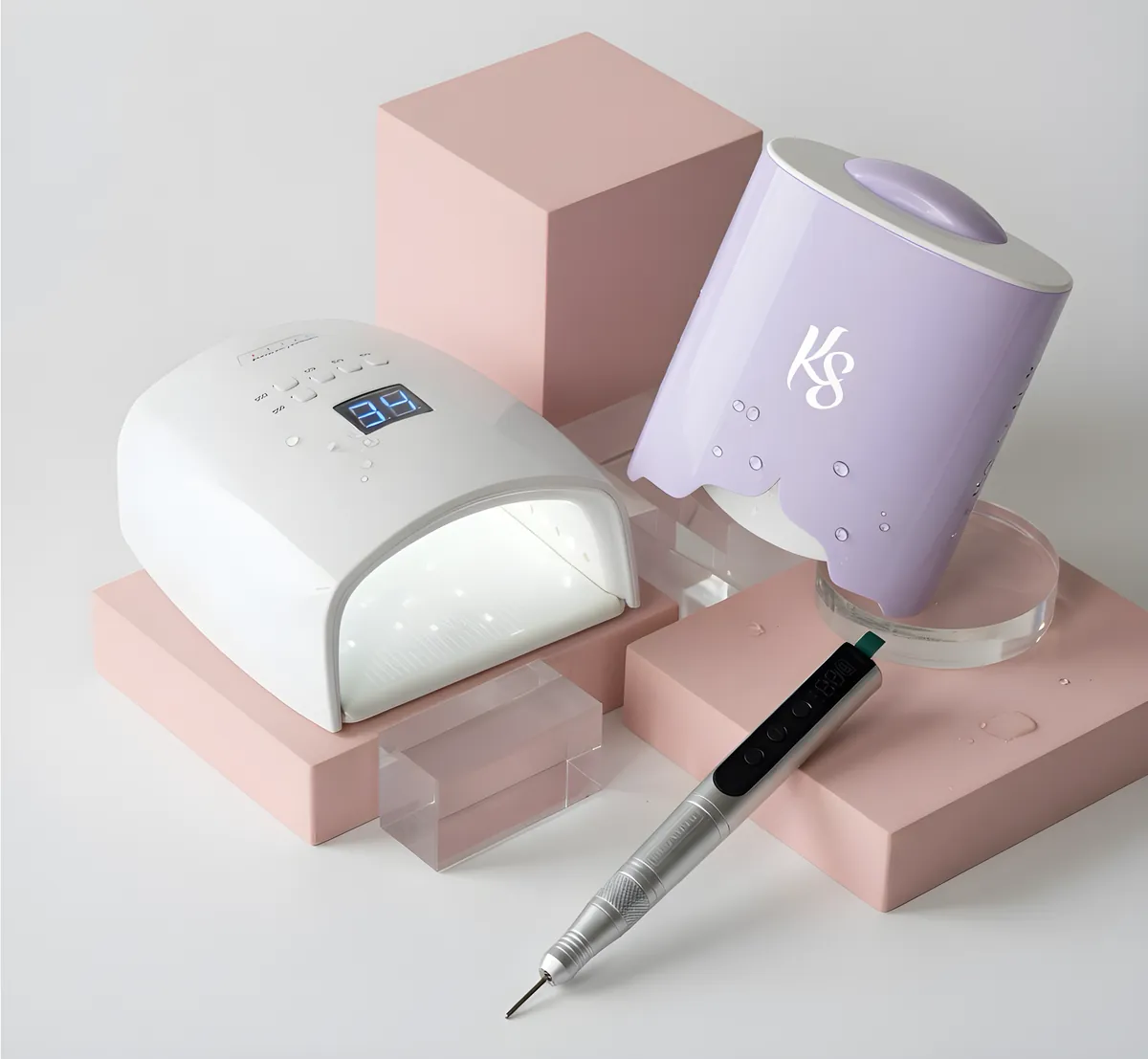
- Gel lamp. The lamp must match your gel. Read our UV vs LED lamp guide, check the gel maker's lamp recommendation and browse gel lamps.
- Gel brushes. A flat or oval brush for color and a thin brush for lines. See gel brushes and how to care for them.
- Clean-up brush. For cleaning around the cuticle before curing. French and clean-up brushes.
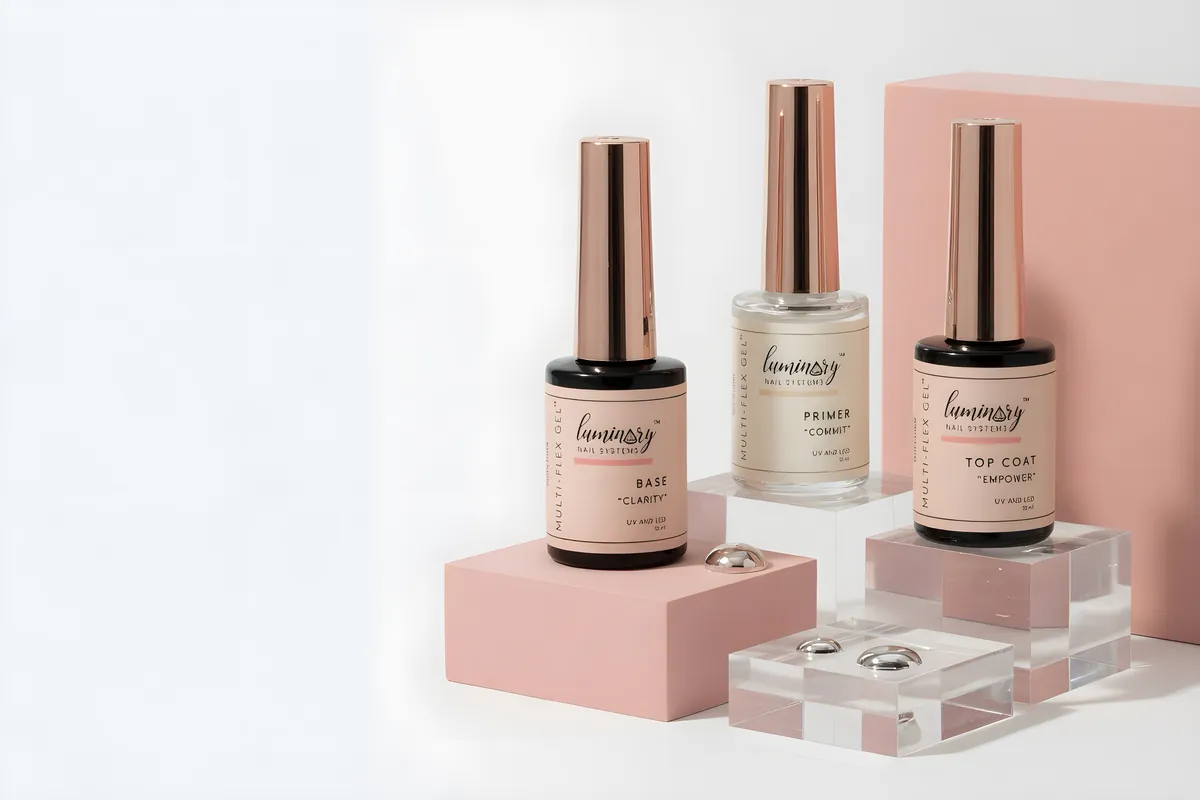
- Nail prep: dehydrator and primer, a cleanser and a base and top coat. See dehydrator, primer and bond.
- Forms or tips if you plan to do extensions. Gel-X and builder gel.
- Practice hand or training mat for learning to apply product without a client. Practice hands and mats.
Tier 3: acrylic tools
- Acrylic brush. A good natural-hair brush is your most personal tool. Browse acrylic brushes. A brush cared for properly can last years. See acrylic and gel brush care.
- Monomer and powders. Matching liquid and powder from the same system. Monomer and acrylic powders.
- Dappen dishes. A glass or ceramic dish for monomer and a separate one for cleanup. Young Nails lists a ceramic dappen dish in its brush-cleaning setup.
- Forms and tips in a range of sizes.
- Lint-free wipes for wiping the brush during the service.
Start with our acrylic nails guide if you are new.
Tier 4: the e-file and bits
- An e-file with exact speed control. See best nail drill for beginners and browse e-file drills.
- A starter set of bits: a 5-in-1 carbide, a smooth-top safety bit, a diamond or ceramic cuticle bit, and sanding bands on a mandrel. See the e-file bits guide and the RPM guide.
- A bit holder and a bit cleaning brush.
- A dust collector. See why dust collectors matter and browse dust collectors.
Tier 5: pedicure tools
- Callus tools: files, microplanes and machines. Browse callus files and machines and callus remover.
- Toenail clippers and slicers. Clippers and slicers.
- Liners, slippers and disposable kits. We stock pedicure liner bags, slipper thongs and disposable kits.
- Soaks, scrubs and lotion. See salts, scrubs and masks and lotion.
- Towels and a towel warmer. Towels and warmers.
Pedicure equipment that holds water has a separate Florida disinfection procedure (Rule 61G5-20.002(3)(g)), including 10 minutes of disinfectant after each client and a written log. See our pedicure supplies list for salons.
Always: sanitation and safety gear
These are as important as any tool in your bag.
- A covered disinfection container large enough to fully immerse your metal tools, and an EPA-registered hospital-level disinfectant. Florida's rule 61G5-20.002 requires this. Browse disinfectants and sterilizers and read how to use Barbicide on nail tools.
- A clean, closed container for storing disinfected tools, kept apart from anything undisinfected. The same rule requires it. See containers, jars and storage.
- Enough duplicates to rotate. One set in use, one soaking, one clean and ready. The rule prohibits using an article on more than one patron without disinfecting it, and requires sufficient implements to allow adequate disinfecting.
- Gloves and an N95 respirator. NIOSH recommends both for nail technicians. Browse gloves and masks.
- A dust collector or downdraft table, as NIOSH recommends local exhaust ventilation at the workstation.
- Closed bottles and pump dispensers. NIOSH advises pressure-sensitive dispenser bottles with small openings and keeping containers closed. Browse bottles and pumps.
- Sunscreen or UV-blocking gloves for clients. The American Academy of Dermatology recommends SPF 30+ broad-spectrum sunscreen or dark opaque fingerless gloves for gel manicures.
- Sunscreen for your own hands too.
Carry and organize it
- A rolling cart or case if you work mobile or move between stations. We stock rolling carts and tables.
- Bit holders and brush holders to keep tools separate and upright.
- Labels and a marker for dates on solutions and gels.
- A first-aid kit with bandages and gloves for cuts.
- A clean towel, trash bag and sealed waste bin for each service.
Visit one of our four South Florida stores (Margate, Pembroke Pines, Kendall and Boynton Beach) to hold nippers, brushes and handpieces before you buy. See store locations.
Your body is part of the kit
NIOSH notes that leaning over tables, hunching during pedicures and repetitive motions like filing can lead to musculoskeletal problems. It recommends equipment that supports good posture, such as an adjustable chair, and regular breaks. Budget for a good chair, a table at the right height and a way to prop your forearms. They matter more at the end of year one than another set of bits.
Set the station up so that dirty and clean never meet. Keep a labeled tray for used tools on one side, the disinfection jar in the middle, and the closed container of clean tools on the other side, and move left to right. That layout makes the Florida requirements for cleaning, immersion and closed storage easy to follow without thinking about them during a busy day.
Printable checklist
- Files and buffers (100/180 and 240), plus extras for single use
- Cuticle nippers and a pusher
- Dust brush and lint-free wipes
- Arm rest and a good chair
- Gel lamp matched to your gel
- Gel brushes and a clean-up brush
- Prep, base coat and top coat
- Acrylic brush, monomer, powders and dappen dishes (if you do acrylic)
- E-file, starter bits, bit holder, dust collector (if you use a machine)
- Pedicure basics (if you do pedicures)
- Covered disinfection jar, EPA-registered disinfectant, closed storage
- Gloves, N95 respirator, sunscreen or UV gloves
- Cuticle oil and lotion
Shop what's in this guide
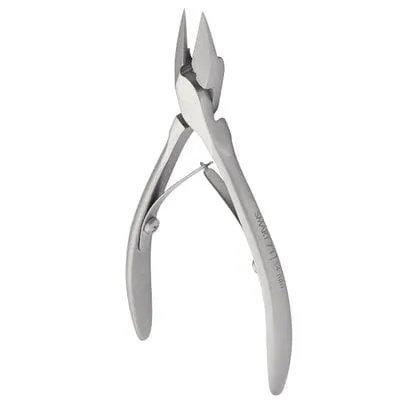
Pro Nippers for Ingrown Toenails - Smart 71 - 14mm - NS-71-14
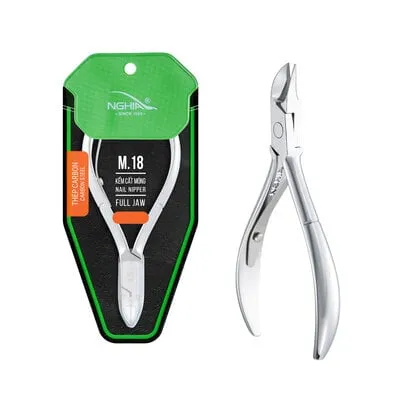
Nail Nipper - M.18 - Full Jaw
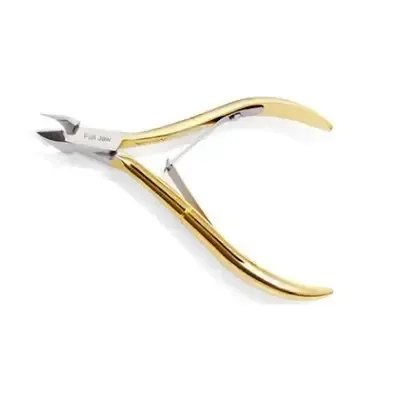 Sale
- Cuticle Nipper - Gold - Full Jaw
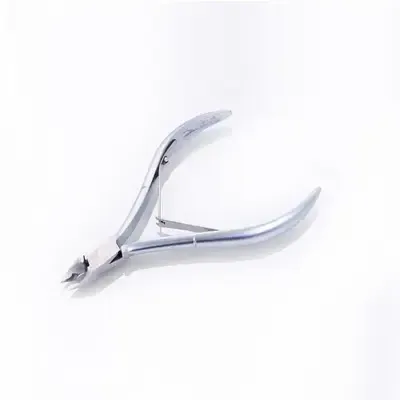
N-06 - Jaw 16
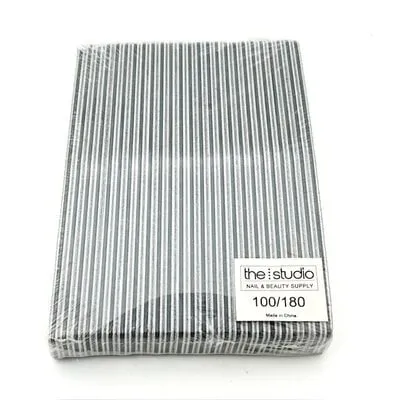
Files - Oval - 100/180 - Zebra/ Black - 25 Count
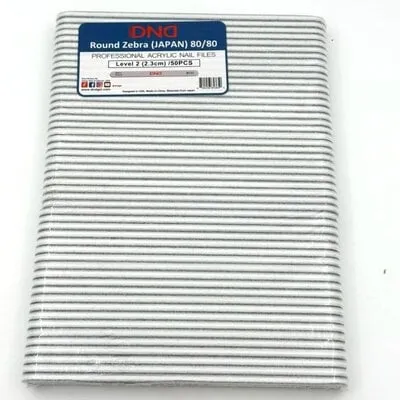
Nail Files - Round - 80/80 - Zebra - Japan - 50 count
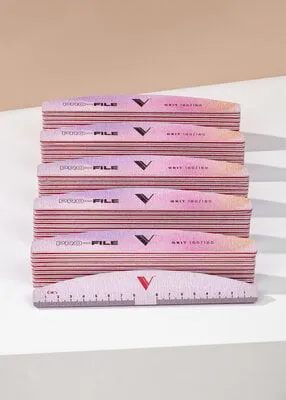
Files - 180/180 - Pink Halfmoon - 50 ct