LED vs UV Nail Lamp: Watts, Cure Times and Which Gels They Cure
LED vs UV nail lamps explained: wavelengths, the 36W warning, bulb life, skin protection and how to match a lamp to your gel.
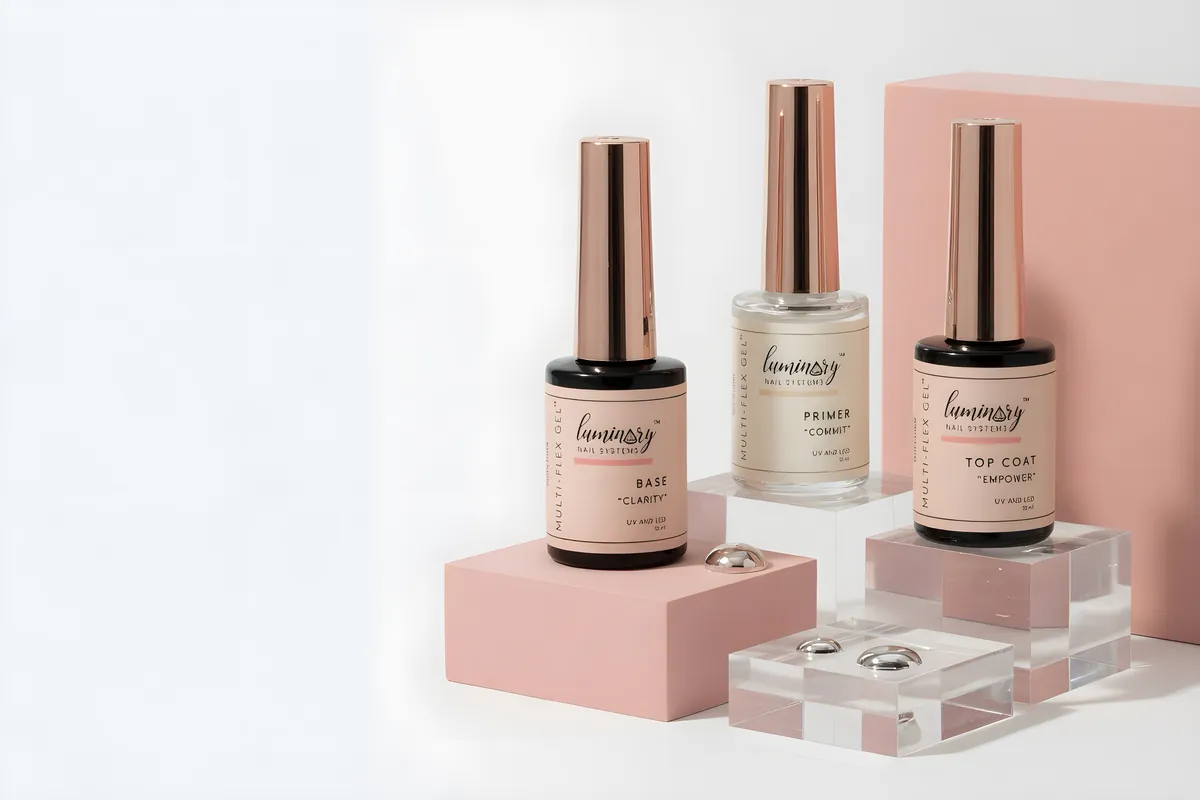
LED lamps are the newer type and last longer, while UV bulb lamps lose strength as the bulbs age. What matters is matching the lamp to the gel: some gels respond at 365 nm, LED lamps typically emit around 395 to 405 nm, and Young Nails warns lamps under 36W may not cure properly.
UV vs LED nail lamps in one table
Both lamp types cure gel by feeding light to photoinitiators inside the bottle. Young Nails describes LED lights as the newer option that cure gel faster, and UV lamps as emitting controlled ultraviolet light, similar in type to sunlight but more regulated. The difference that matters at your table is which wavelength the lamp produces and which wavelength your gel was built for.
| UV lamp (bulb type) | LED lamp | Dual UV/LED lamp | |
|---|---|---|---|
| Light source | UV bulbs | Light-emitting diodes | A mix designed to cover both ranges |
| Typical wavelength (NailKnowledge) | Around 365 nm for gels designed for it | Around 395 to 405 nm | Check the lamp's spec sheet |
| Wear | Bulbs lose strength and need replacing (Young Nails) | Last longer, but the whole light is replaced (Young Nails) | Depends on build |
| Gel compatibility | Not every gel works under every lamp | Not every gel works under every lamp | Widest, but still follow the label |
The honest answer to "which is better" is that neither wins on its own. The best lamp is the one your gel was made for, with enough output to cure the thickest product you use.
Wavelength: why a gel can refuse to cure under the wrong lamp
NailKnowledge explains that some gel photoinitiators respond best to UVA light around 365 nm, while LED lamps typically emit around 395 to 405 nm. A gel designed for one wavelength may not cure well under another, even when the lamp looks the same. That is why the same bottle can cure on a salon lamp and stay tacky on a cheap one at home.
The practical consequence is simple. Look for the cure instructions on your bottle. They list LED, UV or both. If the label lists only one, use that type. If you own a dual UV/LED lamp, you have more room, but you still follow the brand's time. NailKnowledge says pairing a budget lamp with a professional gel, or mixing brands without checking compatibility, is a common cause of home problems.
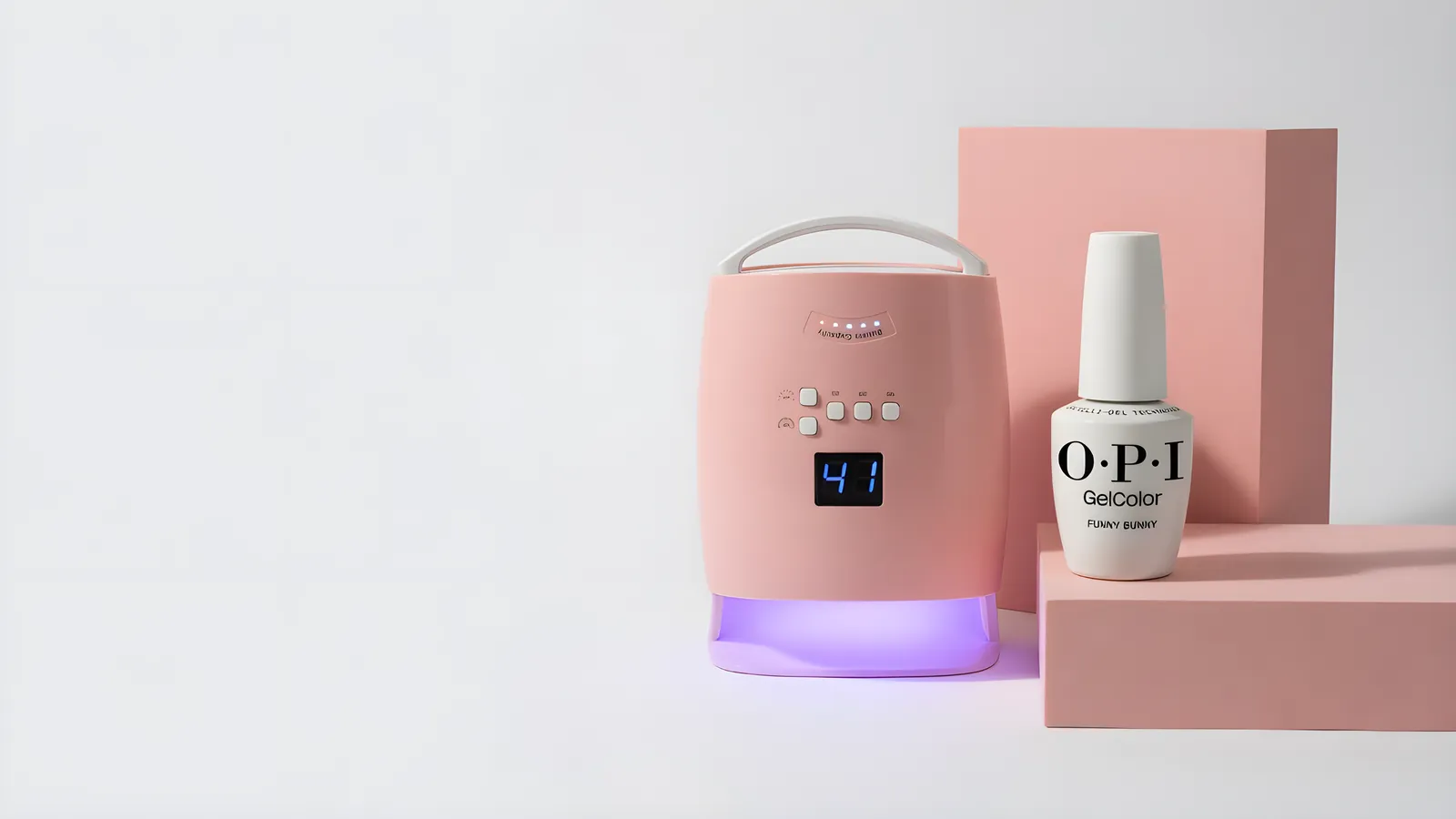
Brands usually test their gels with their own lamps. That is why you see an OPI GelColor page recommend the OPI Star Light lamp and give 30 second cure times, as in their OPI step list. Other brands publish their own pairings. If the brand names a lamp, start there.
Watts: what the number tells you and what it does not
Watts measure the power the lamp draws, not exactly how much curing light reaches your nail. Young Nails warns that lamps under 36W may simply not be powerful enough for proper curing, so treat 36W as a floor to be aware of. Above that number, quality still varies.
Things that change the real result more than the printed number:
- Bulb count and spread. More diodes placed across the chamber give more even light, especially at the edges and thumb.
- Distance. The nail closer to the light gets more. A hand pushed to the back of a deep chamber gets less.
- Bulb age. NailKnowledge says output can drop while the lamp still looks fine.
- Product thickness and pigment. Heavily pigmented and thick products need more light, as NailKnowledge notes about thick builder gels.
When in doubt, compare your cure results with a fresh gel on a thin coat. If it is still wet at the label time, the lamp is the weak link. Our guide on gel that stays sticky walks through that test.
Lamp lifespan: how to know it is time to replace
Lamps decline slowly. Young Nails says UV bulbs lose strength until they no longer cure properly, and LED bulbs lose strength over time too, though LEDs last longer. The sign is almost always the same: gels that used to cure in the label time now stay tacky or soft underneath.
Replace or upgrade when:
- Thin coats of a fresh gel stay wet at the label time.
- Cure results differ between the left and right sides of the chamber.
- Your lamp is a dual-bulb UV unit and one bulb is dim or flickering.
- You moved from polish to builder gel and the lamp cannot cure the thicker layers.
For a UV bulb lamp, replacing the bulbs is possible. For an LED, you replace the whole light. Browse Gel Lamps when it is time.
Skin safety: what the research says about nail lamps
Both UV and LED nail lamps produce light in or near the UVA range. A 2023 study from UC San Diego published in Nature Communications exposed cells to the radiation from nail dryers, which emit UV light in the 340 to 395 nm range according to the university's summary. One 20 minute session killed about 20 to 30 percent of the cells, and three consecutive sessions killed about 65 to 70 percent. The study also found DNA damage, some of it not repaired over time.
That is lab work on cells, not on people. The researchers say it is unclear how often someone would need to use the devices before risk rises, and that a long-term epidemiological study is needed, which they estimate would take at least a decade. Read the finding as a reason for caution, not proof that a manicure causes cancer.
The American Academy of Dermatology gives simple precautions: apply a broad-spectrum, water-resistant sunscreen of SPF 30 or higher to your hands before a gel manicure, or wear dark, opaque gloves with the fingertips cut off. It also suggests reserving gel manicures for special occasions and taking a break of one to two weeks or longer between polish.
If you work with these lamps all day, talk to a dermatologist about your exposure. The AAD recommends seeing a board-certified dermatologist for persistent nail or skin problems.
If you take medication or have a condition that makes your skin sensitive to UV, ask your doctor before using nail lamps.
Lamps we carry and who they fit
We stock lamps from several brands in Gel Lamps. A few examples in the catalog:
- OPI Star Light LED Lamp: the lamp OPI's GelColor steps call for, so it pairs with OPI gels.
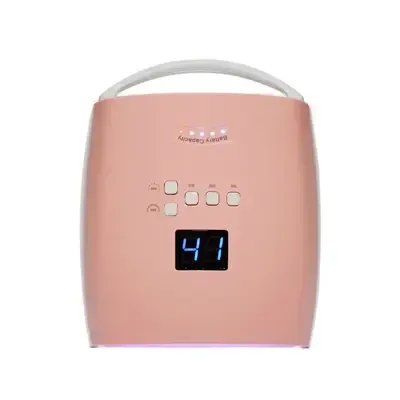
- DND 48W Cordless UV/LED and DND LED/UV Plastic Body: for DND and DC users who want a UV/LED unit.
- Kiara Sky Beyond Pro rechargeable LED: cordless for tech who move between stations. See Kiara Sky.
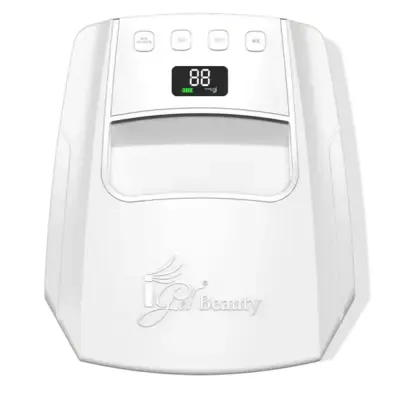
- iGel Hybrid Pro wireless UV/LED: a cordless UV/LED line from iGel.
- Gelish lamps and Cre8tion LED/UV lamps: pro options for a station. See Gelish and Cre8tion.
Choose by the gels you use most, how thick your products are, whether you need a cordless unit and how many hands you cure at once. Come into any of our four stores if you want to compare lamps in person.
A simple decision guide
- Read your gel label. If it says LED only, buy LED. If it says UV and LED, any matching lamp works.
- Check the power. Do not buy a lamp under the 36W Young Nails warns about for regular use.
- Think thickness. If you will use builder gel, choose a lamp you know can cure depth, not a tiny single-finger unit.
- Plan to replace it. Treat lamps as consumables. Output drops before the lamp stops working.
- Protect your hands. SPF 30 or higher, or fingerless gloves, as the AAD advises.
- Stay consistent. Use the same lamp and times so you can spot a problem early.
If your goal is HEMA and TPO free gel, shop that range in HEMA TPO free. The lamp rules do not change.
Five lamp mistakes that look like gel problems
Many "bad gel" complaints are lamp habits. Check these before you blame the bottle.
- Curing with the hand at an angle. The edge of the thumb and the little finger sit farther from the diodes. Rotate your hand, as NailKnowledge suggests, and cure the thumb on its own if your lamp needs it.
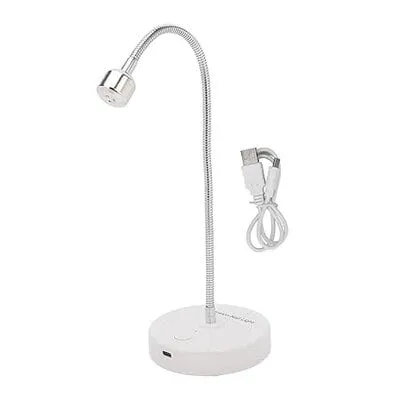
- Using a single-finger or flash lamp for full cure. Small flash lamps are made to lock glitter or tack a coat. Check the maker's instructions before you rely on one for a complete cure of a heavy product.
- Skipping the timer. Young Nails lists insufficient curing time as a simple cause of sticky nails. Use the label time, then add nothing.
- Dirty lamp floor. Gel drips, dust and file dust on the diodes or reflective surface reduce output. Wipe the chamber when the lamp is off and cool.
- Mixing brand systems without checking. NailKnowledge calls this a common cause of home problems. Use matching base, color and top coat when a brand specifies a system.
If a nail still feels hot during curing, lift your hand out for a moment and put it back, then thin the next coat. Young Nails says the cure creates a thermal reaction and thick coats can cause an uncomfortable heat spike.
Home use vs salon use: how the choice changes
A nail tech cures dozens of sets a week. A home user may cure one set every couple of weeks. That changes what you should buy.
For a tech, output consistency and durability matter most. A lamp that fades by a few percent a month will cause lifting complaints before anyone suspects the lamp, so track your lamp's age and replace it on a schedule. A tech working with builder gel also needs a unit that can cure the depth of those layers, and enough chamber space for a whole hand.
For a home user, matching the lamp to the gel is what matters. Buy gels from the brand that fits your lamp, or the lamp the brand recommends, and avoid mixing bargain bulbs with professional-grade color. If you are starting from scratch, a beginner kit that bundles a lamp with compatible gels keeps compatibility simple. Browse beginner kits and then compare with a separate lamp if you outgrow it.
Whichever you are, keep the same lamp and times for a month and note results. You will spot a fading lamp sooner and avoid blaming your technique.
Shop what's in this guide
NAD - Flash Cure UV/ LED Mini Desktop Lamp
Hybrid Pro 3 - Wireless UV/LED Lamp - White
Flash Cure Light - White
 Sale
Gel Lamp - 48W Cordless UV/LED - Pink
M92 - Intelli-Gel - Mi Casa Es Blue Casa
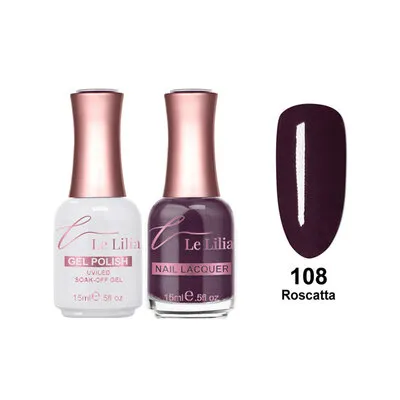
108 - Roscatta - Gel - 0.5 oz
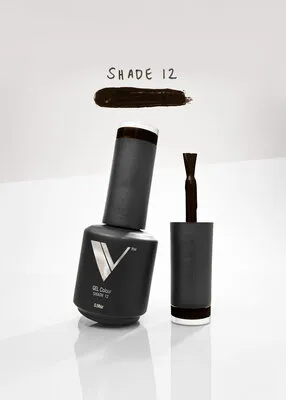
Gel Polish - Foundation Shade 12
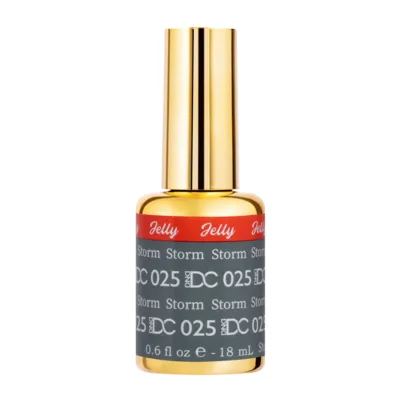
Jelly - 025 - Storm
Questions we get at the counter
Which is better, a UV or an LED nail lamp?
Can I use LED gel under a UV lamp?
Is an LED nail lamp safer than UV?
Do nail lamps cause skin cancer?
How many watts do I need?
How often should I replace my nail lamp?
Sources
- NailKnowledge: Gel polish curing, lamp compatibility and common issues
- Young Nails: Why is my gel polish not curing?
- UC San Diego: UV nail polish dryers damage DNA and cause mutations in cells
- American Academy of Dermatology: Gel manicures, tips for healthy nails
- OPI: GelColor Miami Beet application steps