Why Is My Gel Polish Still Sticky After Curing?
A thin tacky film is normal. Wet, smearing gel is not. Here is how to tell which one you have and fix lamp, coat and bulb problems.
A thin tacky film on the top coat is usually the normal inhibition layer, and a lint-free wipe with gel cleanser removes it. If the gel is wet, smears or feels soft underneath, it is under-cured. The usual causes are a lamp that does not match the gel, weak or old bulbs, coats that are too thick, or old gel.
Sticky film or wet gel: how to tell in 10 seconds
Most gel polish leaves a thin, tacky layer on the surface after the lamp shuts off. NailKnowledge describes this as a thin inhibition layer, and says a light tackiness there can be normal in many gel systems. Young Nails says the same: the layer does not mean your nails are uncured, it helps the next coat grip. Wipe it off after the final coat and the nail is hard and glossy underneath.
Wet or soft gel is a different problem. If the whole nail feels tacky across the entire surface, NailKnowledge says that usually means the photoinitiators in the gel were not fully activated, often from low lamp wattage or worn-out bulbs. Use this table to sort out which one you have.
| What you see or feel | What it means | What to do |
|---|---|---|
| Thin tacky film on top coat only. Wipe with cleanser and it turns glassy. | Normal inhibition layer | Wipe it off. Nothing is wrong. |
| Wipe leaves a smear, color drags, or the gel looks wet. | Under-cured | Fix the cause below, then redo that nail. |
| Surface looks set but the nail feels soft or bendy under pressure. | Cured on top, liquid below | Remove and redo with thinner coats. |
| Wrinkles or ripples across the color. | Top set faster than the layer below | See our wrinkling guide. |
| Only one finger or the thumb is sticky. | Uneven light reaching that nail | Reposition the hand, cure the thumb on its own. |
Quick test: press a clean lint-free wipe wet with gel cleanser on the cured top coat and pull it across. A tacky film wipes clean and leaves a hard shine. If color comes off on the wipe or the surface smears, the gel was never fully cured.
Cause 1: the lamp does not match the gel
Gel cures through a chemical reaction. Photoinitiators inside the bottle absorb light in a specific range and start the hardening. NailKnowledge notes that some gels respond best to UVA around 365 nm, while LED lamps typically emit around 395 to 405 nm. A gel built for one range may cure poorly under the other, even when the lamp looks like it is working.
Young Nails makes the same point from the other side: UV and LED are not the same, and not every gel is compatible with both. Their advice is simple. Check the label on your gel for LED, UV or both, and remember that cure times change with the lamp and the product.
The common home mistake is pairing a budget lamp with a professional gel, or mixing brands without checking. NailKnowledge lists both as frequent causes of curing problems. If you only have one lamp, buy gels the brand says work with it. If you already own the gels, choose a lamp the brand approves. For a full breakdown of lamp types, read LED vs UV nail lamps.
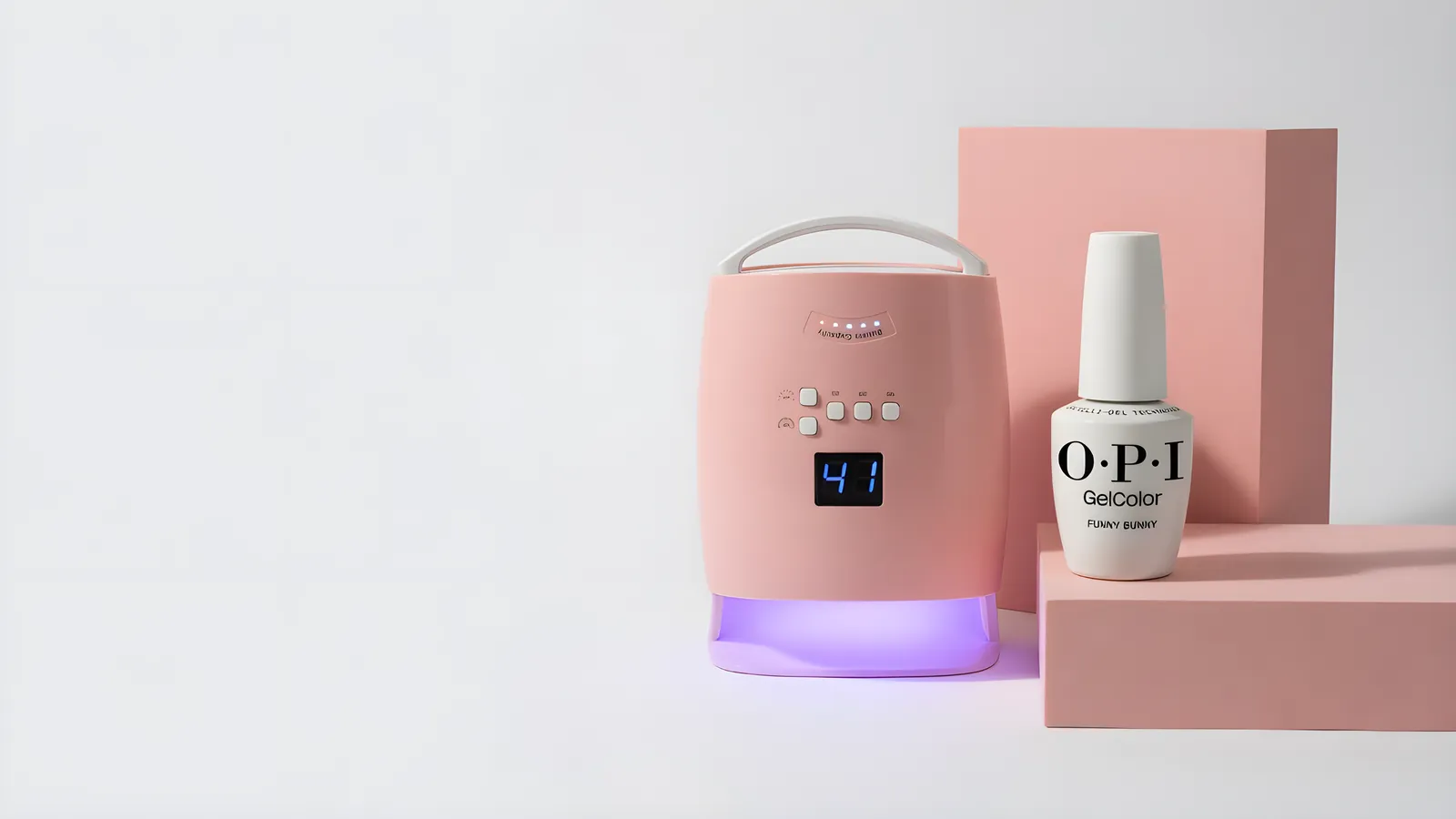
Shop the lamps we stock in Gel Lamps. They include DND, Kiara Sky and iGel models, plus the OPI Star Light LED lamp.
Cause 2: weak output, old bulbs or low wattage
Lamps fade before they look broken. Young Nails explains that UV bulbs lose strength over time until they stop curing well. LED bulbs fade too, but they last longer, and the fix is replacing the whole light instead of changing bulbs. NailKnowledge gives the same advice: replace bulbs regularly, because output can drop while the lamp still appears to work.
Wattage matters too. Young Nails warns that lamps under 36W may simply not be strong enough for proper curing. Wattage is only a rough guide. Bulb count, bulb position and how close your hand sits to the light also change how much energy reaches the nail, so a high number on the box is not a guarantee. Treat 36W as the floor Young Nails mentions, not a promise.
Signs your lamp is the problem:
- Gels that cured fine last month are now tacky.
- Every brand you try behaves the same way.
- The first coat on the thumb is fine but the pinky is wet, which suggests the light is uneven.
- Cure times that the label gives you no longer work.
NailKnowledge also suggests rotating your hand during curing to even out the exposure. If your lamp has a thumb position, use it, and cure the thumb separately when it sits at an angle to the bulbs.
Cause 3: coats too thick or too dark
Light has to reach the bottom of the layer. Young Nails says thick gel blocks light from penetrating, and curing is also a heat reaction, so a thick coat can cause an uncomfortable heat spike on your nail. NailKnowledge adds that pigment load and viscosity change how light moves through the gel. Dark, heavily pigmented colors need thinner coats than sheers.
OPI's own application steps for GelColor ask for a very thin coat of color, cured 30 seconds under the LED lamp, then a second very thin coat cured another 30 seconds. Two thin coats cure more reliably than one heavy coat, and they look better too. Wipe the brush against the bottle neck, paint thin, and keep the gel off the skin.
If you are curious how thick is too thick, read our guide to gel coat thickness. The short version: if you can see the brush stroke build up a ridge, you used too much.
Cause 4: skipped timer, unshaken bottle, old or contaminated gel
Young Nails lists insufficient curing time as one of the simplest explanations. Rushing leads to a sticky manicure that takes longer to fix. Follow the brand's time for your lamp. OPI's page, for example, lists 30 seconds under its LED lamp for base, each color coat and top coat. Do not add extra cure cycles to compensate for a bad lamp. OPI's Geliversity lessons call extra cure cycles manicure sabotage, so fix the lamp or the thickness instead.
Shaking matters because pigment settles. OPI's product page tells you to shake the color to mix the pigment evenly and to shake the top coat vigorously for one minute. A bottle that sat on a shelf for months can apply thin and weak if you skip this step.
Gel also ages. Young Nails says gel polish is past its prime when it becomes thick, sticky or separates, and that even newer gel can be compromised by dust, oils or other products. The usual culprit is a brush that touched skin or lotion and went back in the bottle. Store bottles closed, away from sunlight and in a cool, dry place. See does gel polish expire for the full checklist.
How to fix a nail that is still wet
- Do not cure it again for longer. Extra minutes under a mismatched or weak lamp rarely fix wet gel at the bottom of a thick layer.
- Wipe the wet gel off with a lint-free wipe and gel cleanser. Wipe toward the free edge so you do not push gel onto the cuticle.
- Check the basics: the gel says it works with your lamp, the bulbs are not old, and you shook the bottle.
- Rebuild in thin coats. One thin base, two thin color coats, one thin top coat. Cure each fully before the next.
- Cap the free edge on every coat and keep gel off the skin and cuticle. Uncured gel on skin is what starts allergy problems.
- Finish with a wipe unless you used a no-wipe top coat. OPI's page says to wipe the top coat's sticky layer with a nail wipe saturated with N.A.S. 99.
For wipes and cleansers, see our gel base and top coats. Keep a pack of lint-free wipes next to the lamp so you are not tempted to use a cotton ball that leaves fuzz in the gel.
Why under-cured gel is worth fixing, not ignoring
A sticky nail is not only a cosmetic issue. NailKnowledge says under-cured gel can stay partly liquid underneath while the surface looks set. That leads to lifting, discoloration and, on repeated exposure, sensitization reactions on the nail area. The FDA's nail products page says traces of methacrylate monomers in artificial nails can cause redness, swelling and nail bed pain in people who have become sensitized, and that avoiding skin contact lowers the risk.
If you get a rash, swelling or pain around the nail after a gel manicure, stop using the product and see a doctor or dermatologist. The FDA asks you to report reactions to nail products after telling your healthcare provider. Gel lines marked HEMA and TPO free are available in our HEMA TPO free section, though correct curing still matters for every gel.
Is it the lamp, the coat or the bottle? A quick decision rule
Change one thing at a time so you know what fixed it. Start with the cheapest test. Paint one nail with a single very thin coat of a different, fresh bottle and cure it for the label time. If that nail is hard and wipes clean, your lamp is fine and the first bottle is the problem: old, unshaken or contaminated.
If the fresh bottle also stays wet, test the same thin coat with a gel your lamp's brand recommends. If that cures, you have a gel and lamp mismatch. If nothing cures, the lamp is weak, old or too far from your nails, and it is time to replace it. A lamp that cured thick builder gel in the past can still fail on thin polish once the bulbs fade, so do not assume it is fine because it turns on.
When thin coats cure but thick ones do not, the lamp is probably adequate and your technique needs to change. Thin it down, cap the edge and cure each coat fully.
Shop what's in this guide
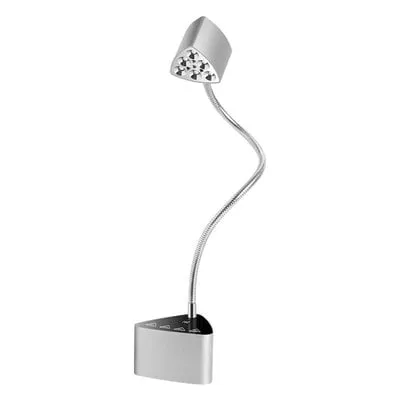
NAD - Flash Cure UV/ LED Mini Desktop Lamp
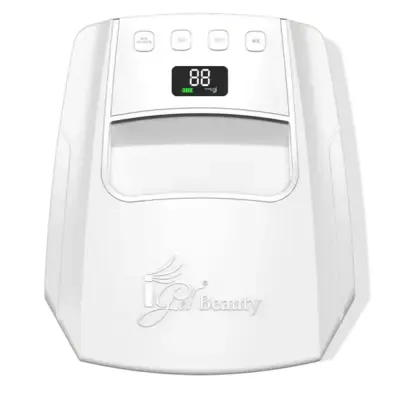
Hybrid Pro 3 - Wireless UV/LED Lamp - White
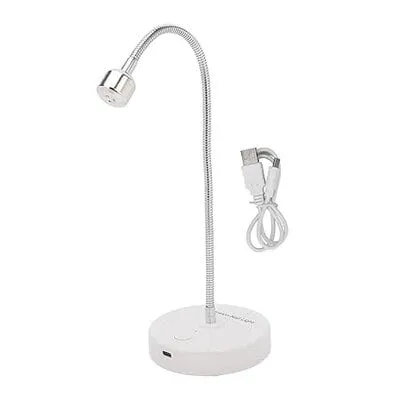
Flash Cure Light - White
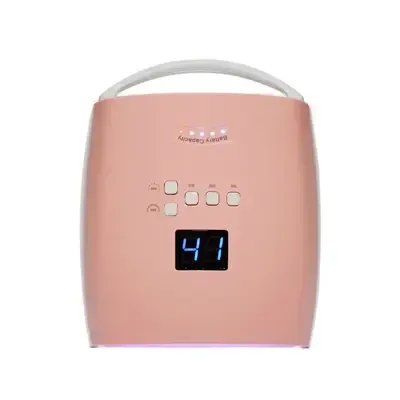 Sale
Gel Lamp - 48W Cordless UV/LED - Pink
Gel Top Coat 020 - Matte Dots #2
Gel - Rubber Base - Black Diamond
Base Gel - 8 oz