Does Gel Polish Expire? Shelf Life, Florida Heat and Storage
Gel polish does go bad. Signs it has turned, how light and heat age it, and how to store gel in Florida so it cures when you need it.
Yes. Gel polish goes bad: it turns thick, sticky or separated, and it can stop curing properly. Light, heat and contamination speed that up, so keep gel sealed, dark and cool, and never in a hot car or an uncooled garage.
Yes, gel polish goes bad. Here is how to tell
Gel polish has a shelf life, and no, it does not last forever just because it is sealed. Young Nails puts it simply: just like food, gel polish has a shelf life, and you know it is past its prime when it becomes thick, sticky or separates. Even newer gel can be compromised if it gets contaminated with dust, oils or other products.
The bottle will not announce itself, so use this checklist:
| Sign | What it means | What to do |
|---|---|---|
| Thicker than before, stringy or syrupy | Aging or partial reaction | Test a thin coat. If it cures well, use it up soon. |
| Separated into layers that do not mix | Formula breaking down | Shake. If it stays separated, replace it. |
| Sticky or does not cure in the label time | Cure ability lost, or lamp issue | Test with a fresh bottle to rule out the lamp. |
| Clumps or gritty bits | Contamination | Replace it. Do not dig around. |
| Cured bits in the neck or on the brush | Light or air reached it | Clean the neck. If the bottle is lumpy, replace it. |
If a bottle shows these signs and also cures poorly, do not keep fighting it. Under-cured gel can stay partly liquid underneath, which NailKnowledge warns can lead to lifting and sensitization. See why gel stays sticky and is gel supposed to be thick.
Why light and heat matter
Gel is liquid until light hits it. The ingredients that make it harden under your lamp are sensitive to light on the shelf too. Le Mini Macaron's storage FAQ explains it clearly: gel polishes should not be exposed to the sun because they contain monomers that can be activated by sunlight. Monomers are what start the reaction that turns liquid gel into a solid finish. That is why many gel bottles are opaque, and why Le Mini Macaron lines its bottles in black inside to protect them from light.
NailKnowledge gives the same practical advice: store gel away from direct sunlight and within its shelf life. Young Nails says to store gels tightly sealed in a cool, dry, temperature-consistent environment.
The rule that follows is easy: keep gel dark, cool and closed.
- Dark. Store in a drawer, box or closed cabinet, not on an open shelf by a window.
- Cool. Away from heaters, hot cars and sunny spots.
- Dry. Away from sinks and water.
- Closed. Wipe the neck and close the cap firmly after each use.
Storing gel in Florida heat
South Florida makes storage harder. A bottle that sits in a hot place is not in the cool, temperature-consistent spot Young Nails recommends. Here is how to protect your stock:
- Never leave gel in a parked car or trunk. Mobile techs especially: take your kit with you when you leave the car, even for a short stop.
- Skip the garage, shed and storage unit unless they are climate controlled. Temperature swings between day and night are exactly what Young Nails warns against.
- Keep it off windowsills and out of direct sun. The sun can reach through glass and light-sensitive gel does not need much.
- Use a closed case or drawer in an air-conditioned room. If the AC is off when the salon closes, move bottles to the part of the space that stays coolest.
- Do not refrigerate and then open cold. Cold gel is thick and hard to apply thin. Only keep gel in a fridge if the brand's label says to, and let it come to room temperature before you open it.
- Watch the transition from store to home. If you buy on a hot day, bring it straight inside rather than leaving it in the car while you run errands.
Storage helps. Browse our containers, jars and storage and rolling carts and cases for organizers that keep gel dark and closed. Come into one of our South Florida stores if you want to see storage options.
Contamination: the quiet shelf-life killer
Many gels do not expire on a date. They get ruined by use. Young Nails lists dust, oils and other products as contaminants. The usual route is a brush that touched skin, lotion, cuticle oil or another gel before going back into the bottle.
How to avoid it:
- Wipe the brush on the bottle neck, not on your finger or a towel.
- Keep gel off the skin and cuticle. This also lowers allergy risk.
- Never put a used brush from one color into another bottle.
- Do not dip into a pot with the same spatula you used on a client.
- Wipe the neck and the cap threads clean so gel does not cure and seal the cap shut.
- Use pumps or clean spatulas for jars and builder pots. See bottles and pumps.
Cap threads with cured gel let air and light in. Keep them clean and the bottle will last longer.
How long does a bottle last?
There is no single number for every brand, and we will not invent one. Some brands print a period-after-opening symbol on the box or bottle: a small open-jar icon with a number of months. If yours has one, that is the maker's guidance. If not, look for a batch code or ask the brand.
What matters more than the calendar is condition:
- A bottle stored dark, cool and sealed can outlast a bottle stored warm, open and contaminated.
- A high-turnover shade in a salon is used up long before it ages.
- A rarely used color can sit for a long time. Test it before it goes on a client.
Test a questionable bottle by painting a very thin coat on a practice tip, curing it for the label time, then pressing a lint-free wipe wet with cleanser on it. If it cures hard and wipes clean, it is usable. If it stays soft or smears, replace it. That is the same test we use in how long to cure gel polish.
If you are not sure whether the problem is the bottle or the lamp, test with a fresh bottle first. A lamp that is aging will make good gel look bad. See LED vs UV nail lamps.
Gel top coat, base coat and other nail products
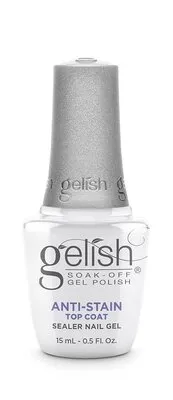
Gel top coat and base coat are made from similar light-sensitive chemistry, so they follow the same rules. Store them dark, cool and closed, and watch for thickening, separation and poor curing. Because they are used on every set, they usually turn over quickly, but a rarely used matte or specialty top coat can age on the shelf.
Other nail products have their own labels. Dip powders, acrylic powders and liquids carry their own storage and date guidance from the maker. Read the label, keep containers closed and keep them away from heat. We do not make claims about shelf life for products we have not verified, so check the manufacturer's instructions for each one.
If you stock gel for a salon, rotate your inventory. Use the oldest bottles first, write the open date on the cap or the base with a marker, and retire any bottle that looks different. Fresh stock is easy to find in gel colors and gel base and top coats.
A storage setup that works for a station or a home kit
You do not need fancy gear. You need a place that is dark, cool and closed, and a habit of using the oldest bottles first.
- Pick one closed container. A drawer, a lidded box or a closed cabinet in an air-conditioned room.
- Group by type. Base coats, top coats, colors and specialty gels in separate rows, so you grab the right bottle without leaving others open to light.
- Label the open date. A small sticker on the base of the bottle tells you what is oldest. This is your own record, not a brand claim.
- Stand bottles upright. Gel that sits on its side can seep into the cap threads and cure them shut.
- Clean the neck every time. Wipe with a lint-free wipe before closing.
- Keep a small test routine. Once a month, test your oldest bottle with a thin coat. If it cures hard, keep using it.
For techs who travel between clients, keep gel in a closed case, and keep the case with you, not in the car. See our rolling carts and cases.
Buying smart so gel does not age out
The easiest way to avoid expired gel is to buy what you will use. A home user who wears one color at a time does not need ten bottles. A tech with a steady schedule can stock more, but should still look at turnover.
- Buy the base, top and your three most-used colors first. These cycle quickly.
- Add specialty shades slowly. Cat eye, chrome-effect and glitter gels may sit longer between uses.
- Prefer a smaller bottle for shades you wear rarely. A bottle you finish is a bottle that cannot go bad.
- Do not buy from sources that store product hot. If you pick up gel from a location that leaves stock in the sun, you start at a disadvantage. Look for brands that sell sealed bottles in climate-controlled stores.
- Check the bottle when you buy it. The gel should flow normally, with no separated layers and no cured bits in the neck.
If a bottle you bought arrives damaged, separated or already unusual, tell the seller right away. A test coat is the quickest way to find out whether the issue is the gel or your lamp.
Shop what's in this guide
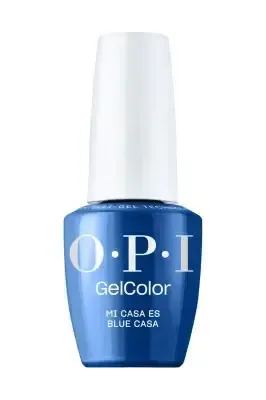
M92 - Intelli-Gel - Mi Casa Es Blue Casa
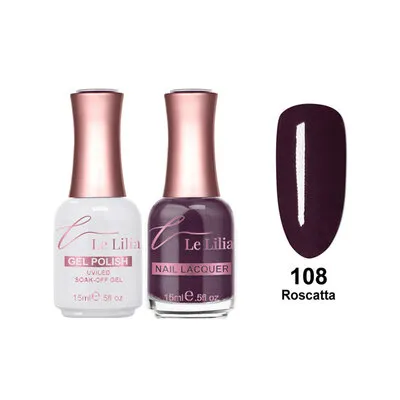
108 - Roscatta - Gel - 0.5 oz
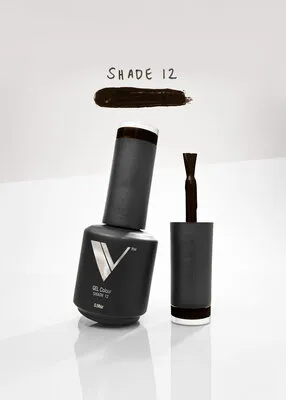
Gel Polish - Foundation Shade 12
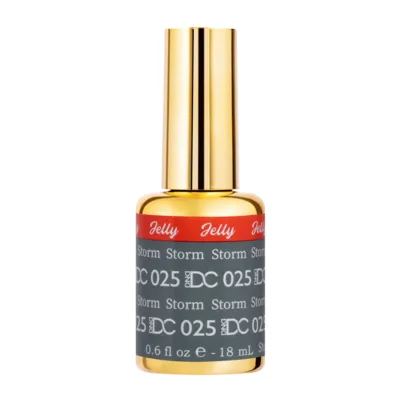
Jelly - 025 - Storm
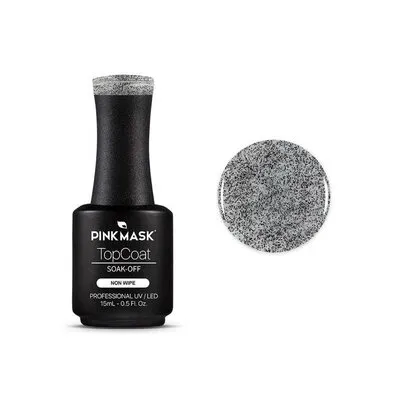
Gel Top Coat 020 - Matte Dots #2
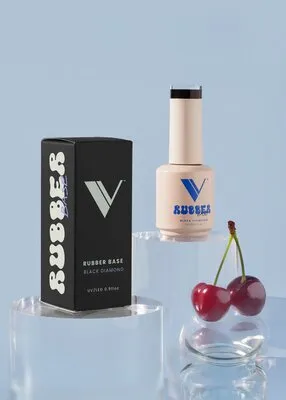
Gel - Rubber Base - Black Diamond
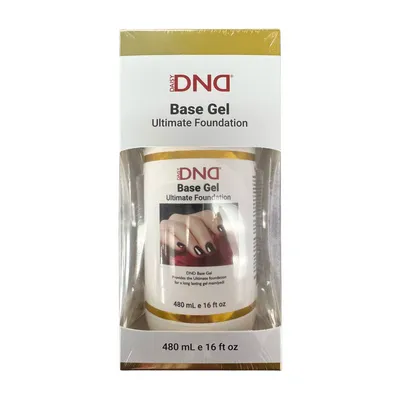
Base Gel - 8 oz