How to Use Barbicide on Nail Tools: Mixing, Soak Time and Florida Rules
Mix Barbicide 2 oz to 32 oz water, soak pre-cleaned metal tools 10 minutes, change it daily, and know what never goes in the jar. Florida rules explained.
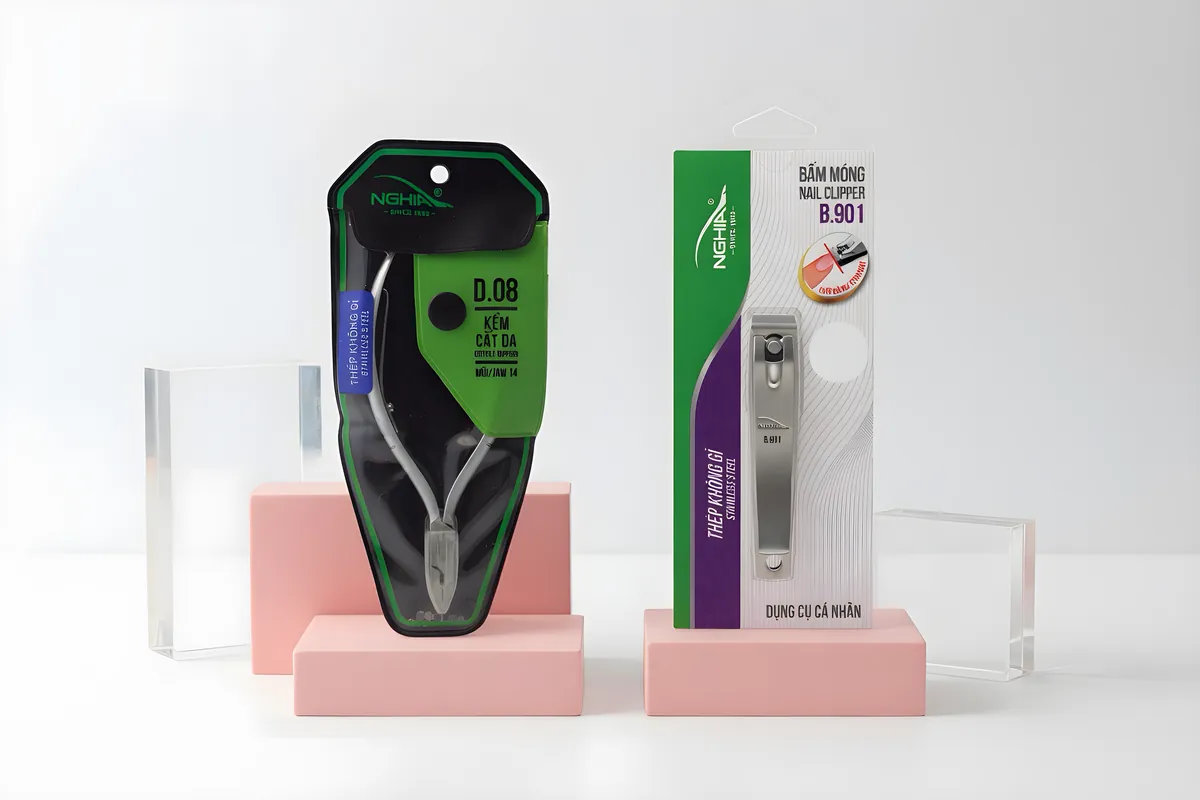
Barbicide only works on tools that were cleaned first. Wash off debris, then fully immerse non-porous metal tools in solution mixed at 2 ounces of Barbicide to 32 ounces of water for 10 minutes, rinse, dry, and make fresh solution daily or sooner if it gets diluted or soiled. Those are the directions on the EPA-stamped Barbicide label (Reg. No. 954-11).
What Barbicide is, and what Florida wants
Barbicide is a liquid concentrate sold for beauty salons and barber shops. The EPA master label (EPA Reg. No. 954-11, label dated 8/13/2021) describes it as a hospital germicide, fungicide and virucide. Its active ingredient is a quaternary ammonium compound (alkyl dimethyl benzyl ammonium chloride, 5.12 percent).
Florida's salon rule, 61G5-20.002 of the Florida Administrative Code, tells you what a disinfectant must be and how to use one:
- Each salon must have disinfecting solutions with a "hospital level disinfectant or EPA approved disinfectant."
- For combs, brushes, metallic instruments, cutting-edge instruments and implements that have not touched blood or body fluids, the label must say it is EPA-registered as a hospital-grade bacterial, virucidal and fungicidal disinfectant.
- For the same items after contact with blood or body fluids, the label must show EPA registration as a disinfectant in accordance with 29 C.F.R. 1910.1030.
- All disinfectants must be "mixed and used according to the manufacturer's directions."
- A wet disinfection container is a tub or jar with a lid, large enough for complete immersion of the items, and a cover must be provided.
So the label on your bottle is the rule. The numbers below are from the EPA master label for Barbicide. If you use a different brand, read that label and use those numbers instead.
Step 1: clean first, always
Disinfectant does not work on dirty tools. Debris, oil and product block the liquid from reaching the metal. Florida's rule puts this first: "clean articles with soap and water" before immersion. The Barbicide label says the same thing: "thoroughly clean" tools and implements prior to complete immersion.
- Scrub tools with a brush and soap and warm water. For nippers and pushers, open and close the joint while you scrub.
- Rinse and shake off the excess water.
- Remove any gel, acrylic or product residue mechanically before you go to the jar.
Step 2: mix and soak
On the EPA master label for Barbicide (8/13/2021), the directions for use say:
- Mix: to make a hospital disinfectant, mix 2 ounces of Barbicide in 32 ounces of water. That is 2 oz of concentrate to 1 quart of water.
- Tools: thoroughly clean brushes, combs, clipper blades, shears, razors and other inanimate, hard-surfaced, non-porous tools and implements, then immerse them completely for 10 minutes, or longer if required by local authorities.
- Human coronavirus: the label states 30 seconds of immersion for human coronavirus. The 10-minute time is the one for the general hospital disinfectant claim.
- Rinse and dry: rinse to remove the Barbicide after immersion, and dry before use.
How to do it right:
- Use a covered jar or tray that holds all the tools fully under the liquid. We stock Barbicide and other disinfecting jars in several sizes.
- Measure. Don't guess. A small measuring cup or the markings on the jar keep the ratio right. Too weak and it may not disinfect. Too strong wastes product and can harm metal.
- Label the jar with the date and time of mixing.
- Place tools so the joint is open (nippers and scissors open, tips under the surface).
- Set a timer for the full contact time, starting once the last tool is under the liquid.
- Remove tools with clean tongs or gloved hands, rinse, dry with a clean towel, and put them straight into a clean, closed container.
Rule 61G5-20.002(3)(e) requires articles to be stored in a clean, closed cabinet or container until used, and not kept with undisinfected items such as pens, money or paper.
How often to change it
The EPA label says fresh solution must be prepared daily, or more often if the solution becomes diluted or soiled. Treat that as the maximum, not the target. Change it sooner when:
- It looks cloudy, has floating debris or has visible residue at the bottom.
- You have added many tools in one day and it is full of rinse water.
- It has changed color or smell.
- A tool with a lot of residue has just been in it.
At a busy station that is often twice a day. Pour out the old solution, wash and rinse the jar, and mix new. Keep a date label on the jar.
What to put in the jar, and what to keep out
| Item | In the jar? | Why |
|---|---|---|
| Metal cuticle nippers, pushers, scissors | Yes, after cleaning | Non-porous metal tools. Don't leave them soaking overnight, as it can damage the metal. Oil the hinge afterward. See cuticle nipper care |
| Carbide, diamond and ceramic bits | Yes, after brushing out debris | See how to clean nail drill bits |
| Metal mandrels | Yes, with the band removed | Non-porous |
| Stainless steel tweezers, metal lash tools | Yes, after cleaning | Non-porous |
| Foam-core nail files, emery boards, buffers | No. Throw away after one client | Porous. Can't be reliably disinfected |
| Sanding bands | No. Throw away | Paper abrasive |
| Orange wood sticks, cotton, pumice stones | No. Throw away | Porous, single-use |
| Natural-hair acrylic brushes | No (generally) | Disinfectant can damage natural bristles. See acrylic and gel brush care |
| E-file handpiece and motor | Never. Wipe only | Electrical parts. Follow the manufacturer's manual |
| Lamps, tables, pedicure basins | Not in the jar | Wipe surfaces as directed. Pedicure equipment has its own Florida procedure (see below) |
The label's scope is "inanimate, hard-surfaced, non-porous" tools. Anything absorbent is outside what a jar of disinfectant can reliably handle. Florida's rule does not list disposable items by name, so ask the Board of Cosmetology if you are unsure about a specific item.
Barbicide vs alcohol vs autoclave
- Barbicide or another EPA-registered hospital-level disinfectant: the standard answer in Florida. Mix and soak per the label.
- Rubbing alcohol: Florida requires a disinfectant that is EPA-registered as hospital grade for bacteria, viruses and fungi, and the label has to say so. A bottle of rubbing alcohol from the drugstore does not carry that claim, so do not rely on it as your salon disinfectant. Alcohol-based cleansers are fine for wiping a machine handpiece, as Young Nails advises, but that is cleaning, not disinfecting tools.
- Autoclave (sterilization): destroys all microbial life and is an option for tools that tolerate it. Florida's salon rule describes approved disinfecting methods and does not require autoclaving for implements. If you choose to use one, follow the autoclave maker's instructions.
- UV cabinets: Florida's rule allows UV irradiation to store articles after they have been cleaned and disinfected. It is for storage, not for disinfecting.
Pedicure basins and blood exposure
Pedicure equipment that holds water has its own Florida procedure. After each client, clean the unit with a low-foaming soap or detergent to remove visible debris, then disinfect with an EPA-registered hospital-grade bactericidal, fungicidal, virucidal and pseudomonacidal disinfectant for at least 10 minutes. At the end of each day there are additional steps, and weekly a bleach solution of one teaspoon of 5.25 percent bleach per gallon of water is circulated. A log with the dates and times must be kept in the pedicure area and made available to a consumer or inspector on request. Read the full rule at the link below.
If a tool cuts skin, stop, glove up and treat the tool as contaminated. Florida requires a disinfectant registered in accordance with 29 C.F.R. 1910.1030 for implements that have touched blood or body fluids. Check your product's label for that claim, and use a product that has it.
Common mistakes
| Mistake | Why it fails | Fix |
|---|---|---|
| Putting dirty tools straight in the jar | Debris shields germs and uses up the disinfectant | Scrub and rinse first |
| Guessing the ratio | Too weak may not disinfect | Measure 2 oz to 32 oz water |
| Pulling tools out after a minute | The label's contact time is 10 minutes for the general claim | Set a timer |
| Leaving the same solution for days | The label says fresh daily at minimum | Date the jar and change it |
| Soaking tools overnight | Can damage metal and dull blades | Disinfect, rinse, dry, oil and store closed |
| Putting files or buffers in the jar | Porous. Can't be reliably disinfected | Use new ones per client |
| Storing disinfected tools in an open tray | Rule requires a clean, closed container | Use a lidded container |
A simple station routine
A routine takes the guesswork out of it. This layout fits a small salon or a home studio.
- Start of day: wash and rinse the jar, measure 2 ounces of Barbicide into 32 ounces of water (or the mix on your own label), and write the date and time on the jar.
- After each client: put used metal tools into a "dirty" tray. Bag and discard single-use items, such as files, bands, orangewood sticks and cotton.
- Clean: scrub and rinse each tool, with gloves on.
- Disinfect: place tools in the jar, fully under the liquid. Start the timer when the last tool goes in.
- Finish: remove, rinse as the label directs, dry and move to a clean, closed container.
- End of day: discard the solution if it is older than the label allows or looks cloudy, rinse the jar and leave it dry and upside down.
Own enough tools to rotate through this cycle without rushing the contact time. We stock disinfectant jars and storage containers for exactly this routine.
Shop what's in this guide
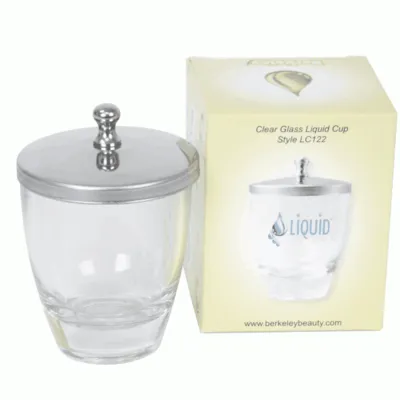
Glass - Liquid Cup With Stainless Steel Lid - Clear - LC122
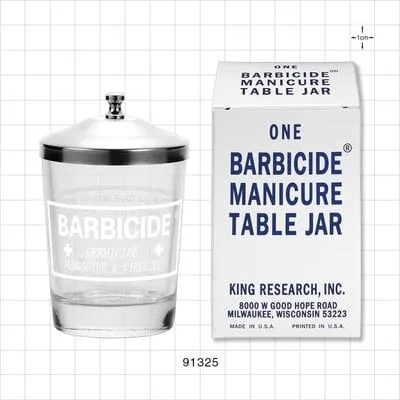
Manicure Table Jar - Small
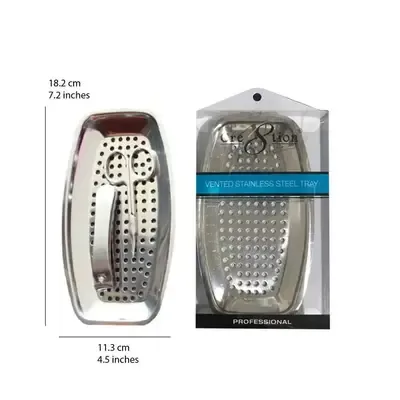
Vented Stainless Steel Tray - Large
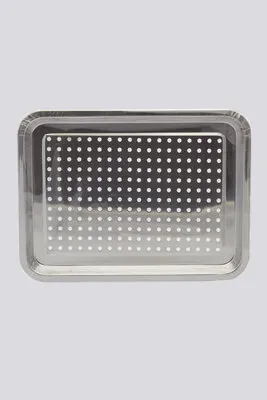
Sterilizer Utility Tray - 14"x10.5" - Stainless Steel
Double Walled Jar - Small - 25 ml .85 oz - FSC363
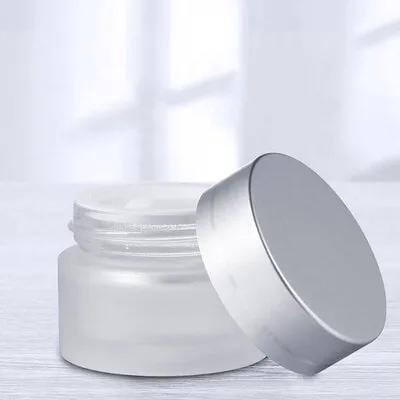
Glass Jar W/ Silver Lid - 1.3 oz
Empty Nail Tip Box - Purple