Doing Acrylic Nails in Florida Heat and Humidity: Set Time, Lifting and Storage
Heat speeds acrylic setting and moisture hurts the bond. Learn how to set up your table, prep, store product and pick a slower set in Florida weather.
In South Florida, heat is the bigger problem for acrylic: warmth speeds the set, so you get less working time. Humidity and sweat matter through moisture on the nail plate and in open containers. Work in air conditioning, prep right before the bead, do one nail at a time, keep product closed and cool, and choose a slower system rather than a wetter bead.
What Florida heat does to acrylic
Temperature is the factor that is well documented. Katie Barnes Academy explains that the powder is made with benzoyl peroxide, a starter that breaks down when exposed to heat, so warmth speeds the reaction and cold slows it. In practice that means:
- Hot room or hot hands: the bead sets faster, so you have less time to place, pat and blend it. Rushing leads to ridges, missed edges at the cuticle and mistakes in bead wetness.
- Cool room: the set slows, the liquid runs more, and beads can slide toward the skin.
Their stated settings for a regular product (about a minute and a half before it can be moved, and about four and a half minutes before filing) are a baseline. In a hot, sweaty South Florida shop or garage, expect it to run faster than that. If you find yourself finishing a nail with the bead already starting to drag, the room is the first suspect.
Because the starter breaks down with heat, it also follows that you should not leave powder or liquid in a hot car or by a sunny window. Store them cool, dry and closed.
What about humidity itself?
Be careful with anything that claims an exact humidity number for acrylic. We could not find a maker-published humidity range for acrylic liquid and powder, and humidity is much less documented than temperature. What is clear from how the product works is where moisture matters in practice:
- On the nail plate and skin. Sweaty fingers and damp nails put moisture where the bond needs a dry, clean surface. This is a prep problem, and it shows up as early lifting. See why acrylics lift.
- In open containers. Containers left open in a humid room collect moisture and dust. NIOSH advises keeping chemical containers closed. Closed jars of powder and bottles of liquid stay cleaner.
- On the client. Heat and humidity mean more sweat, more time in water (pools, beaches), and more oily skin, all of which stress an acrylic set over the following weeks.
Treat humidity as a prep and storage problem and heat as a timing problem.
Set up the work area for a hot, humid day
| Do this | Why |
|---|---|
| Work in air conditioning, and keep the table out of direct sun | A cooler room slows the set and gives you more working time |
| Wash and fully dry hands, wipe sweat, then prep right before you start | Moisture and oil on the plate cause early lifting |
| Dehydrate and prime just before the bead, and don't touch the nail afterward | Oil returns quickly on warm skin. See primer vs dehydrator vs bond |
| Pour a small amount of monomer and cover the dish | Less evaporation, less contamination |
| Do one nail at a time | Beads set faster in heat. Don't pre-load several. |
| Keep powder and liquid closed between uses | Keeps moisture and dust out, in line with NIOSH advice |
| Ventilate | Florida Rule 61G5-20.002 requires a separate, adequately ventilated area for nail extensions |
Slow-setting products and the bead
Educators describe fast-setting acrylics as having more starter (initiators or catalysts) and say that you should not make a bead wetter to slow them down. Katie Barnes Academy also notes that in warm conditions a little more liquid slows rapid polymerisation, but that fix has costs: a wetter bead floods the skin, shrinks more as it sets and is more likely to lift. The better solution in a hot room is a slower-setting system and a cooler room, not a runnier bead.
When you shop, ask which powder and liquid combination is the slower option from that brand, and test it in your own room. We do not tell you a specific product is slow-setting unless the maker says so. Check the maker's description or ask the supplier. The Studio carries acrylic powders and monomers from Young Nails, Mia Secret, Tammy Taylor, V Beauty Pure and its own line, and the store team can talk through the options.
For the full bead rules, read acrylic bead consistency.
A hot-weather routine, step by step
- Cool the space first. Run the air conditioning before the client sits down so the table, product and your hands are not already hot.
- Dry hands. Have the client wash, rinse and dry thoroughly, then wait a minute so the nails are dry to the touch, not just the skin.
- Prep, one hand at a time. Clear the dead skin film, scuff the shine, brush off the dust. Do the second hand only after you finish the first, so the prepped nails are not sitting and collecting oil.
- Dehydrate and prime the nail you are about to build, not all ten at once.
- Pick up a bead only when you are ready to place it. Blot, roll in the powder, and place within seconds. Do not carry a loaded brush around.
- Place the cuticle bead early. In heat, the cuticle zone is where a rushed bead causes the worst problems. Do it with a fresh, small bead rather than leaving it to the end.
- Cover the dish and wipe the brush after each nail. This also keeps the brush from loading with half-set product (see how to clean an acrylic brush).
- File after full set. Tap the nail lightly with the back of the brush and listen for a firm click before you file. Filing a bead that has not fully set drags and ruins the shape, and in heat it is tempting to start early because everything feels faster. Wait for the click, then file.
If your hands run hot, rinse them under cool water and dry them before starting each hand. It sounds small, but warm hands warm the brush and the bead.
For salon owners: the whole-shop view
Heat and humidity are a shop-level problem, not just a technique one. A few decisions pay off across every table:
- Air conditioning that holds a steady temperature. A table near a door or a window that bakes in the afternoon sun will behave differently from the table in the middle of the shop. Move the acrylic station to the coolest, most stable spot.
- Ventilation. Rule 61G5-20.002 requires nail extension work in a separate area that is adequately ventilated for the safe dispersion of all fumes. NIOSH recommends local exhaust (portable units or downdraft tables) and general ventilation. A cool, ventilated station serves both safety and product behavior.
- Storage. A cabinet in the cool part of the shop for backstock, away from sun and heat sources. Keep jars closed.
- Standard dispensing. Use small, covered dishes and discard leftover liquid at the end of the day.
- A shared note for bad days. If every tech reports faster sets on the same afternoon, you have a room problem, not a tech problem. Fix the room.
Stock a slower-setting option for the hottest months and ask your supplier or the store team which of your current powders and liquids are designed to give more working time. Checking the maker's description is better than guessing from a product name.
Heat and humidity troubleshooting
| Problem in summer | Likely cause | Fix |
|---|---|---|
| Bead starts to set before you place it | Hot room, hot hands, fast-setting product | Cool the room, work on one nail at a time, consider a slower product |
| Lifting within days | Sweat or oil on the plate, rushed prep | Dry and prep right before the bead, use dehydrator and primer |
| Rough, dragging surface | Overworking a bead that is already setting | Place once and leave it, then fix in the file |
| Bubbles | Fast set traps air | See acrylic bubbles |
| Product runs toward the cuticle | Too wet or too slow for a cold room | Blot the brush longer |
| Sticky or inconsistent powder | Powder jar left open | Keep closed, pour a little into a dish for the set |
Advice for the client in a South Florida summer
- Gloves for dishes and cleaning. Long, hot soaks are hard on any acrylic.
- Dry nails after pool or beach time. Pat the nails dry and oil the cuticles.
- Don't pick at lifted corners. If a nail lifts in the heat, book a repair rather than pulling it off.
- Keep fills on time. Growth moves the balance point, and a top-heavy nail breaks sooner. See how to do an acrylic fill.
- See a professional for discoloration. Color change, buildup or a brittle nail under a lift needs a dermatologist, not more product.
If you are a student or home user, treat the set as a skill you improve each time. The first hot-weather set teaches you more than any article, as long as you note what you changed. Start with the acrylic nails guide for the baseline routine.
Shop what's in this guide
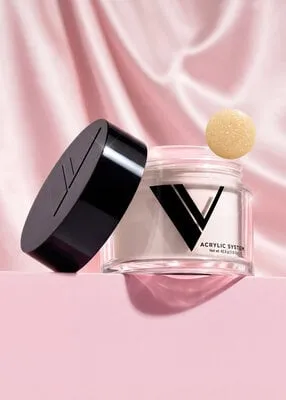
Cover - Forever-ish - 1.5 oz
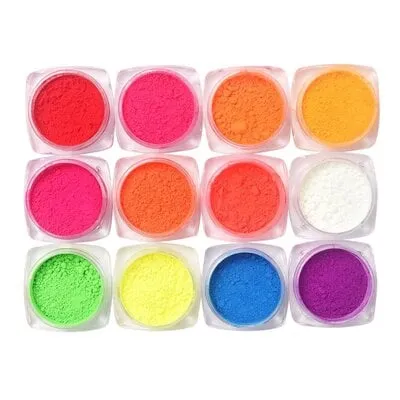
Pigment Powders #1 - 12 ct
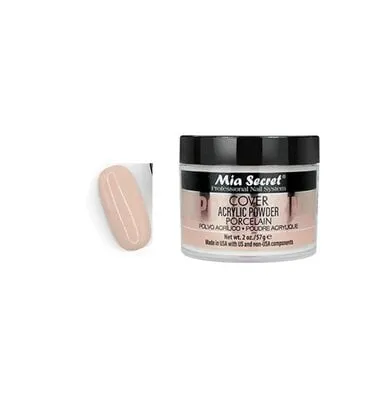
Acrylic Powder - Porcelain - 2.0 oz
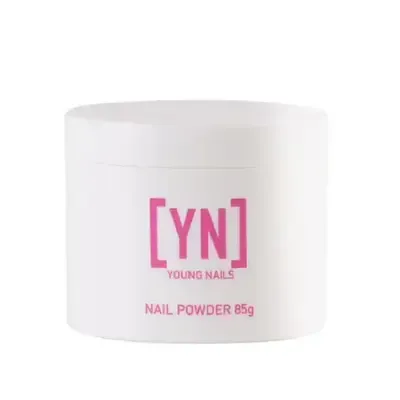
Acrylic Powder - Speed White
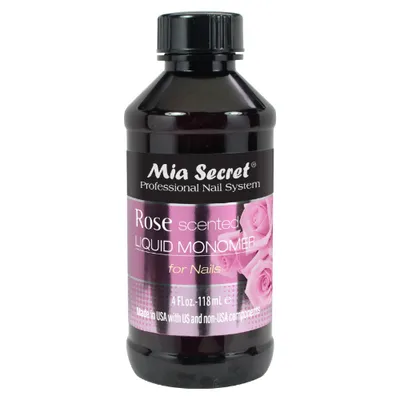
Liquid Monomer - Rose - 4 oz
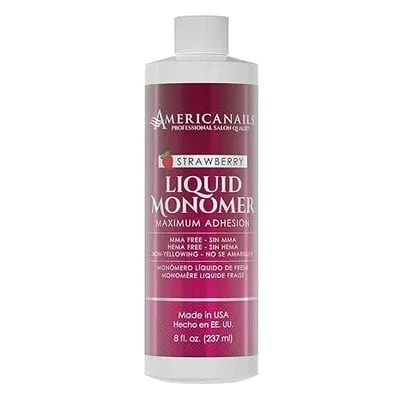
American Nails - Liquid Monomer - Strawberry - 8 oz
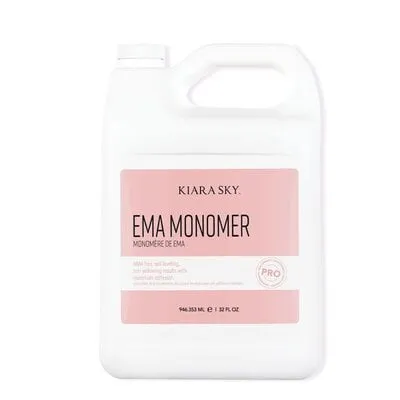
EMA Monomer - 32 oz