Gel, Acrylic or Dip Nails While Pregnant: What Is Actually Known
What the evidence says about nail services in pregnancy for clients and nail techs, what is unknown, and how to lower exposure. Ask your doctor.
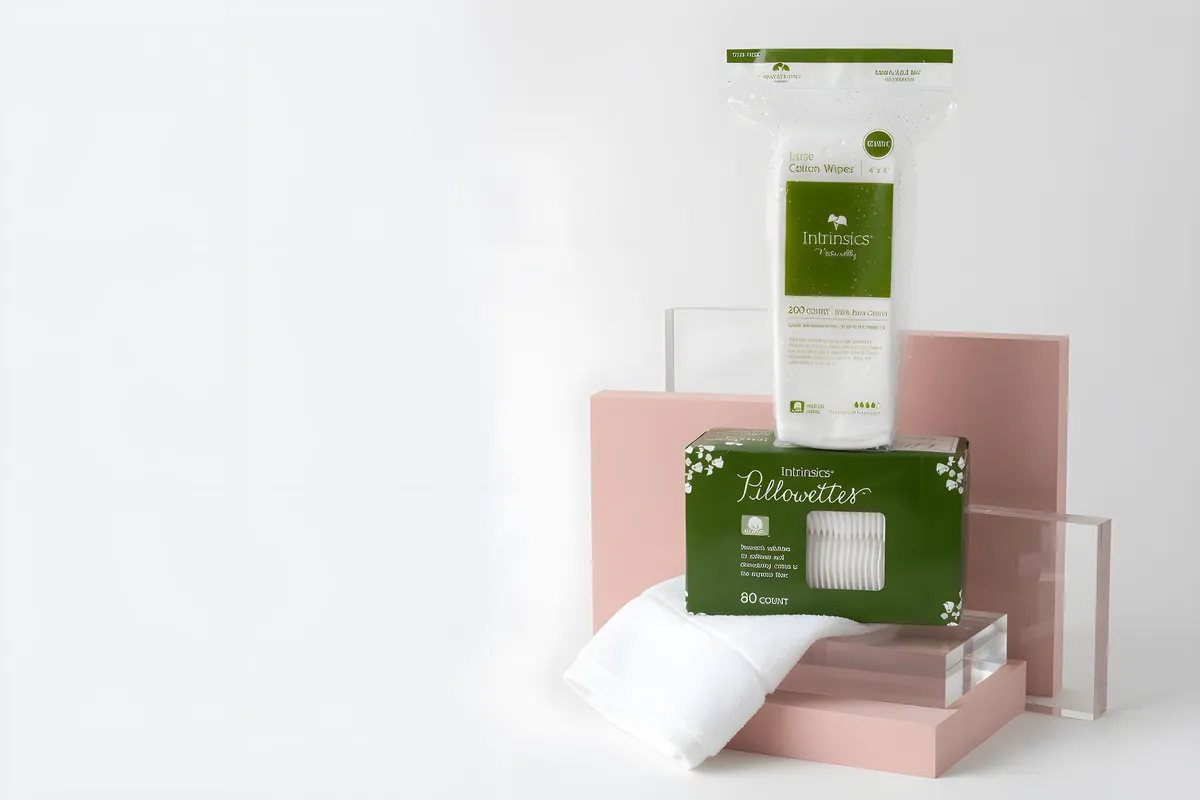
No source we reviewed shows that an occasional salon manicure harms a pregnancy, and none proves it is safe either. The research that exists is about nail technicians who work with these chemicals for years: one NIOSH study found an association with certain birth defects but could not say which chemical or task is responsible. Ask your own doctor, and if you do get nails done, pick a well-ventilated salon and keep product off your skin.
The honest answer
People searching this want a yes or no. The evidence does not give one, and anyone who gives you a flat yes or no is going beyond the research. Here is what we can say from the sources we read:
- We did not find a study showing that getting an occasional manicure as a client harms a pregnancy.
- We also did not find a study proving that it is safe.
- The best research concerns workers, who breathe salon air for hours a day. Those findings do not directly apply to a client who spends an hour in a chair every few weeks.
This article is general information, not medical advice. Please talk to your obstetrician, midwife or occupational health provider about your own situation, especially if you are a nail tech or have a high-risk pregnancy.
If you feel dizzy, sick, get a headache or have trouble breathing at the salon, leave and get fresh air. OSHA notes that symptoms such as these can appear when chemical exposure is high.
What the NIOSH study found, and what it did not
The CDC's National Institute for Occupational Safety and Health (NIOSH) analysed data from the National Birth Defects Prevention Study, which covers births from 1997 to 2011. Researchers looked at mothers' jobs from one month before conception through the third month of pregnancy. They found that mothers of infants with a congenital heart defect were roughly three times as likely as mothers of infants with no birth defect to have worked as nail technicians during early pregnancy. The study also found a link between hairdressers and cleft lip with cleft palate.
Now the limits, which NIOSH states itself:
- The sample was small. Only 61 mothers worked only as nail technicians and 39 worked as both nail technicians and hairdressers, out of 43,106 working mothers.
- The study did not identify which tasks, workplace practices or chemicals might be responsible.
- An association is not proof of cause. The study did not show that nail work caused the defects.
- NIOSH writes that studies of reproductive effects in this worker group are limited, and none had examined birth defects before.
NIOSH's recommendation is more research, and for employers, health care providers and workers to raise awareness of reproductive hazards and reduce exposures through the hierarchy of controls.
Chemicals that agencies flag for pregnancy
OSHA's list of chemicals in nail salon products includes notes about pregnancy for two of them:
| Chemical (found in) | OSHA's note |
|---|---|
| Toluene (some nail polish, fingernail glue) | Dry or cracked skin, headaches, dizziness and numbness, irritated eyes, nose, throat and lungs, damage to liver and kidneys, and harm to unborn children during pregnancy |
| Ethyl methacrylate, EMA (artificial nail liquid) | Asthma, irritated eyes, skin, nose and mouth, difficulty concentrating. "Exposures while pregnant may affect your child." |
For acetone, ATSDR says most long-term research is in animals. Those studies reported kidney, liver and nerve damage, birth defects and male infertility. ATSDR says it is not known whether long-term exposure affects people the same way. Salon exposure is usually much lower than the levels in those studies, and we do not have a number to give you.
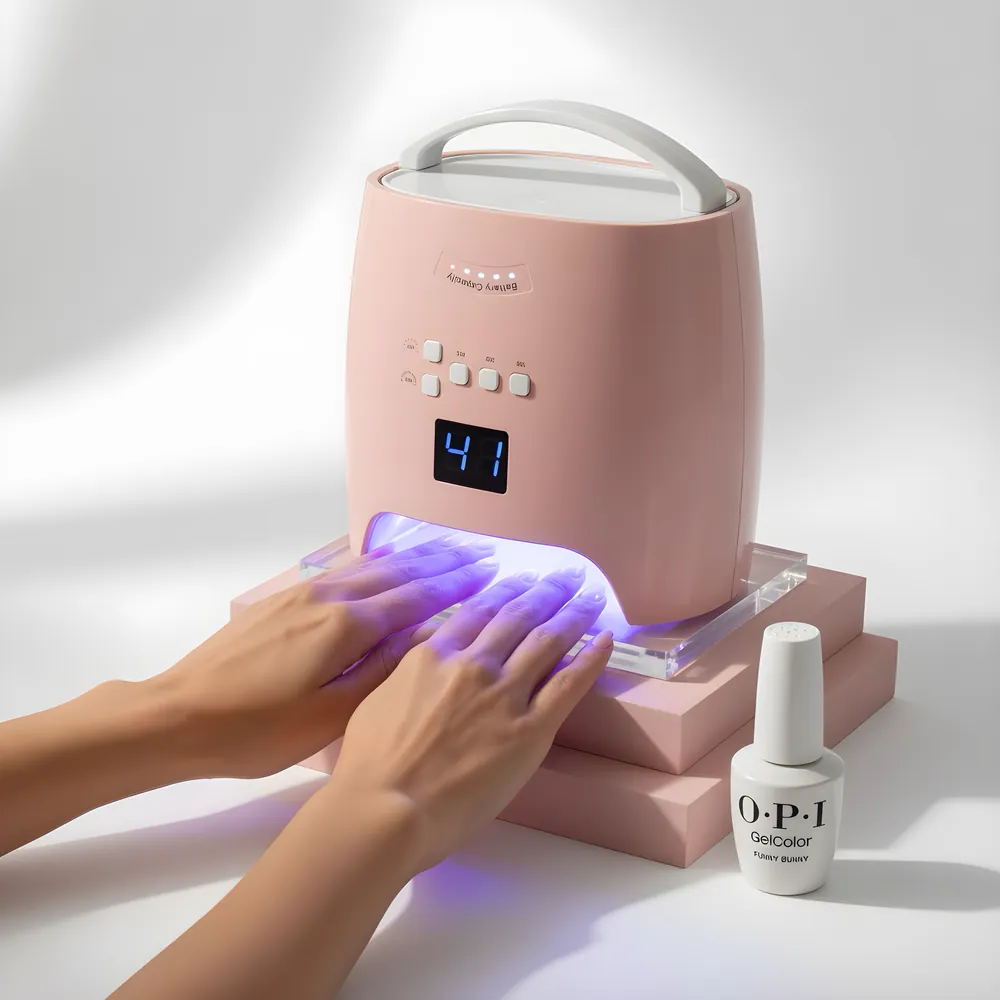
The UV lamp question is separate. A 2023 lab study found DNA damage in cultured cells exposed to nail lamp light, and its authors say it does not directly show increased cancer risk in people. We found no pregnancy-specific research on lamps. See our UV lamp guide.
If you are a client: ways to lower exposure
None of these steps is proven to make a salon visit risk-free. They lower your contact with chemicals, which is the approach agencies recommend. Check with your doctor first.
- Choose a well-ventilated salon. Look for ventilated tables or dust collectors at the stations, open doors or windows, and no strong chemical smell. Florida's Rule 61G5-20.002 requires salons to be well ventilated and nail extension services to be done in a separate, adequately ventilated area.
- Keep visits short and do not stack services if you can. Less time in the room means less breathing of vapors. This is common-sense exposure reduction, not a tested rule.
- Ask the tech to keep product off your skin. Contact with uncured gel and acrylic is the main route for allergy.
- Consider fewer or lighter services. Regular lacquer polish avoids UV lamps and acrylate gels. It is not chemical-free: OSHA lists toluene, formaldehyde and dibutyl phthalate, the so-called toxic trio, in some polishes, and says "3-free" products exist.
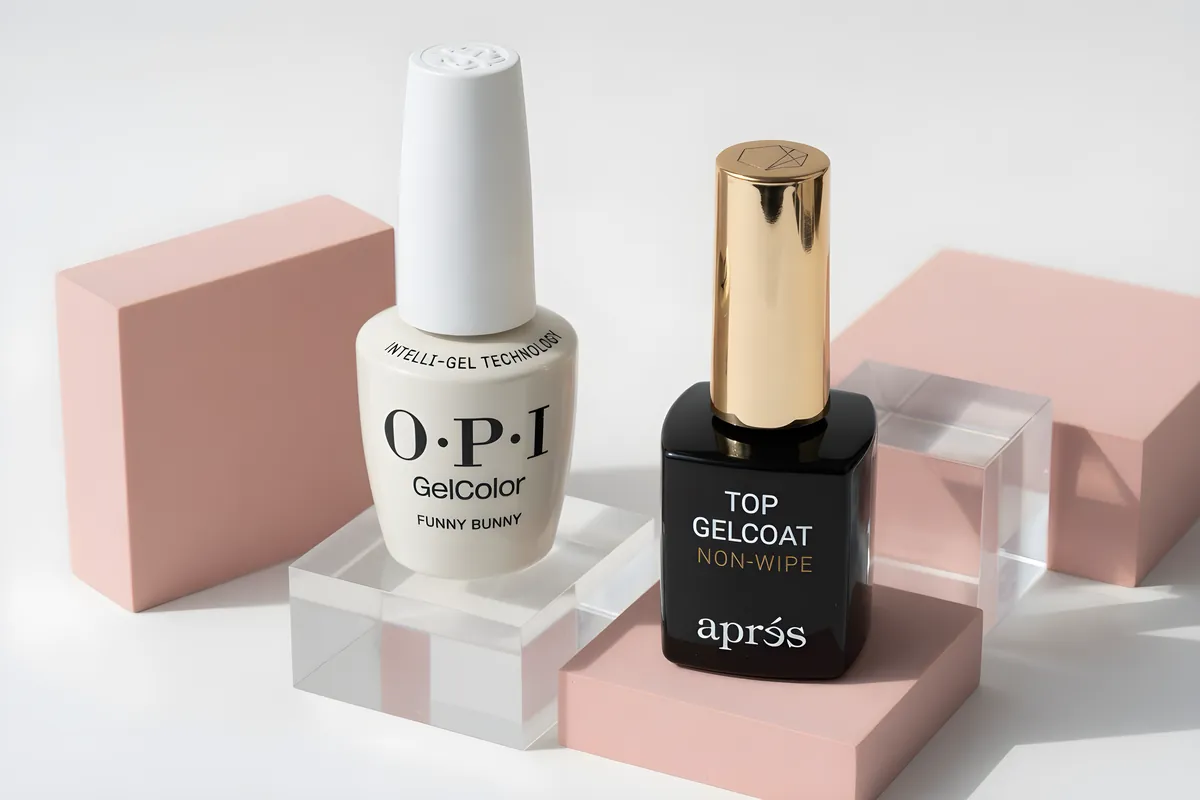
- Do not rely on a label alone. "HEMA-free" and "TPO-free" labels tell you about those two ingredients. We found no source saying they make a product pregnancy-safe. Read our guides on HEMA-free and TPO.
- Tell your doctor which services you get, how often, and any symptoms.
Service by service: what the sources flag
This table lists what OSHA, ATSDR and the FDA flag for each kind of service. It does not rank them by safety, because we found no pregnancy study that compares them.
| Service | Exposures the sources flag | Note |
|---|---|---|
| Gel polish | Uncured acrylates on skin (allergy); UV lamp light; acetone for removal | Lamp study is lab-only; acetone effects at long-term exposure are mainly from animal studies |
| Acrylic (liquid and powder) | Ethyl methacrylate vapor (OSHA notes exposures while pregnant may affect your child); methacrylic acid in some primers (skin burns and irritation) | Methyl methacrylate is banned for use in many states, per OSHA, and the FDA took 100% MMA monomer products off the market in the 1970s |
| Regular polish | Toluene, formaldehyde and dibutyl phthalate in some products | Some products are labeled 3-free, but OSHA notes some products labeled free of them tested positive in a California study |
| Removal with acetone | Acetone vapor and skin contact | Open the room and keep the bottle closed |
Timing matters in the NIOSH data too: the mothers' jobs were examined from one month before conception through the third month of pregnancy, so the early weeks are where the researchers looked. That is another reason to talk to your doctor about timing as well as products.
If you are a nail tech: controls that matter most
NIOSH and OSHA focus on reducing exposure at work. Their recommendations are the practical answer for a pregnant tech, together with advice from your own doctor:
- Ventilation first. Use ventilated tables or portable dust collectors at the station, plus general room ventilation. NIOSH lab tests indicate exhaust systems may reduce chemical exposure by at least 50%. See dust collectors and our ventilation guide.
- Keep containers closed and use pressure-sensitive dispenser bottles with small openings, as NIOSH recommends.
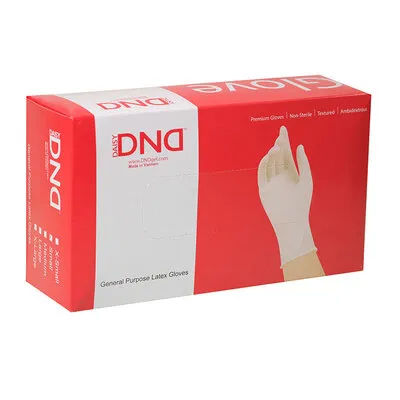
- Protect your skin. Wear gloves, change them often, and keep product off skin. See nitrile vs latex gloves.
- Use the right respirator for the task. An N95 filters dust but not vapors, according to OSHA. Surgical masks do not protect against vapors or dust.
- Tell your doctor what you do and what you use. OSHA tells workers to make sure their health care provider knows what chemicals they work with, and to say if they are pregnant or planning to be.
- Know your products. Ask your employer or supplier for safety data sheets, and look at the reproductive hazards in them.
- Ask about task changes. If you work with EMA liquids or other chemicals flagged for pregnancy, ask your employer and doctor whether you can limit those tasks.
How to read claims you see online
Pregnancy and nails is a topic where confident claims travel faster than evidence. Use these checks before you believe or repeat something:
- Who is the study about? Research on salon workers does not automatically describe clients, and lab studies on cells do not automatically describe people.
- Is it an association or a cause? The NIOSH study found an association and said it could not identify the cause.
- How big was the sample? Small groups produce shaky numbers. Look for the count before the headline.
- Is "free of" the same as "safe"? No. A label like "HEMA-free", "3-free" or "non-toxic" says what was left out. OSHA says to read labels and safety data sheets even for products labeled free of hazardous chemicals.
- Does the source say what it is for? Agencies such as NIOSH, OSHA and ATSDR publish what is known and what is not. Be wary of anyone who sells a product and also sells certainty.
When a source cannot tell you what is known and what is not, ask your doctor.
Questions to ask your doctor
- I get nails done every few weeks (or work in a salon). What products and tasks should I limit?
- Should I avoid UV lamps, acrylic liquid, nail primers or glues during pregnancy?
- I have symptoms (headache, dizziness, rash). Could they be related to the salon?
- Do I need an allergy check before using gel again after pregnancy?
- If I work in a salon, should I ask my employer for task changes or a letter?
Bring a list of the products, their labels or safety data sheets, and how many hours you spend with them. Your doctor can use that to give advice that fits your pregnancy, which no article can do.
Shop what's in this guide
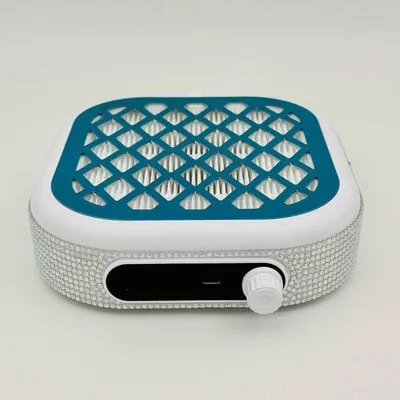
NAD - Nail Dust Collector - 30W - White AB Rhinestone
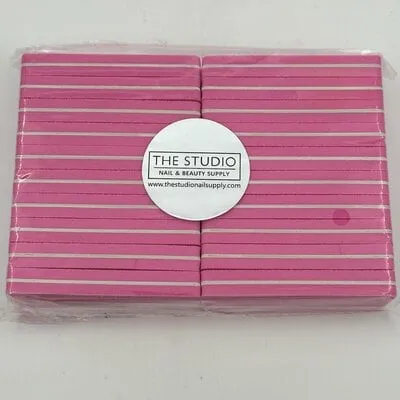
Small File Buffer - 100/180 - Pink - 20 ct
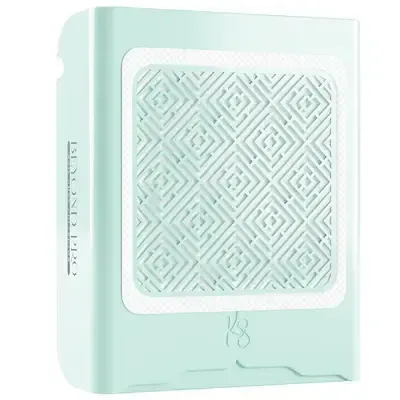 Sale
Beyond Pro Nail Dust Collector - Teal
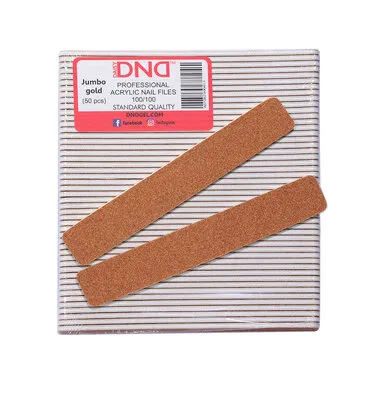
Nail Files - Rectangle - 100/100 - Jumbo Gold - 50 count
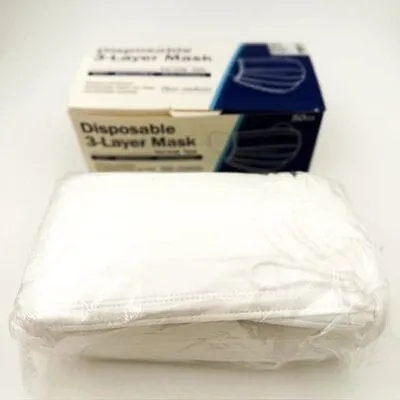
Face Mask - Disposable - White 3 Layer - 50 count
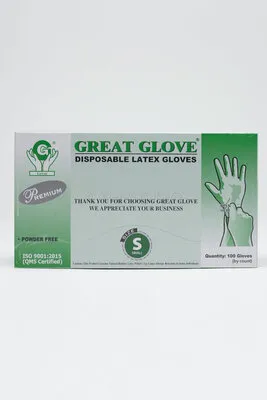
Latex Gloves

DL - UV Protective Gloves C309