Is TPO Banned? The EU Gel Polish Ban Explained for US Nail Techs
The EU banned TPO in gel nail products on 1 September 2025. Here is what that means, what the US rules say, and how to check your labels.
Gel polish is not banned in Europe, but one ingredient in many gels, TPO (trimethylbenzoyl diphenylphosphine oxide), has been prohibited in all EU cosmetics since 1 September 2025, with no sell-off period. TPO is still allowed in the United States. We found no FDA rule banning it in nail products, so US techs can legally use it, but many are choosing TPO-free gels anyway.
What is actually banned in the EU
Headlines said Europe banned gel nail polish. That is not what happened. The EU banned a single ingredient: TPO, trimethylbenzoyl diphenylphosphine oxide. It is a photoinitiator, the chemical that starts the hardening reaction when UV or LED light hits a gel. Many gels, builder gels and hybrid polishes use it, which is why the ban reached so many products.
According to Ireland's medicines and cosmetics regulator, the HPRA, the ban took effect on 1 September 2025. TPO was added to Annex II of the EU Cosmetics Regulation, the list of prohibited cosmetic ingredients, through Regulation (EU) 2025/877. Before that, TPO was allowed in professional nail products only.
Gels made without TPO are still legal and sold in the EU. Many brands already offered TPO-free lines.
Why TPO was banned
The ban follows a hazard classification, not a salon incident report. The Commission's Delegated Regulation (EU) 2024/197 classified TPO as a CMR category 1B substance under the CLP Regulation. CMR stands for carcinogenic, mutagenic or toxic to reproduction. Category 1B means the substance is presumed to have such an effect based on animal evidence. For TPO, the concern is toxicity to reproduction. HPRA says the classification means TPO is possibly carcinogenic, mutagenic or toxic to reproduction and that further research is needed to confirm those effects.
Under EU cosmetics law, once a substance is classified CMR 1B, it is automatically placed on the prohibited list unless a company requests an exemption and the safety committee supports it. The Commission's questions and answers document says no derogation request was submitted, so the ban applies without exceptions.
Here is the part that surprises people: before the classification, the EU's own safety committee (SCCS) had judged TPO safe at up to 5.0% in professional nail modelling products, in 2014. The Commission says those older opinions are no longer valid now that TPO has the new classification. Concerns raised by Swedish authorities in 2020 led to the reclassification, according to HPRA.
A hazard classification says what a substance can do at some dose. It does not say that a salon client who had gels with TPO was harmed. If a client asks, say that plainly and offer a TPO-free option.
How we got here: a short timeline
| When | What happened |
|---|---|
| 2014 | The EU safety committee (SCCS) judged TPO safe at up to 5.0% in professional nail modelling products |
| 2020 | Swedish authorities raised new concerns about TPO, according to HPRA |
| Delegated Regulation (EU) 2024/197 | TPO classified as CMR category 1B under the CLP Regulation |
| 7 August 2025 | European Commission publishes its questions and answers on the ban |
| 1 September 2025 | TPO prohibited in all EU cosmetics, professional use included, with no sell-through period |
Watch the wording in news stories. Some outlets said the EU "classified TPO as a carcinogen" or "banned gel polish". Neither is what the regulatory documents say. The documents describe a reproductive-toxicity classification and a ban on one ingredient.
How strict the EU ban is
The Commission's Q&A, published on 7 August 2025, is blunt about the scope:
- Placing on the market and making available TPO-containing products are both prohibited from 1 September 2025.
- That includes continued supply and distribution, and professional use by nail technicians and salons.
- There is no transition or sell-through period. The Commission says businesses must withdraw existing stock and stop professional use, and that it is legally bound to apply the prohibition as adopted.
HPRA's advice to salon owners was to check ingredient lists of UV-cured gels and hybrid polishes for TPO, stop using affected products after 1 September, dispose of them, and confirm with suppliers that future stock is TPO-free.
| Question | European Union | United States |
|---|---|---|
| Is TPO prohibited in nail gels? | Yes, since 1 September 2025 (Regulation (EU) 2025/877) | We found no FDA ban on TPO in nail products |
| Can salons use up old stock? | No sell-through period | Not applicable |
| Are TPO-free gels allowed? | Yes | Yes |
| Who sets salon rules? | EU Cosmetics Regulation | FDA regulates the products as cosmetics; Florida regulates salons (Chapter 477, F.S.) |
What this means in the US
The FDA's page on nail care products does not mention TPO and does not list it as a prohibited ingredient. The FDA explains that nail products are generally regulated as cosmetics, that cosmetics do not need FDA approval before they go on sale (except most color additives), and that they must be safe when used according to the label. It also requires warning statements when needed to prevent a health hazard and ingredient lists on retail products, even those labeled "for professional use only".
Put simply: as far as we could verify, TPO remains legal in US nail gels. Regulations can change, so check the FDA's cosmetics pages before you make business decisions based on this article. The FDA also says that state and local authorities regulate salon operations and license nail techs, so Florida's rules apply to your salon, not Brussels'.
Why do US techs care about an EU rule? Three reasons: clients travel and read the news, brands that sell in both markets reformulate to one standard, and TPO is also a known allergen. The Danish Consumer Council tested 70 gel polishes and found TPO in 15 of them, calling it a photoinitiator suspected of harming fertility and also allergenic.
How to check a gel for TPO
- Read the ingredient list. Look for "Trimethylbenzoyl Diphenylphosphine Oxide" or "TPO". If there is no ingredient list, do not use the product. The FDA says retail cosmetics must list ingredients.
- Check the safety data sheet (SDS). OSHA's Hazard Communication Standard requires manufacturers to give salon owners an SDS for hazardous products. Ask your supplier for the SDS of each gel and compare it with the label.
- Do not rely on front-of-bottle claims alone. The Danish report found labeling errors or missing ingredient lists in 15 of the 70 products it tested, mostly cheap online buys. OSHA makes a similar point about "free of" claims on toxic-trio products: read the label and SDS anyway.
- Buy from a supplier who knows the lines. Ask the store which of their gels are TPO-free and request the ingredient list.
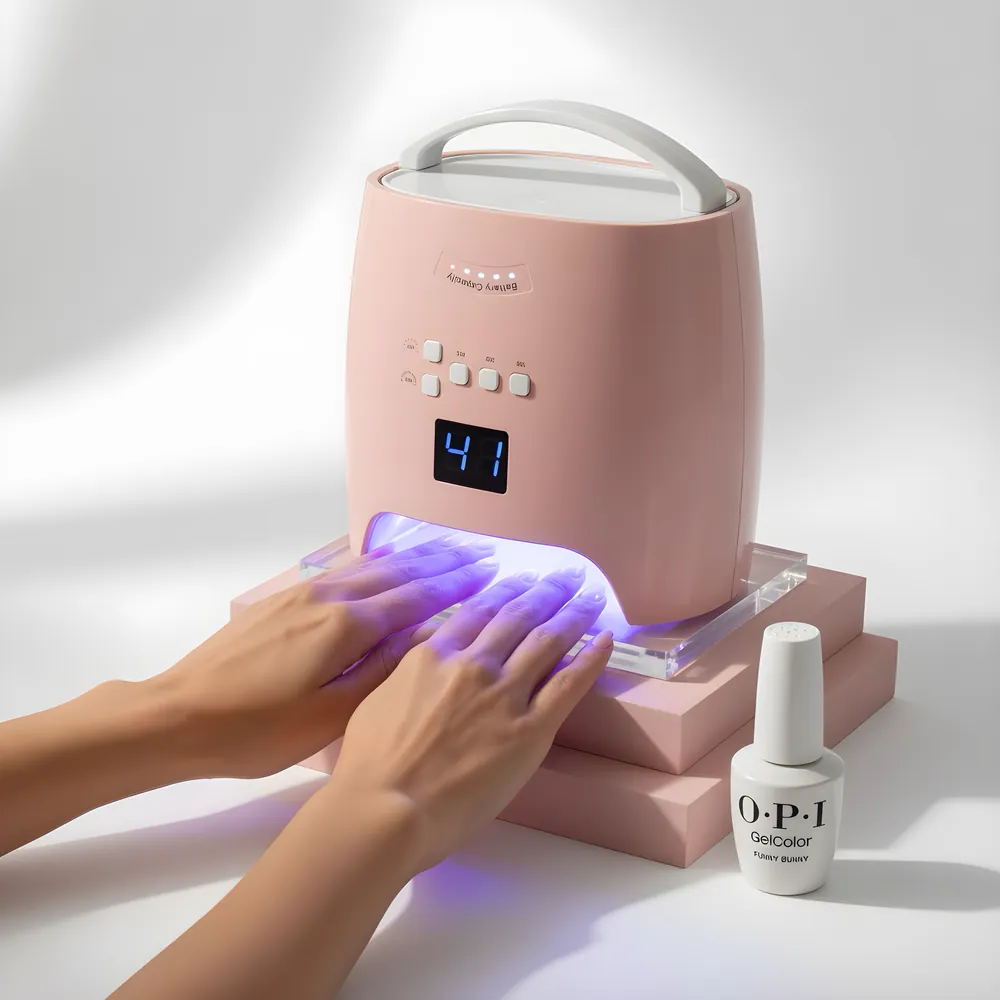
- Check lamp guidance from the maker. Gels cure by wavelength and power. If you switch to a TPO-free system, follow the manufacturer's recommended lamp and cure time rather than assuming your old settings work.
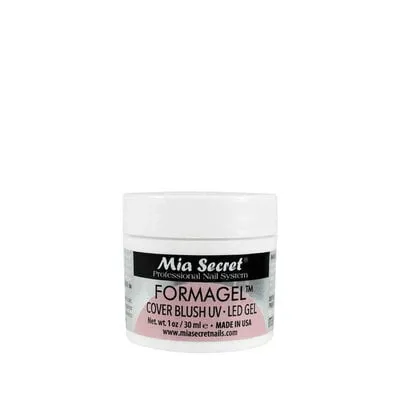
Many brands that The Studio carries label lines as HEMA and TPO free, including DND TPO HEMA FREE and Apres soft builder gels. OPI also has builder gels labeled HEMA TPO free in the catalog. Treat the label as a starting point and check the ingredient list.
Common questions techs hear, answered straight
"My gel contains TPO, so it will hurt my client." The classification is about hazard. Nothing in the sources we read shows harm to clients from regular salon use. It does mean regulators decided the risk was not acceptable for a substance with that classification, and the older safety opinion no longer stands.
"The ban means all UV gels are illegal in Europe." No. Only TPO-containing products are affected. HPRA notes TPO was one of the photoinitiators used in UV gels and hybrid polishes, and TPO-free products remain on sale.
"If it is legal in the US, I do not need to think about it." That is your call. Legal means you may use it. Many techs prefer to remove a flagged ingredient from daily exposure, especially when they work eight to ten hours a day. If you do switch, test the new system on a few clients first, check that the lamp and cure times fit, and keep the same careful habits around skin contact.
"A TPO-free label means I can skip gloves." No. Uncured acrylate monomers are the main skin-contact problem, and they are in TPO-free gels too.
TPO-free is not the same as HEMA-free, and neither is allergy-proof
HEMA and TPO are different chemicals with different jobs. HEMA is a methacrylate monomer, part of the gel's liquid resin. TPO is the photoinitiator that triggers the cure. A gel can have one, both or neither.
That matters for allergy. Dermatologists link nail product allergy mainly to acrylates such as HEMA, and a Danish Consumer Council report concluded that no UV-cured gel polish can be assumed free of allergy risk, because other acrylates remain. Our full guide to HEMA allergy symptoms and what HEMA-free means explains the difference. Whatever system you choose, the basic habit does most of the work: keep uncured gel off skin, cure fully, and wear nitrile gloves.
A simple decision guide
- You work with clients who ask about the ban. Have an answer ready: "It is banned in the EU since September 2025. It is still legal here. I can use a TPO-free system if you prefer."
- You are buying a new system. Pick a line that prints the full ingredient list and states TPO-free on the product page. Compare cure time and lamp requirements.
- You are pregnant or planning to be. Talk to your doctor about all nail products, not just TPO. See what is known about nails during pregnancy.
- You have a known allergy. Ask your dermatologist for your allergen list and check every product against it.
- You sell to clients in the EU or ship there. Do not ship TPO products to EU customers. The ban covers making them available on the market.
Shop what's in this guide
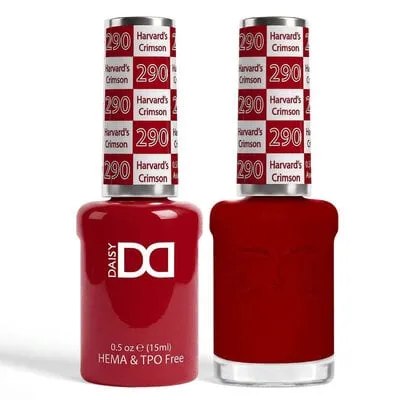
290 - Harvard’s Crimson - Duo Polish
Enigmatic Gel Couleur - J23 Superstitious
P38 - Intelli-Gel - My Solar Clock Is Ticking
SO 348 - Berry Spell - .6 oz
Builder Gel in a Pot - Wedding Day
Hard Builder Gel - Pink - 2 oz
Hema Free Hard Builder Gel - HG01 Clear - 30ml