Gel Nail Allergy (HEMA): Signs, Causes, and What HEMA-Free Really Means
How to recognize a gel nail allergy, why it happens, what a patch test is, and what HEMA-free does and does not protect you from. With sources.
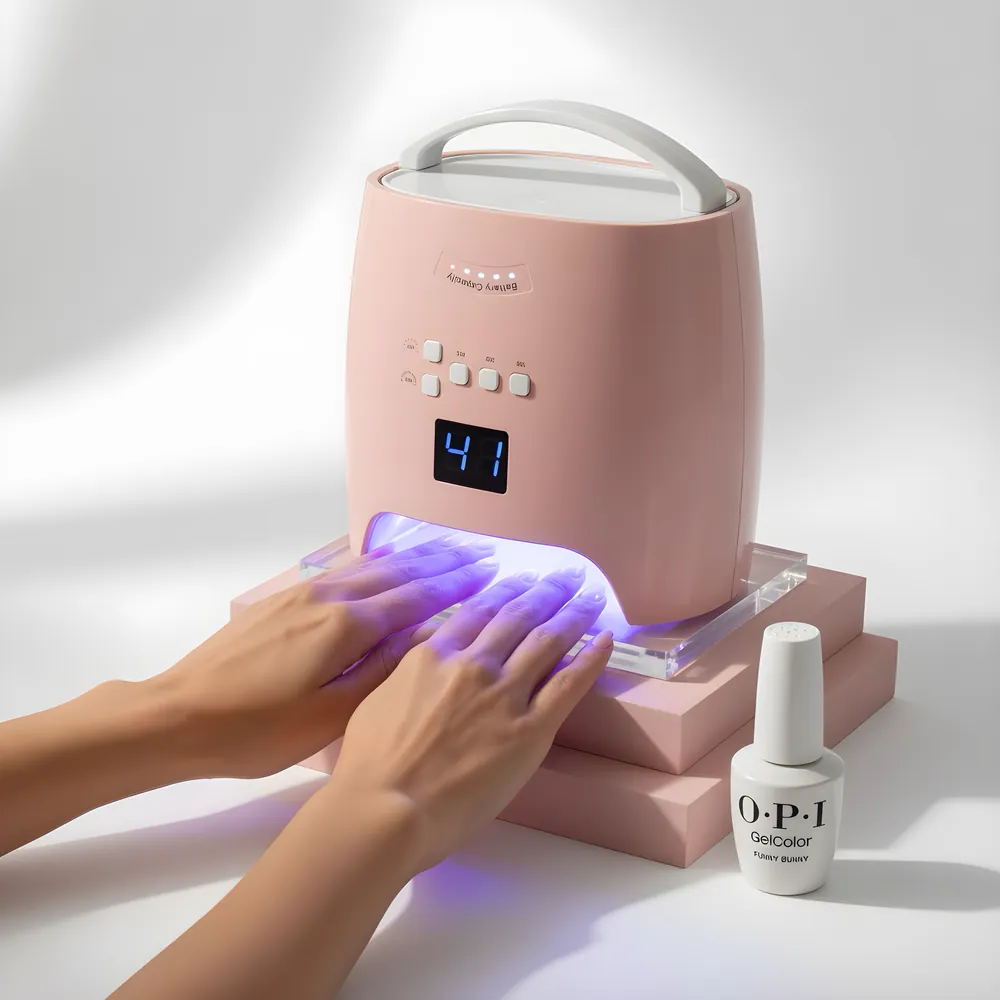
A gel polish allergy is a skin allergy to acrylate ingredients such as HEMA in uncured gel. The usual signs are an itchy red rash around the nails or on the eyelids, face and neck, and nails that loosen from the nail bed. If you see them, stop using the product and see a doctor or dermatologist, because a patch test can confirm which ingredient is the cause.
What a gel nail allergy looks like
Gel products are built from acrylate and methacrylate ingredients. One of the most common is HEMA (2-hydroxyethyl methacrylate). When your immune system learns to react to one of these ingredients, it is called sensitisation, and from then on small contacts can trigger a reaction.
The British Association of Dermatologists lists the typical signs: nails loosening, and a severe red, itchy rash that can show up anywhere the nails touched, including the eyelids, face, neck and genital region. Swelling of the hands, eyelids, cheeks and neck was also reported, and very rarely, breathing problems. DermNet adds that the rash often shows up around the eyelids, ears, mouth, chin and sides of the neck, that fingertips may turn red and swollen, and that a reaction can start within hours or take a day or two to appear.
Because the rash often appears away from the hands, many people never connect it to their nails. You touch your face all day, and your hands carry the allergen with them.
| What you notice | Why it can point to a gel allergy | What to do |
|---|---|---|
| Itchy, red, swollen eyelids or neck, and you had gel nails recently | Hands transfer the allergen to thin skin you touch often | Stop gel services and see a doctor |
| Red, swollen, tender fingertips | Direct contact with uncured product | Stop the product, see a dermatologist if it persists |
| Nails lifting or loosening from the bed | Listed by dermatologists as a sign; can also have other causes | Have the nail checked, do not just re-apply over it |
| Tingling or pain that lingers after removal | DermNet lists prolonged painful tingling (paraesthesia) as a complication of acrylate allergy | See a doctor |
| Breathing trouble, face swelling | Rare, but serious | Get urgent medical care |
This article is general information, not a diagnosis. Only a doctor can tell you whether a rash is an allergy, an irritation, an infection or something else.
How common is it?
The best numbers we found come from a UK and Ireland audit of 13 dermatology units. Of 4,931 patients patch-tested for (meth)acrylate allergy, 2.4% (116 people) tested positive to at least one, and 1.5% (76 people) tested positive to 2-HEMA, the most common culprit. These are patients sent for testing, so the percentages do not describe the general public.
Where did the allergies come from? According to the British Association of Dermatologists (BAD) summary, 60% came from recreational exposure such as nail enhancements and nail or eyelash glue, 33% were occupational, mostly among nail beauticians, and 7% came from other sources such as medical adhesives and dental materials. Women made up 93% of those affected.
In a separate survey of 742 clinic attendees, 19% had adverse effects from salon-applied acrylic nails and 16% from salon-applied gel polish. Those are people already at a dermatology clinic, so treat the figures as a warning signal, not a prevalence estimate.
Why it happens: uncured product on skin
The cause is not the cured, hard gel on your nail. Sensitisation happens when uncured (wet) product touches skin. BAD says skin contact with uncured product can cause sensitisation, especially when people apply products themselves or when technicians have had insufficient training.
Three practical triggers follow from that:
- Gel on the skin. Product that floods the cuticle, sidewalls or fingertip skin gets cured onto the skin edge or stays wet and sticky there.
- Under-curing. BAD notes that home gel kits carry extra risk because insufficient curing can raise allergy risk, and that using the wrong UV lamp may stop gel polish from curing properly. Always match the lamp to the product and follow the cure times on the label.
- Tacky layer and dust. Wiping the inhibition layer without gloves, or handling files and cotton wet with product, spreads it to your hands.
For clients, that means a clean application with a margin around the cuticle protects skin as well as looks better. For techs, the exposure repeats all day, which is why occupational allergy is so common. See our guide to hand dermatitis in nail techs for the workplace side.
Is a gel nail allergy permanent?
Dermatologists describe acrylate allergy as long lasting. In a Danish Consumer Council (THINK Chemicals) report on gel polish, an expert at the Danish Allergy Centre advised thinking twice before using gel polish at all, and a THINK Chemicals representative warned that the allergy risk "lasts a lifetime".
That is a general warning, not a prediction for your skin. The skin rash itself usually clears quickly once the allergen is removed, according to DermNet, unless there is infection. Doctors may use corticosteroid creams to speed recovery. Whether you can ever tolerate a gel system again is a question for your dermatologist after testing, not something to test yourself with a salon visit.
Getting a patch test
Diagnosis uses patch testing. DermNet lists the usual test for gel nail allergy as 2-hydroxyethyl methacrylate (HEMA) at 2% in petrolatum, applied under tape to the skin for a set time and then read by a dermatologist. Methyl methacrylate monomer is commonly tested at 2% as well.
A positive HEMA result tells you which family of ingredient to avoid. Ask the dermatologist for a printed list of every allergen that tested positive, and bring product ingredient lists to the appointment. The BAD summary also notes that allergy can go undiagnosed if symptoms appear away from the nails, so mention your nail history even if you came in for a rash on your face.
What HEMA-free means, and what it does not
HEMA-free gel contains no 2-hydroxyethyl methacrylate. That removes one common allergen. It does not turn the product into an allergy-proof one.
The Danish Consumer Council tested 70 gel polishes. HEMA was found in 19 products and Di-HEMA trimethylhexyl dicarbamate in 15, with 22 containing one or both according to the body of the report. Another 26 products lacked the professional-only ingredients but still contained allergenic acrylates. Fifteen had labeling errors or no ingredient list at all, mostly products bought from online marketplaces. The report's conclusion: HEMA-free gel polishes still contain other acrylates that can cause allergy and can cross-react with HEMA, so you cannot expect a UV-cured gel polish without allergy risk.
So here is a fair way to use HEMA-free systems:
- They are a sensible choice for clients who are worried about HEMA, or for techs who want to remove one known sensitiser from daily use.
- They do not replace good technique. Keep every product off the skin, cure fully with the right lamp, and wear nitrile gloves.
- If someone has already tested positive for HEMA or other acrylates, they need their dermatologist's advice, not a product label.
- Buy from sources that print a full ingredient list on the bottle or box.
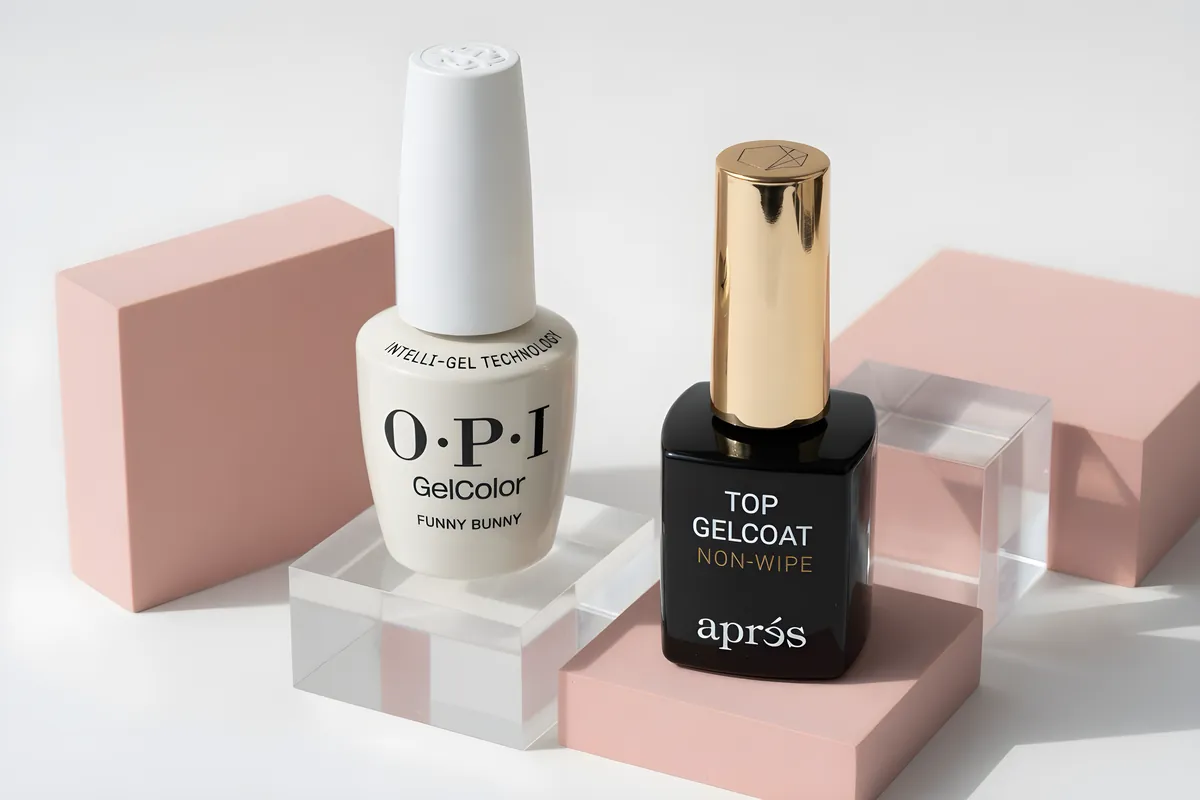
The Studio stocks a large HEMA and TPO-free range, including DND TPO HEMA FREE colors, HEMA-free builder gels and the Apres Gel-X sensitive extend gel. Check the label of the exact bottle you buy and read the ingredient list, because brand-level claims do not cover every SKU. If you are asking about TPO, read our guide to the EU TPO ban.
A safer gel service: checklist for clients
- Ask which gel system the tech uses and whether the ingredient list is printed on the product.
- Watch the application. A good tech leaves a thin margin of bare skin around the cuticle and sidewalls and wipes any gel off the skin before curing.
- Check that the lamp matches the product and that each layer gets the full cure time on the label. Rushing cures to save time raises the risk of under-cured product on your skin.
- Do not pick or peel gel off. Dermatologists at the American Academy of Dermatology say picking at chipped polish causes damage and that your manicurist should remove it.
- Tell your tech about any itching, burning or swelling at once, and report new rashes to your doctor.
- Give your skin a break between services if you notice dryness or redness around the nails.
None of these steps makes allergy impossible. They lower repeated contact, which is the thing that matters most.
If you have a reaction
- Stop using the product and stop new gel services until a doctor has looked at it.
- Have hardened enhancements removed professionally if they are painful or the skin is inflamed. DermNet notes that hardened artificial nails may need to be removed when a reaction is severe or infected.
- See a dermatologist, ideally one who does patch testing.
- Keep the product bottles and ingredient lists. A report to the manufacturer and to the FDA helps; the FDA says that if you have a reaction you should tell your doctor and then report it.
- Use regular lacquer polish in the meantime if you want color. DermNet mentions hypoallergenic enamels as alternatives, though sensitivity is still possible with any product.
For techs: protect your own hands
BAD's advice for nail technicians is specific: wear nitrile gloves, replace and dispose of them every 30 minutes, and remove them using a "no touch" technique. It also warns that gloves alone are not enough because (meth)acrylates pass through many glove types, so the first rule is to keep these products away from all direct skin contact.
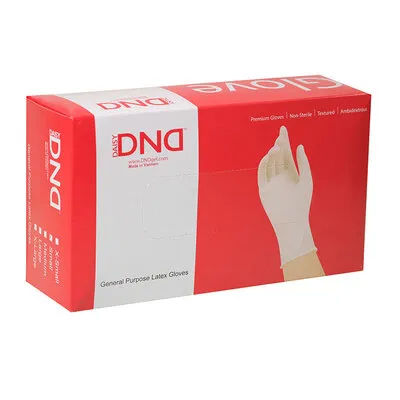
Build the habit into your setup: cap bottles right after use, keep a dedicated tray for wet brushes, wipe spills at once, and never reuse a cotton pad that has touched uncured gel. Our guide on nitrile vs latex gloves covers the glove side in detail, and the supplies page has gloves and masks.
Shop what's in this guide
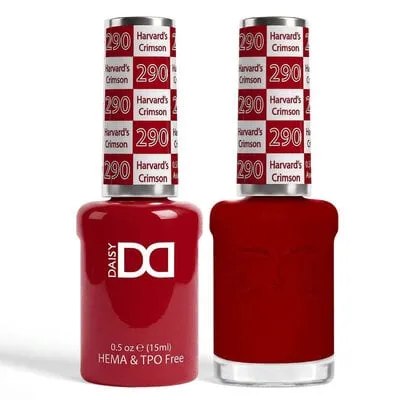
290 - Harvard’s Crimson - Duo Polish
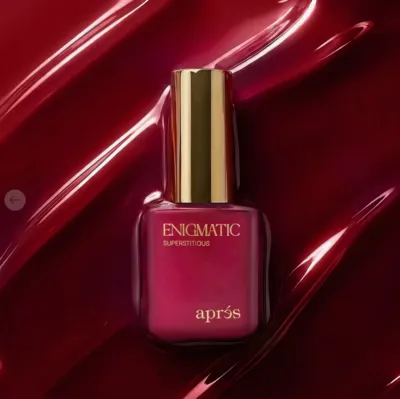
Enigmatic Gel Couleur - J23 Superstitious
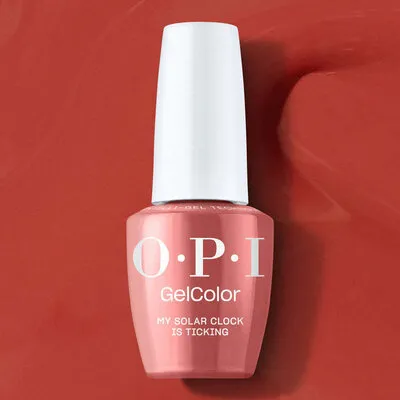
P38 - Intelli-Gel - My Solar Clock Is Ticking
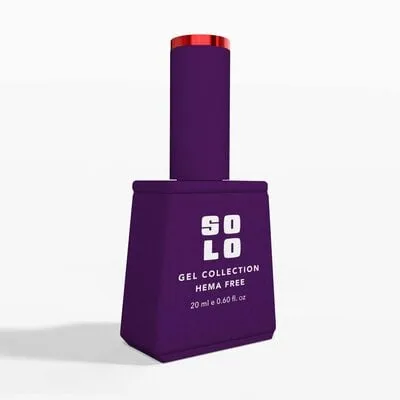
SO 348 - Berry Spell - .6 oz
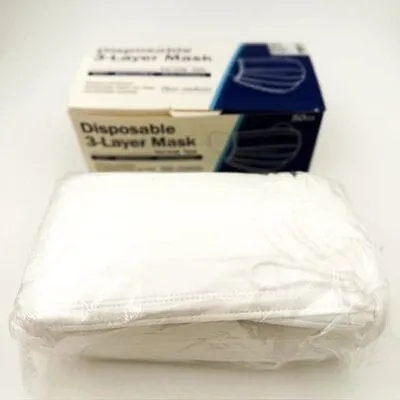
Face Mask - Disposable - White 3 Layer - 50 count
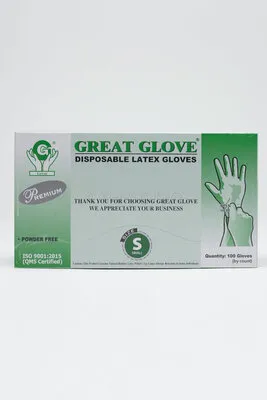
Latex Gloves
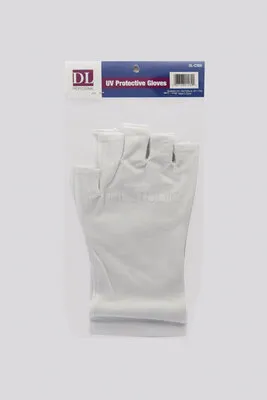
DL - UV Protective Gloves C309