Hand Dermatitis in Nail Techs: Irritant vs Allergic, Prevention and When to See a Dermatologist
Why nail techs get itchy, cracked hands, how irritant and allergic dermatitis differ, what protects your skin, and when to get patch tested.

Hand dermatitis in nail techs comes from two causes that often overlap: irritation from wet work, solvents and frequent handwashing, and allergy to acrylates such as HEMA in gels, dips and acrylics. Moisturize often, limit wet work, wear the right gloves and change them regularly, and keep uncured product off your skin. If it does not clear, or keeps coming back, see a dermatologist and ask about patch testing.
Two kinds of hand dermatitis, and why the difference matters
A 2026 review in the dermatology journal Cutis on occupational hand dermatitis explains that irritant contact dermatitis (ICD) is the most common occupational form. It comes from repeated exposure to irritants such as water, detergents and soaps, which break down the skin barrier. Allergic contact dermatitis (ACD) is an immune reaction to a specific substance. The review says ACD should be considered in chronic, recurrent or treatment-resistant cases, especially when dermatitis shows up beyond the irritant contact sites or flares with workplace exposures. The two are hard to tell apart by looking, and they can occur together.
| Irritant dermatitis | Allergic dermatitis | |
|---|---|---|
| Cause | Water, soaps, solvents, friction, occlusive gloves | An immune reaction to an allergen, for nail techs most often acrylate monomers |
| Where | Usually the backs of the hands, finger webs, around nails | Hands, but may spread to eyelids, face and neck, where hands carry the allergen |
| Who gets it | Anyone with enough exposure | People who have become sensitised |
| Typical feel | Dry, tight, cracked, stinging | Itchy, red, sometimes blistering |
| How to confirm | Clinical exam | Patch testing (gold standard, per the Cutis review) |
If your hands hurt and crack, it is probably irritation. If they itch intensely, blister or spread to your face, think allergy. In both cases, see a doctor if it does not clear.
Wet work: the quiet cause
The Cutis review defines wet work as frequent handwashing, prolonged liquid contact and occlusive glove use. It says wet work is linked to a 56% higher likelihood of ICD, and that the backs of the hands are usually affected. In health care workers, handwashing 8 to 10 times a day was associated with a relative risk of 1.51 for hand dermatitis. That figure is from health care workers, not nail techs, but a tech who washes hands between every client, wears gloves for hours and uses acetone or alcohol is in a similar position.
Add solvents. OSHA lists acetone as causing irritated skin, and ATSDR says skin contact with acetone can leave skin dry, irritated and cracked. OSHA also says toluene can cause dry or cracked skin. Damaged skin absorbs more, according to OSHA, so the cycle feeds itself: irritation, cracks, more absorption, more irritation, and a higher chance of becoming allergic.
The allergy side: acrylates and nail techs
The Cutis review names the main risk for nail technicians: allergic contact dermatitis from acrylate monomers in gels, dips and acrylics. The common ones are 2-hydroxyethyl methacrylate (HEMA), 2-hydroxypropyl methacrylate and ethyl cyanoacrylate. The review says avoidance is difficult because these products are everywhere in the trade.
The British Association of Dermatologists found that of 116 people with a (meth)acrylate allergy in a UK and Ireland audit, 33% had occupational exposure, mostly nail beauticians. It advises techs to keep (meth)acrylates away from all direct skin contact because they pass through many glove types.
The Cutis review reports that acrylate-containing nail products can penetrate commonly used disposable gloves within seconds to about 20 minutes, depending on the glove and the product. When exposure is brief, it suggests nitrile gloves with changes every 15 to 30 minutes. BAD says to replace nitrile gloves every 30 minutes and take them off with a "no touch" technique.
For the full allergy picture, including HEMA-free products, read our guide to gel nail allergy.
Prevention that works at a nail table
The Cutis review calls regular use of emollients (moisturizers) foundational and says they can be enough on their own for mild occupational hand dermatitis. Here is how to turn that into a routine.
- Moisturize after every hand wash and at every break. Keep a pump bottle of lotion at the station, and use a thicker cream at night.
- Cut the number of washes you do not need. Wash when the job needs it: before and after clients, after handling chemicals, before eating. OSHA advises washing hands before and after working on clients.
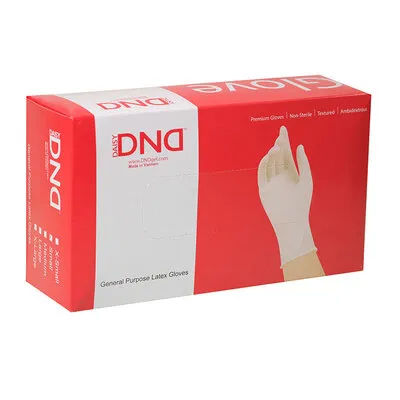
- Use the right glove for the task. See nitrile vs latex gloves.
- Give skin a break from gloves. The review recommends cotton glove liners when glove use exceeds 10 minutes to reduce occlusion and moisture, and limiting glove wear periods.
- Keep uncured product off skin. Wipe spills immediately, cap bottles, and never reuse a cotton pad with wet product on it.
- Protect cuts and cracks. OSHA says to cover and protect cuts or cracks in the skin, because damaged skin increases chemical absorption.
- Do not keep using a product that irritates you. OSHA advises not continuing to use a product if there are visible signs of skin irritation, and to check that your gloves are intact.
If your skin gets worse when gloves are on, ask a dermatologist about glove-related causes. The review suggests testing rubber accelerator chemicals and the person's own gloves when hand dermatitis is linked to gloves.
A daily skin routine for a working tech
| When | What to do |
|---|---|
| Before work | Moisturize hands. Check for cracks and cover them. Set out gloves, liners and lotion at the station. |
| Between clients | Wash hands (OSHA advises washing before and after working on clients), dry fully, apply lotion. |
| When handling acetone or transferring chemicals | Wear goggles and gloves. OSHA says latex or vinyl for acetone, nitrile for many other chemicals. |
| Gloved for more than about 10 minutes | Consider cotton liners to reduce moisture buildup, per the Cutis review. |
| After work | Wash, then apply a thick moisturizer. Wear cotton gloves over it overnight if your skin is cracked. |
| Days off | Notice whether your hands get better. If they clear on days off and flare at work, the cause is probably work-related, and that is useful information for your doctor. |
If you share a station with other techs, agree on one shared lotion pump and one glove-and-liner stock so nobody has to leave a client to find them. Small friction is what makes good habits slip.
The point of the table is not to add work. It is to make the same few good choices every day, so you do not have to think about them.
When to get patch tested
Patch testing is the standard way to find out whether you are allergic to something. The Cutis review recommends considering it when hand dermatitis does not improve with standard treatment, especially in occupational cases. It also warns that a basic screening series alone may miss 26.3% to 50% of occupationally relevant allergens, so the test should be comprehensive. A good clinic can add series for hairdressing, adhesives, cosmetics and others, plus the products you actually use.
To get the most from the visit:
- Bring the labels, ingredient lists or safety data sheets of your gels, acrylic liquids, primers, glues and removers.
- Bring your gloves.
- Tell the doctor what your hands look like when you are off work for a week and when you return to it.
- Ask for a written list of allergens and a plan for working around them.
The review notes that dermatologists also help decide work-relatedness and functional impairment, and guide patients through occupational health, disability and workers' compensation processes when needed. Ask about those options if your hands keep you from working.
What a dermatologist will likely ask
Knowing what to expect helps you prepare. A doctor evaluating hand dermatitis is trying to work out whether it is irritant, allergic or both, and whether it is related to work.
- When did it start, and did it begin after a change in products, brands or hours?
- Does it improve on days off or on holiday?
- Where is it on the hands, and has it appeared on the eyelids, face or neck?
- Which products do you use every day, and how often do you wash and glove?
- Have you tried treatments, and did they work?
Write short answers beforehand and bring your products. The more precise the history, the more useful the patch test will be. Remember that the Cutis review says allergic and irritant dermatitis are hard to distinguish by appearance alone, so the history and the test carry most of the weight.
If you are a student or new tech, build the skin habits now. Habits are much easier to start than to reverse after your skin barrier is broken.
When to see a doctor
See a dermatologist or your doctor if:
- Your hands do not improve after a couple of weeks of consistent moisturizing and glove care.
- The rash spreads to your eyelids, face or neck.
- Your skin is blistered, weeping, bleeding or very painful.
- You see signs of infection: swelling, warmth, pus, red streaks.
- You have trouble breathing, or your face or lips swell. This is an emergency.
- You are thinking of quitting or changing jobs because of your hands. Get a diagnosis first.
This article is general information. Treatment, including prescription creams, belongs to your doctor. For more on protecting yourself at work, read ventilation, dust and masks.
Shop what's in this guide
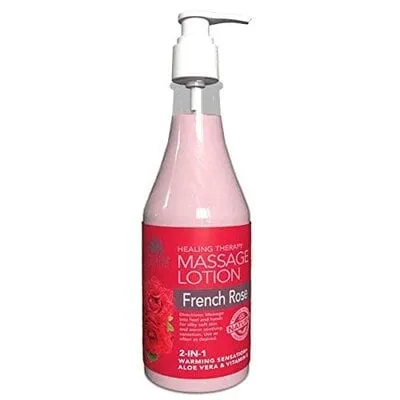
Massage Lotion - 24 oz - French Rose
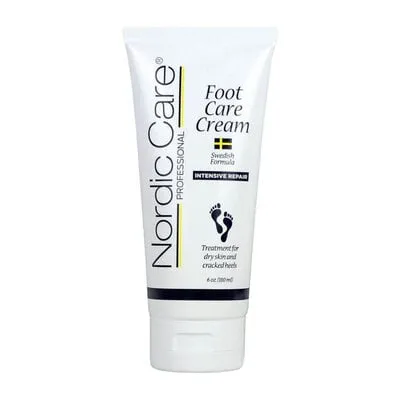
Nordic Care - Foot Care Cream - 6 oz
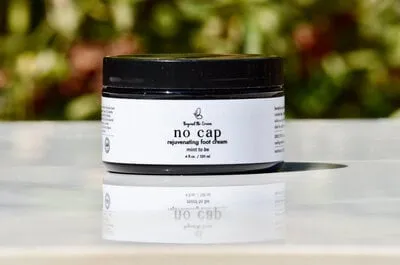
No Cap Foot Cream - 4 fl oz
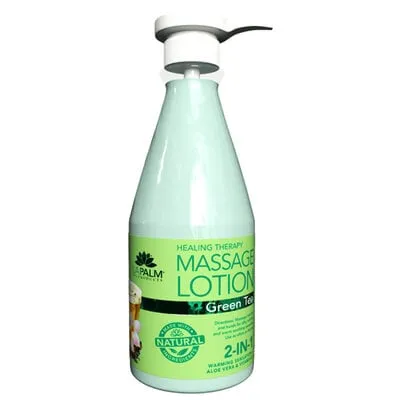
Massage Lotion - 24 oz - Green Tea
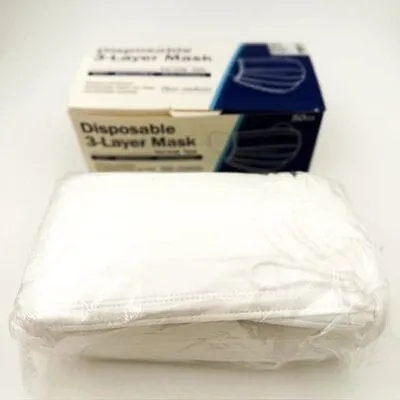
Face Mask - Disposable - White 3 Layer - 50 count
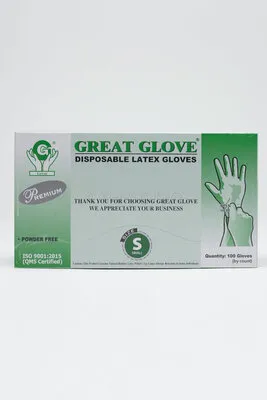
Latex Gloves

DL - UV Protective Gloves C309