Nitrile vs Latex vs Vinyl Gloves for Nail Techs: Which to Use for Which Job
Which glove for acetone, gels and acrylics, how fast acrylates get through, how often to change gloves, and what to do if you react to latex.
For most nail work, nitrile is the better all-round glove, and dermatologists suggest changing nitrile gloves every 15 to 30 minutes when handling acrylate products. OSHA says latex or vinyl gloves are appropriate for acetone. No glove stops acrylates completely, so keep product off skin as well. If you get hives or itching from latex, switch to nitrile or vinyl and see a doctor.
The short version: which glove for which job
| Task | Better choice | Why (source) |
|---|---|---|
| Gel, builder gel, dip and acrylic work | Nitrile, changed every 15 to 30 minutes | A 2026 Cutis review suggests nitrile for brief acrylate exposure with changes every 15 to 30 minutes; the British Association of Dermatologists says every 30 minutes |
| Handling or transferring acetone | Latex or vinyl | OSHA says latex or vinyl gloves are appropriate when handling acetone |
| Many other salon chemicals | Nitrile | OSHA says nitrile protects against many chemicals used in nail salon products |
| Long wet work such as cleaning and disinfecting | Vinyl, with moisturizer; consider cotton liners | Cutis review recommends vinyl for wet work with regular emollient use and cotton liners when gloves are worn longer than 10 minutes |
| Someone with a latex allergy | Nitrile or vinyl | Avoid latex; see a doctor for testing |
These are working rules based on what agencies and dermatologists say, not a replacement for the glove maker's chemical resistance chart or your doctor's advice.
Nitrile gloves
Nitrile is a synthetic rubber. It contains no natural rubber latex, which makes it the standard alternative for people who react to latex. OSHA recommends nitrile for protection against many of the chemicals used in nail salon products.
The most important thing to know about nitrile at a nail table: it is not a force field. The Cutis review reports that acrylate-containing nail products can penetrate commonly used disposable gloves within seconds to about 20 minutes, depending on the glove and the product. The British Association of Dermatologists adds that gloves alone are not enough because (meth)acrylates pass through many glove types. The practical result:
- Change nitrile gloves every 15 to 30 minutes when you handle acrylates, and sooner if gel gets on them.
- Use the "no touch" removal technique BAD recommends: pull the first glove off from the cuff without touching the outside, then use the bare hand to slide under the second glove's cuff.
- Keep wet product off the glove surface where possible, because every touch moves it to something else.
- Treat gloves as a backup to careful technique, not a replacement.
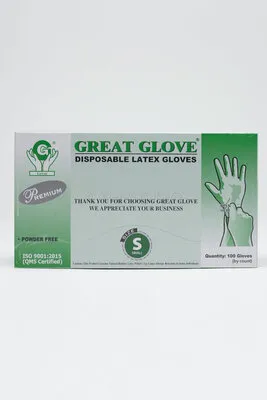
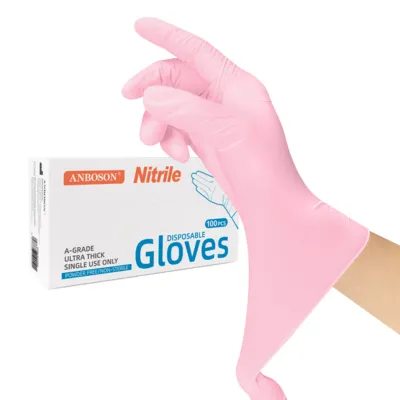
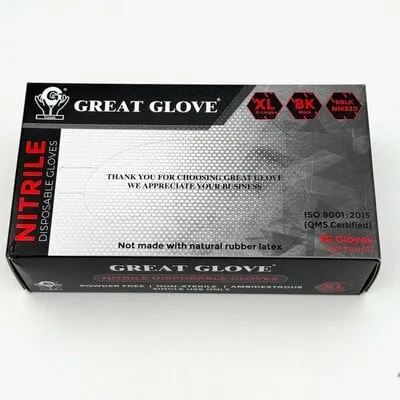
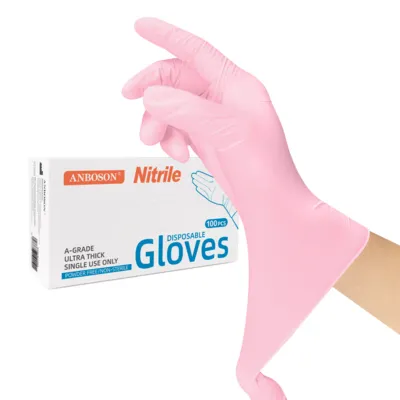
The Studio stocks Great Glove black nitrile gloves, including an XL 95-count box, and Anboson pink nitrile gloves in small and medium. Browse the full gloves and masks category.
Latex gloves
Natural rubber latex gloves stretch well and fit closely. OSHA lists latex among the glove types appropriate when handling acetone. The downside is that latex proteins can trigger allergic reactions in some people. The Cutis review mentions latex-specific IgE blood testing for immediate-type reactions, which are the kind that show up soon after contact, such as itching, hives and swelling.
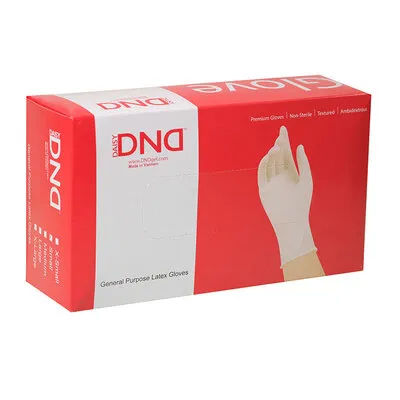
If you get hives, a runny nose, or itchy skin soon after putting on latex gloves, stop using them and talk to a doctor. Immediate reactions are different from a slower, rash-type reaction. The review also suggests testing rubber accelerator chemicals and the person's own gloves when hand dermatitis seems tied to gloves, so a dermatologist can sort out which problem you have. Our catalog has DND latex gloves for salons that prefer them.
Never keep using a glove that causes itching, hives, swelling or trouble breathing. Seek urgent medical help for breathing trouble or swelling of the face or lips.
If you work in a shared salon, ask coworkers and clients about latex allergy before you open a box of latex near them. When in doubt, use non-latex.
Also remember: a clean, comfortable glove is not automatically a safe one. A client with a latex allergy is a client you must serve with non-latex gloves. Ask new clients about it.
Vinyl gloves
Vinyl is the third common disposable glove. The Cutis review recommends it for wet work, with regular moisturizing, and OSHA lists it as appropriate for acetone. For brief acrylate exposure, the same review points to nitrile instead. In practice, many techs keep vinyl for cleaning, disinfecting and dispensing tasks, and nitrile for product work.
Putting gloves on and taking them off without contaminating your hands
Most skin exposure from gloves happens at removal. BAD recommends a "no touch" technique. Here is a step-by-step version:
- With your gloved right hand, pinch the outside of the left glove near the wrist and peel it down and off, turning it inside out. Keep the removed glove in your gloved right hand.
- Slide two fingers of your bare left hand inside the cuff of the right glove, touching only the inside.
- Peel the right glove off over the first glove, so the first glove ends up inside it.
- Drop the bundle into a covered trash can.
- Wash and dry your hands, then put on fresh gloves when you need them.
Practice it on a normal day, not in a rush. A well-practised technician can do it in a couple of seconds, and it protects the skin you most need to keep healthy.
How to choose and use gloves well
- Read the glove maker's chemical resistance information. OSHA warns that a safety data sheet may say "wear impervious gloves" without naming a material. Ask your supplier which glove they mean.
- Match the size. Gloves that are too tight stretch thin and tear; too loose and they slip and hurt dexterity.
- Replace at the first sign of damage. OSHA says to replace gloves immediately if there are cuts, tears or holes.
- Wash and dry hands before putting gloves on. Moisture trapped in a glove irritates skin. The Cutis review recommends cotton liners when gloves are worn for more than 10 minutes.
- Do not wear gloves out of the work area. Contaminated gloves spread product to door handles, phones and your face.
- Pair gloves with the rest of the system. Ventilation, closed bottles and clean technique do more than any glove can. Read our ventilation guide.
Buying checklist
- Box count that matches how fast you go through gloves. If you change every 15 to 30 minutes on product work, a busy tech can use dozens of pairs a day.
- A size for every hand on your team, and a different box for acetone tasks if you use a different material for them.
- Disposable only. Do not wash and reuse disposable gloves. Once product has touched them, the glove surface carries product, and BAD notes that (meth)acrylates pass through many glove types.
- A color that you can see product on. Many techs like darker gloves for spotting spills; pick what lets you see contamination and change before it spreads.
Skin problems under gloves: what they might mean
| What you notice | Possible cause | What to try |
|---|---|---|
| Hands wet, red or wrinkled after a long shift in gloves | Occlusion and moisture; wet work | Use cotton liners if gloved longer than 10 minutes, change gloves, dry hands before gloving, moisturize after |
| Itching, hives or swelling soon after putting on latex | Possible immediate-type latex reaction | Stop latex, switch to nitrile or vinyl, see a doctor |
| Itchy rash on the hands or face that appears a day or so after work | Possible allergic contact dermatitis, for example to acrylates | See a dermatologist and ask about patch testing |
| Rash that seems tied to a specific glove brand | Possible glove-related cause, such as rubber additives | Tell your dermatologist; take the gloves to the appointment |
| Gloves tear often | Wrong size, nails too long, or thin gloves | Try a size up or a thicker glove; file nail edges smooth |
These are not diagnoses. If a problem keeps coming back, see our guide on hand dermatitis in nail techs.
What about clients?
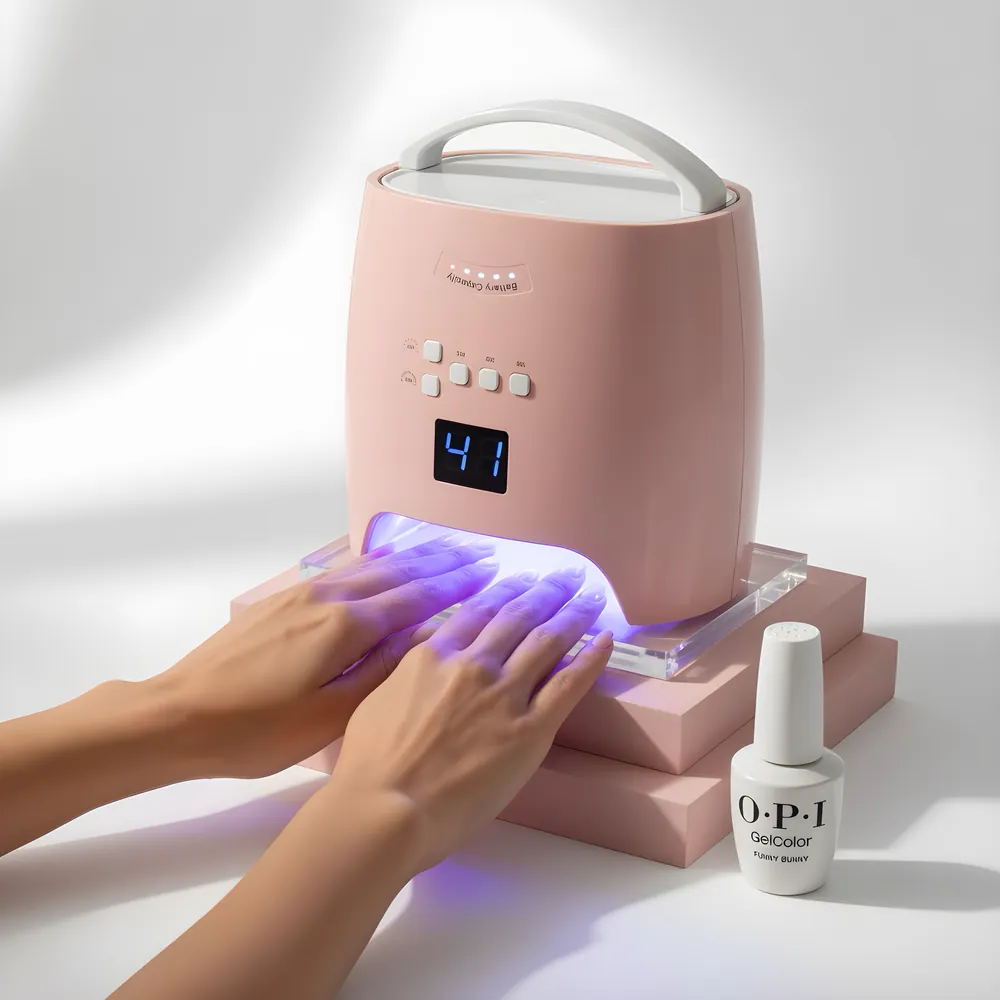
Most clients are not wearing gloves, and they do not need to for a standard service. They are not handling the products all day the way you are, and the client's skin is protected by good technique: keeping product off the skin, removing gel from skin before curing, and cleaning up properly. Your own protection is a different matter, because you repeat the same exposure thousands of times a year. Some choose fingerless dark gloves to protect their hands from UV lamp light, as the AAD suggests in place of sunscreen. See our UV lamp guide.
If a client has a known allergy to latex, use non-latex gloves, and tell them which gloves you use. If a client has a known allergy to acrylates, ask them to see their dermatologist before a gel service, and read our allergy guide.
A glove checklist for the station
- Nitrile gloves in the sizes your team needs, within reach.
- A second box of latex or vinyl for acetone tasks, if you prefer them for that job.
- A timer or a clear habit to change nitrile gloves every 15 to 30 minutes during acrylate work.
- Cotton liners for long glove wear.
- Lotion at the station for use after you take gloves off.
- A closed trash can for used gloves, because gloves with product on them still carry product.
- A note on your intake form asking about latex and acrylate allergies.