Acetone Safety in the Nail Salon: Storage, Fumes, Gloves and Disposal
How to use, store and dispose of acetone safely: what ATSDR and OSHA say about fumes, skin, gloves, fire risk and safer gel removal.

Acetone is safe for normal salon use when you keep the room ventilated, keep containers closed, keep it away from heat and flames, and protect your skin. Strong fumes can cause headaches, dizziness and irritation, and skin contact dries and cracks skin. Used liquid acetone must be saved in a fire department-approved metal container and disposed of as hazardous waste, not poured down the drain.
What acetone does to your body
Acetone is the solvent that dissolves gel polish, acrylic and most nail glues. It evaporates quickly, which is why the smell fills a room fast.
The U.S. Agency for Toxic Substances and Disease Registry (ATSDR), part of the CDC, summarizes the health effects in plain terms:
- Breathing or swallowing a lot in a short time can cause headaches, confusion, nausea, a racing pulse, changes in blood cell counts, unconsciousness or coma.
- Breathing a moderate to high amount can irritate the nose, throat, lungs and eyes. A strong smell and irritation of eyes, nose or mouth are warning signs.
- Skin contact can leave skin dry, irritated and cracked.
- Beauty salon workers are named as people who can be exposed to higher levels at work, and nail polish removers are a common source.
- Long term: most long-term research is in animals, which reported damage to kidneys, liver and nerves, birth defects and male infertility at long-term exposure. ATSDR says it is not known whether the same happens in people. The EPA found there is not enough evidence to decide whether acetone causes cancer in humans.
OSHA lists the effects for salon workers as headaches, dizziness, and irritated eyes, skin and throat. In small amounts, ATSDR says the liver breaks acetone down into harmless chemicals, but a closed room with open containers can push levels beyond "small".
The smell and the burning in your eyes are real warning signs. If you notice them, open the room and close the bottles before you do anything else.
Ventilation: the first fix
OSHA calls ventilation the best way to lower the level of chemicals in a salon and says NIOSH lab tests indicate exhaust ventilation systems may reduce worker exposure by at least 50%. For acetone work, that means:
- Keep the salon's exhaust running all day. If there is none, keep the HVAC on with the thermostat fan set to "on", not "auto".
- Open doors and windows when possible, and place fans so air is pulled in at one end and pushed out the other.
- Run a ventilated table or portable ventilation machine at the station while you remove polish and enhancements.
- Do soak-offs in a lidded container or with foil wraps rather than open bowls. NIOSH recommends keeping chemical containers closed.
Florida's Rule 61G5-20.002 also requires salons to be well ventilated. Read more in our guide to nail dust, masks and ventilation.
Read the safety data sheet for your acetone
OSHA's Hazard Communication Standard requires manufacturers to give salon owners a safety data sheet (SDS) for each product that may contain a hazardous chemical. Employers must keep SDSs available near the product and must train workers who use it. For acetone, the SDS tells you what is in the bottle, how workers can be exposed, the health and safety risks, and how to store it and what to do in an emergency.
OSHA warns that an SDS may not contain every detail you need, for example "wear impervious gloves" without naming the material. When that happens, ask the supplier which glove material they mean, or use the OSHA guidance above. Keep the SDS binder where every tech can reach it, not in the owner's office.
Fire risk: acetone is flammable
The FDA warns that some nail products are flammable and can ignite near pilot lights, lit cigarettes or heat sources such as curling irons. Acetone is among the most flammable products on a nail table. Fumes can travel along a table to a spark.
- Keep acetone away from heat, flames, space heaters, hot appliances and sparks.
- Do not use acetone near candles, incense or a lit cigarette.
- Store bottles away from direct sunlight and heat sources, with caps on tight.
- Use small amounts. Decant only what you need into a labeled bottle.
For tools and heat, remember that curling irons, flat irons and hot towels are all heat sources if they are near an open acetone container.
Bottles and dispensing
NIOSH recommends pressure-sensitive dispenser bottles with small openings, and OSHA recommends labeling any chemical you move from a large bottle to a smaller one with the manufacturer's label information, closing bottles tightly when not in use, and using only the amount of product you need.
- Use a pump or safety dispenser. They release a small amount when pressed and keep the opening covered the rest of the time. The Studio carries bottles and pumps, including safety dispensers for alcohol and plastic bottles in standard sizes.
- Label every bottle. Write "Acetone" on it and copy the warnings from the original.
- Keep the big container away from the table. Store backups outside the work area.
- Do not put acetone in food or drink containers. OSHA warns about product being swallowed when transferred onto food or cigarettes.
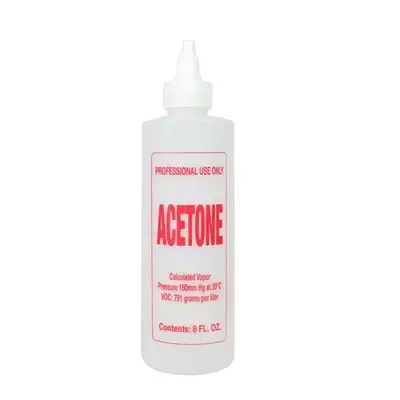
We stock plastic bottles of acetone in 8 oz and 16 oz sizes for salons that decant into smaller bottles.
A safe acetone station in six steps
- Place the acetone and soak-off supplies at the end of the table nearest the ventilation, away from heat sources.
- Use a labeled pump or safety dispenser, not an open bowl.
- Keep a metal lidded trash can within reach for soaked cotton and foil.
- Have gloves, goggles and a moisturizer ready for your own skin.
- Keep the SDS for the acetone at the station.
- Close the bottle before you reach for the next product, every time.
Gloves and skin protection
OSHA explains that nitrile gloves protect against many chemicals used in nail salon products, but that latex or vinyl gloves are appropriate when handling acetone. It also says to replace gloves immediately if they have cuts, tears or holes, to cover and protect cuts or cracks in the skin, and to wear goggles when handling and transferring products.
| Task | Glove choice (per OSHA) |
|---|---|
| Handling or transferring acetone | Latex or vinyl |
| Many other nail chemicals | Nitrile |
| Any task with a torn or punctured glove | Replace immediately |
If you react to latex, use vinyl for acetone tasks. Our guide to nitrile vs latex gloves has more detail. Skin that is already cracked absorbs more, so protect it. Damaged skin can increase chemical absorption, according to OSHA, so cover cuts and moisturize between clients.
Disposal: do not pour it down the drain
OSHA's instruction is specific: do not pour used chemicals down the sink or toilet, on the ground or down outside drains, or onto cotton balls. It adds that used liquid acetone must be saved in a fire department-approved metal container and disposed of as hazardous waste.
- Collect used acetone in an approved metal container with a tight lid.
- Label the container and keep it away from heat and the work area.
- Use metal trash cans with tight, self-closing lids for acetone-soaked cotton and foil so fumes do not evaporate into the air. If you do not have one, put soaked materials in a sealed bag before putting them in a covered trash can.
- Empty the cans daily to an outside garbage area at the end of the day.
- Ask your local waste authority or a hazardous waste hauler how to dispose of the full container in Broward, Miami-Dade or Palm Beach County. Rules vary by county.
Safer gel removal for clients
The American Academy of Dermatology (AAD) suggests soaking only the fingertips in acetone, not whole hands, to protect the surrounding skin. The other method is acetone-soaked cotton balls on each nail wrapped with small pieces of foil, left on for about 15 minutes.
- Moisturize afterward. The AAD recommends petroleum jelly or a moisturizer on nails and cuticles several times a day to reduce brittleness.
- If a client says they are allergic to acetone, the AAD says to consider traditional polish, since acetone is needed to remove gel polish.
- Do not scrape off gel that has not lifted. See our recovery guide for what that does to the nail.
Non-acetone removers work on regular lacquer, not on cured gel. The Studio sells a non-acetone remover for that purpose.
When to stop work and get help
Stop and open up the room if you notice a headache, dizziness, confusion, nausea, burning eyes or throat. These are the effects ATSDR and OSHA describe. If symptoms are strong, go outside, and get medical help for severe symptoms such as fainting or confusion. If you spill a large amount, ventilate the area, keep ignition sources away and clean it up with the protection OSHA describes, including a respirator with cartridges for large spills if your employer has a program and training for it.
If your hands crack or bleed from solvent exposure, treat it as a work injury. Talk to your doctor, and see hand dermatitis in nail techs for the longer-term picture. Tell your doctor what you do for a living and what products you use, as OSHA recommends.
Shop what's in this guide
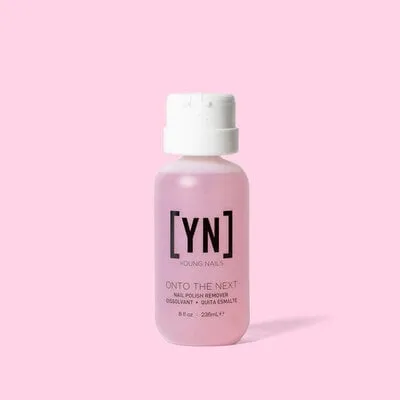
Onto The Next - 8 oz
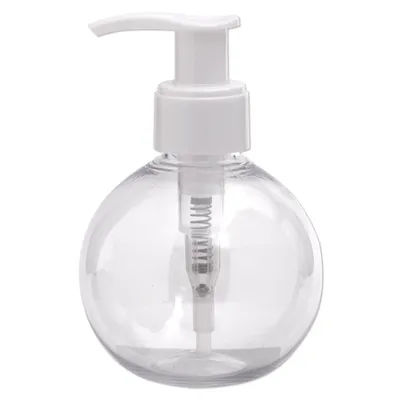
Soft n Style - Round Lotion Dispenser Bottle - 5 oz - B32
Powder Spray Bottle - Small - 8.5cm x 2.5cm - 14ml
Empty Nail Polish Bottle - White - 0.5 fl oz
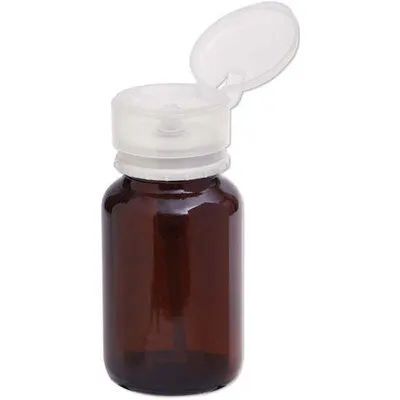
DL - Amber Glass Pump Dispenser Bottle - 6 oz - DL-C362
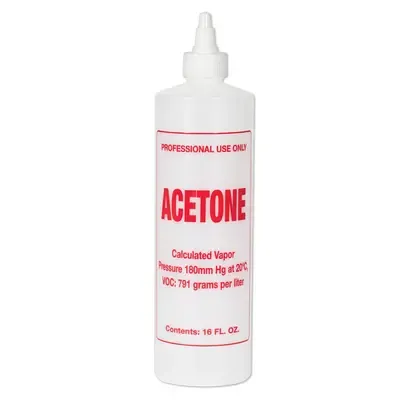
Acetone - Plastic Bottle - 16 fl oz - B68
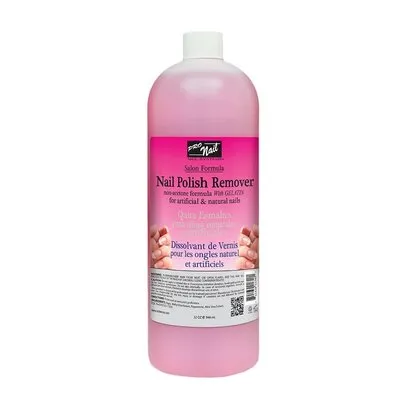
Pro Nail - Nail Polish Remover - Non-Acetone - 32 oz