Thin, Peeling Nails After Gel? A 4-Week Recovery Plan
Why nails get thin, peeling and brittle after gel or acrylic, a 4-week care routine based on dermatologist advice, and signs it is not just damage.
Gel polish itself does not have to ruin your nails. The damage usually comes from picking or peeling it off, over-filing, repeated acetone soaks, and too much water exposure. To recover, stop picking, have the product removed properly, take a break from gel, moisturize several times a day, wear gloves for wet work, and keep nails short. See a dermatologist if nails change, swell, hurt or do not improve.
What nail damage after gel looks like
The American Academy of Dermatology (AAD) says gel manicures can cause brittle nails, peeling and cracking. Typical signs people describe are:
- Nails that bend easily and feel paper thin.
- Layers peeling off at the tip like pages (splitting or peeling).
- Cracks that run from the tip down the nail.
- Rough, dry nail surface and dull color.
- Sore fingertips after the product comes off.
Most of this is damage to the surface layers of the nail plate, and it grows out as the nail grows. The damage is not usually the gel itself. It is what happens around the gel.
Not every nail problem after gel is damage. Nails that loosen from the bed with a red, itchy rash can be an allergy. A green or dark patch under a lifted nail can be an infection. Swelling, pain, pus or thickened, crumbly nails need a doctor. See the last section.
What actually causes the damage
| Cause | What happens | What dermatologists or agencies say |
|---|---|---|
| Picking or peeling off gel | Takes layers of nail plate with it | The AAD says picking at chipped polish or using other nails or tools to remove it causes damage; have your manicurist remove it |
| Over-filing or heavy buffing | Thins the nail | The AAD recommends filing only to smooth snags; every pass removes some nail, so a light touch protects it |
| Acetone soaks | Dries nails and skin | ATSDR: acetone dries, irritates and cracks skin; AAD: soak fingertips only, not whole hands |
| Too much water | Nails swell and shrink, then split and peel | The AAD says too much water exposure can weaken nails, making them split, peel or break |
| Using nails as tools | Chips and splits the free edge | The AAD advises not using nails as tools |
| Back-to-back gel services | No recovery time | The AAD suggests a break of one to two weeks or longer, and limiting gel to special occasions |
A fair way to say it: gel is not the villain, the removal and the repeat are. If the product is applied by a careful tech, removed correctly and followed by care, many people see little damage. If it is picked off every time, the nail pays for it.
A 4-week recovery routine
This plan builds on the AAD's advice for gel manicures and healthy nails. It is a routine to follow, not a promise. How fast a nail recovers depends on you, your health and how damaged it was. Nails grow slowly, and a damaged section only goes away as it grows out and gets trimmed.
| Week | Do | Avoid |
|---|---|---|
| Week 1 | Have all gel removed properly (fingertips soaked in acetone, or foil wraps for about 15 minutes). Trim damaged tips short and file smooth in one direction. Moisturize nails and cuticles several times a day. | Peeling, scraping and picking. New gel or acrylic. |
| Week 2 | Keep nails short. Wear gloves for dishes and cleaning. Use cuticle oil daily and hand lotion after every wash. | Long soaks in water, using nails as tools |
| Week 3 | Keep moisturizing. Use a clear, non-gel base coat only if you want color protection, or leave nails bare. | Hard buffing, strong nail hardeners |
| Week 4 | Assess. If the nail plate feels firmer and tips no longer split, you can plan your next service. If not, extend the break or see a dermatologist. | Going straight back to heavy enhancements |
Take a photo of your nails on day one and another at the end of each week, in the same light. Nails change slowly, and photos show progress your eyes miss. Expect the free edge to improve first, since that is where trimming removes the oldest damage, while the area near the cuticle changes only as new nail grows in. Do not judge the plan after three days.
The AAD recommends a polish break of one to two weeks or longer between gel manicures, and applying petroleum jelly or moisturizer to nails and cuticles several times a day to reduce brittleness and chipping. Four weeks is a practical middle ground for a nail that already looks damaged.
Troubleshooting: what you see and what to try
| Symptom | Likely cause | What to try |
|---|---|---|
| Layers peeling at the tip | Peeling off gel, water exposure, dryness | Trim and smooth the tip, moisturize several times a day, wear gloves for wet work |
| Nail bends easily, feels paper thin | Over-filing, repeated removal, no break between services | Stop enhancements for a few weeks; keep nails short |
| Dry, white, rough patches on the surface | Buffing, acetone, dehydration | Moisturize; ask your tech to buff less |
| Cracks running down the nail | Trauma, using nails as tools, dryness | Keep nails short; stop using them as tools; see a doctor if cracks keep returning |
| Sore fingertips after removal | Acetone on skin, scraping, or irritation | Soak fingertips only, moisturize; see a doctor if sore, red or swollen for days |
| Nails loosening with itchy rash | Possible allergy | Stop gel and see a dermatologist |
Daily habits that help most
- Keep nails short. Short nails take fewer knocks and hold less water and chemicals. Trim straight across with sharp clippers and slightly round the tips, as the AAD advises.
- Moisturize often. Use petroleum jelly or hand cream, and apply it after every hand wash. Our lotions and cuticle oils are here.
- Wear gloves for wet work. The AAD says to limit water exposure and wear gloves for dishes.
- File gently. Use a fine file or buffer and move in one direction. See files and buffers.
- Do not bite nails or remove cuticles. Both are on the AAD's list of things to avoid.
- Keep nails clean and dry. It helps prevent bacteria and fungi from growing underneath, per the AAD.
On supplements: the sources we reviewed did not give a firm recommendation for biotin or other nail supplements. Ask a doctor before taking any.
Myths about gel and nail damage
"Gel lets nails breathe, acrylic does not." Nails get what they need from the body, not from the air. What matters is how the product is applied and removed.
"A strengthener will fix thin nails overnight." A damaged section grows out over time. Some hardeners contain formaldehyde, and the FDA says formaldehyde in some nail hardeners and polishes can cause skin irritation and allergic reactions and may make nails brittle. If you want to avoid it, the FDA says to check labels for formaldehyde, formalin, methylene glycol or toluene sulfonamide/formaldehyde resin.
"Peeling gel off is faster and does no harm." It is faster, and it takes nail with it. The AAD says not to do it.
"My nails need a year off." The AAD suggests breaks of one to two weeks or longer and limiting gel to special occasions. A longer break is fine if you want one, and it is the best thing for a badly damaged nail.
"Only the nail tech is responsible." Technique matters, and so do home habits: gloves for dishes, moisturizer, no picking, no using nails as tools.
Removing gel without wrecking the nail
This is where most damage happens. Use the AAD's methods:
- Soak only your fingertips in acetone, not your whole hands, or
- Soak cotton balls in acetone, place one on each nail and wrap with a small piece of foil. Leave for about 15 minutes.
Then let the gel soften and slide off. Do not scrape it. If it clings, wrap again for a few more minutes. Do not grind through to the natural nail with an e-file to speed things up, because that thins the nail. Our acetone safety guide covers ventilation and skin protection while you do this.
For techs: soak-off clips and remover wraps cut down acetone contact with skin. Keep the client's hands moisturized after removal.
For techs: protect the natural nail
- Do only the prep the system needs. Remove shine, not nail. See our prep guide.
- Remove old product with soak-off, not by prying.
- Schedule breaks into long-term clients' calendars and tell them why.
- Keep hydrating aftercare on your counter: cuticle oil and hand lotion.
- Ask what happened last time. A client who peeled the product off at home, or who had a rushed removal elsewhere, needs a different plan than one whose nails were healthy.
- Know the signs that call for a referral, and use them. Clients trust a tech who sends them to a doctor when it matters.
When to see a dermatologist
The AAD says to see a board-certified dermatologist if you notice unusual changes in your nails or have a nail problem that persists. Healthy-nail advice from the AAD also lists swelling, pain and changes in the nail as reasons to be seen, and people with diabetes or poor circulation should seek treatment for any nail problem.
Go sooner if you see:
- Nails lifting from the bed with an itchy, red rash on the fingers, eyelids, face or neck (possible allergy). See our allergy guide.
- Green or black color, pain, swelling or pus (possible infection). See green nails.
- Dark streaks, a nail that suddenly changes shape, or a single nail that looks very different from the others.
- Nails that do not improve after several weeks of care.
Shop what's in this guide
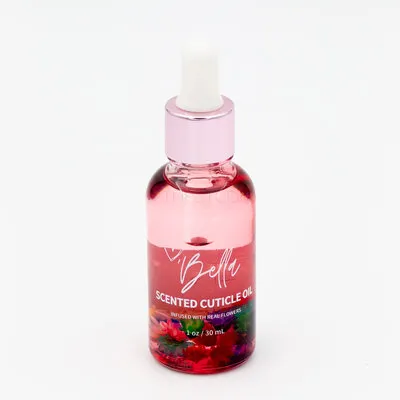
Cuticle Oil - Unscented - 1 fl oz
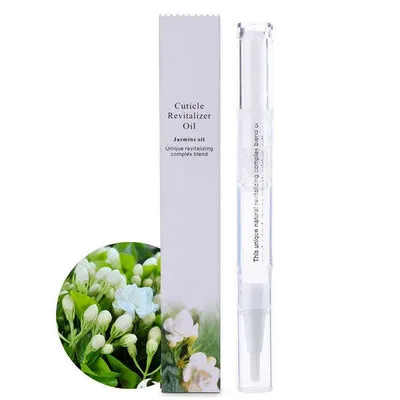
Cuticle Revitalizer Oil Pen - Jasmine
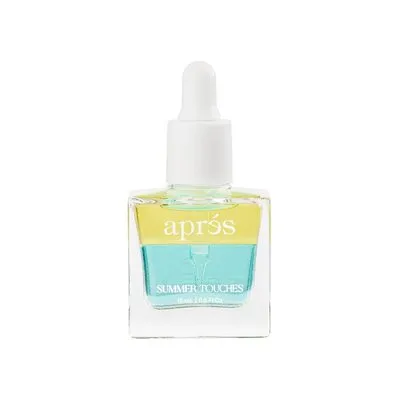
Cuticle Serum Oil - Summer Touches - 15 ml
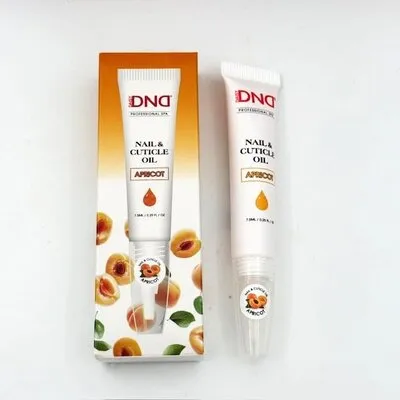
Nail and Cuticle Oil - .25 fl oz - Apricot
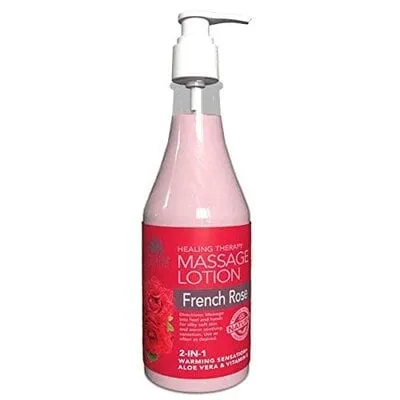
Massage Lotion - 24 oz - French Rose
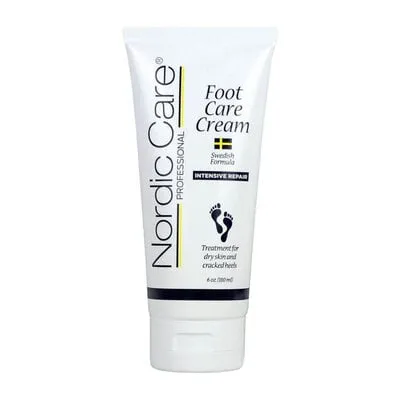
Nordic Care - Foot Care Cream - 6 oz
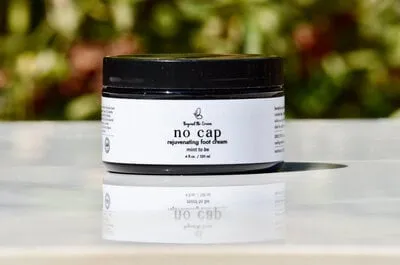
No Cap Foot Cream - 4 fl oz