Green Nails: Pseudomonas Bacteria vs Fungus, and When to Send a Client to a Doctor
Green under a gel or acrylic nail is usually bacteria, not mold. How to tell it from fungus, what to do at the table, and when to refer to a doctor.
A green nail is most often a bacterial infection, usually Pseudomonas aeruginosa, not a fungus or mold. The green color comes from pigments the bacteria make and it tends to appear when water or moisture is trapped under a lifted nail. Only a doctor can confirm the cause with a swab or culture, so remove the enhancement and refer the client.
What a green nail is
Doctors call it green nail syndrome or chloronychia. A 2014 case report in Annals of Dermatology describes it as a nail disorder with separation of the nail from the nail bed (onycholysis) and a green to green-black discoloration. A 2025 case report in Cureus describes the same picture: green discoloration of the nail plate, chronic non-painful paronychia (inflammation of the skin fold around the nail) and onycholysis.
The organism most often found in cultures from these nails is Pseudomonas aeruginosa. It produces pigments, pyocyanin and pyoverdine, that stain the nail green or green-black. That is why a gel or acrylic nail with a green patch under it is usually bacterial, not mold. The common name "mold" or "nail mold" in salons is wrong, and the difference matters because treatment is different.
This article is for education. A green nail is a medical issue. Salon staff cannot diagnose or treat infections, and nobody should self-prescribe antibiotics or bleach soaks.
Why it shows up under enhancements
The case report authors list the main risk factors: long-term exposure to water or moist conditions, which P. aeruginosa needs and dry environments do not support, and maceration, trauma or foreign bodies that give bacteria a way in. Microtrauma and nail-picking habits also appear on the list.
Now think about what a lifted gel or acrylic nail creates: a sealed pocket between the product and the nail plate where water, soap and skin moisture can sit for days. That is exactly the kind of moist environment the bacteria prefer.
- Water gets in through a gap at the cuticle or sidewall, after dishes, showers or swimming.
- Moisture stays because the product above it is waterproof. Nothing can dry out.
- The nail plate separates as the bond fails, and the pocket grows.
The American Academy of Dermatology says "dirty nails alone cannot cause nail fungus", and the same logic applies here: this is about moisture, a way in, and time, not about a client being "unclean". Be kind about it when you talk to the client.
Bacteria or fungus: how they differ
Fungal nail infections are common too. The AAD describes the first sign as a color change on part of the nail, with other signs including a brittle nail that cracks or splits, buildup under a discolored nail, and skin around the nail that is lifted or red. Fungal infections spread from person to person, including through shared clippers and towels, and from athlete's foot.
| Clue | Green nail (bacterial) | Fungal nail infection |
|---|---|---|
| Typical color | Green to green-black, sometimes dark green | Color change on part of the nail (the AAD does not name a specific color) |
| Moisture link | Strong: grows where moisture is trapped | Warm, moist places and shared items raise risk |
| Nail structure | Often lifting (onycholysis) with inflamed skin fold | Brittle, cracking or splitting nail with buildup under it |
| Who confirms it | Doctor, by clinical look; culture if atypical or not responding | Doctor; testing is sometimes needed |
| Treatment | Prescribed by a doctor, chosen to the case | Prescription medicine applied to the nail or taken as a pill, per the AAD |
The colors can overlap and a nail can have more than one problem. The Annals of Dermatology patient had not improved on oral itraconazole (an antifungal) and levofloxacin. Microscopy of the nail clippings was negative for fungal hyphae or spores, and culture grew P. aeruginosa. That is a good example of why guesswork fails: the lab result decided the diagnosis.
What to do at the table
- Stop. Do not fill, re-seal or paint over a lifted nail with a green or dark patch under it. Sealing it in makes the moist pocket permanent.
- Remove the enhancement from the affected nail, if the client agrees and it is safe to do so without forcing it off the nail plate. Soak off gel gently; do not pry. Ask the client to see a doctor instead if the nail is painful or swollen.
- Do not file or scrape to "get rid of" the color. The AAD notes for fungus that scraping or filing does not remove the infection because it lives in the nail and the tissue beneath it.
- Disinfect everything that touched it. In Florida, Rule 61G5-20.002, F.A.C., requires that articles used on more than one patron be cleaned with soap and water and then fully immersed in a hospital-level or EPA-approved disinfectant, mixed and used per the maker's directions. Single-use files and buffers should be thrown away.
- Refer. Note what you saw in your service notes, and tell the client in plain words: "This could be an infection. I can't treat it here. Please see a doctor or dermatologist before we do anything else on this nail."
- Do not diagnose out loud. Say "color change under the nail" and "needs a doctor to look". Do not promise it is just bacteria or just fungus.
Lifted nail triage: what you see and what to do
| What you see | Likely situation | Action |
|---|---|---|
| Small clear gap at the cuticle, nail bed pink, no color | Ordinary lifting | Remove the lifted section, re-prep and reapply, or rebalance |
| Cloudy white or yellow patch under the lifted area | Trapped moisture or a possible infection | Remove, let the nail dry, and watch it; refer if it persists or changes |
| Green or black patch under product | Possible Pseudomonas | Remove the enhancement, no new product, refer to a doctor |
| Brittle nail with debris under it, thickened | Possible fungal infection | No new product, refer to a dermatologist |
| Red, swollen, painful skin fold, pus | Possible infection (paronychia) | No services on that finger, refer promptly |
This table is a triage aid for what to do at your station, not a diagnosis. When in doubt, refer.
When to refer and how urgent it is
Any green or dark discoloration under a nail deserves a doctor's look. These make it more urgent:
- Pain, swelling or warmth around the nail, or pus.
- Redness that spreads away from the nail fold.
- The nail is separating from the nail bed or changing shape.
- The client has diabetes or poor circulation. The AAD advises that people with diabetes or poor circulation should seek treatment for any nail problem.
- The client has a weakened immune system or is on medicine that lowers immunity. Published case reports list immunosuppression as a risk factor.
- The color is not clearing after the enhancement was removed and the nail was allowed to dry.
Fever or red streaks moving up the finger need urgent care. Do not wait for an appointment.
What doctors may do (for information only)
Published case reports describe a range of approaches, all chosen by a doctor for a specific patient: antiseptics such as chlorhexidine or 1% acetic acid, antibiotics selected by culture and sensitivity testing (because P. aeruginosa is naturally resistant to many drugs), and in some cases surgical nail removal. In the Annals of Dermatology case, topical tobramycin eye drops applied twice daily to the separated nail cleared the pigment within three weeks while the separation remained. The Cureus case used topical ciprofloxacin twice daily for two weeks plus a diluted household bleach soak under medical direction; the pigment and inflammation had resolved at three weeks.
These are single cases. They show that the problem is treatable, not that you should try any of it at home. Bleach soaks and old antibiotic drops can burn skin or hide the real cause.
The AAD adds that even when a fungal infection clears, the damaged nail has to grow out, which can take months, and a big toenail can take a year or longer. Tell clients that a nail can look bad for a long time after the infection itself is under control.
How to prevent it
- Prevent lifting in the first place. Clean, dry, well-prepped nail plates hold product. See our guide to nail prep that prevents lifting.
- Fix small lifts early. A tiny gap at the cuticle is where water gets in. Rebalance or remove the enhancement, do not just seal over it.
- Keep hands dry when you can. The AAD advises limiting water exposure and using gloves for dishes.
- Disinfect between clients. Barbicide-type disinfectants and containers are in our disinfectants and sterilizers category. Follow the label's contact time and mix instructions, and replace solution as directed.
- Never use the same clippers on infected and healthy nails, as the AAD advises for fungal infections.
- Avoid cuticle cutting. The AAD warns that pushing or cutting cuticles can lead to inflammation and infection.
How to talk to the client
Clients feel embarrassed about nail problems and often blame themselves. Your tone matters as much as your advice.
- Say what you see, not what you think it is: "There is a green color under the nail, and the nail is lifting."
- Say what you will do: "I am going to take this enhancement off so the nail can dry out and so a doctor can see it properly."
- Say what you need from them: "Please see a doctor or dermatologist this week. If it gets painful, swollen or red, go sooner."
- Say when they can come back: "Once a doctor says it is clear, I am happy to do your set again."
Keep it factual, keep it short, and write a line in your service notes with the date and what you advised. Never say "it's just mold" or "it's nothing". If the client pushes you to cover it up, politely decline. Covering an infection with product is a safety problem and, in the long run, bad for your reputation.
Shop what's in this guide
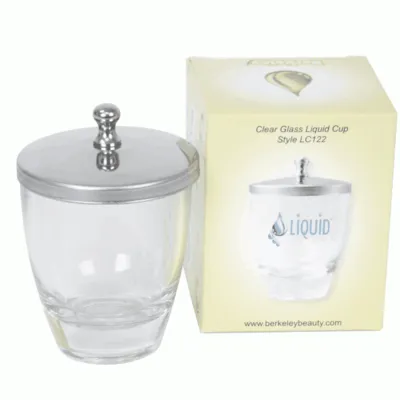
Glass - Liquid Cup With Stainless Steel Lid - Clear - LC122
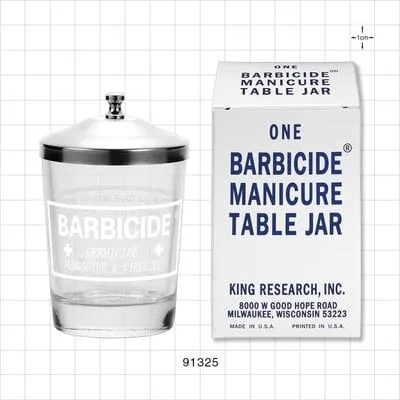
Manicure Table Jar - Small
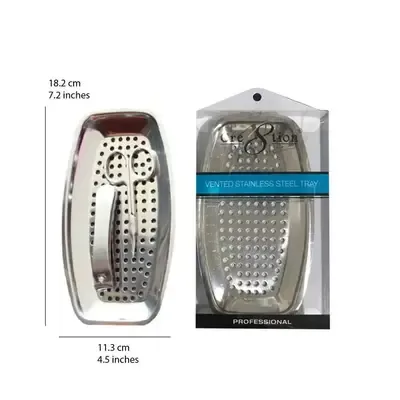
Vented Stainless Steel Tray - Large
Sterilizer Utility Tray - 14"x10.5" - Stainless Steel
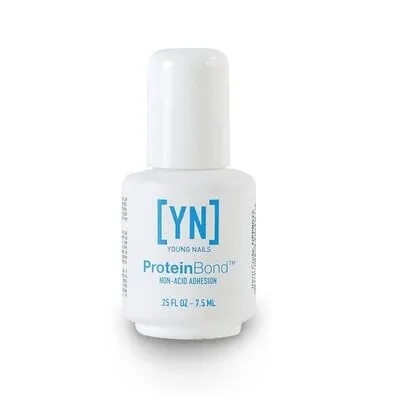
Protein Bond - Primer - 0.50 fl oz
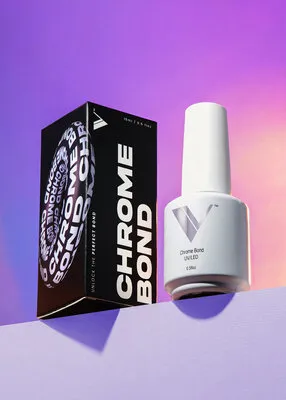
Chrome Bond
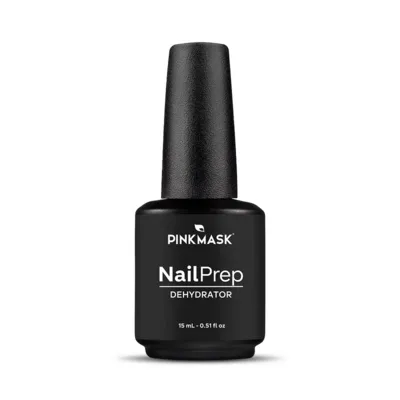
Nail Prep Dehydrator - 15 ml
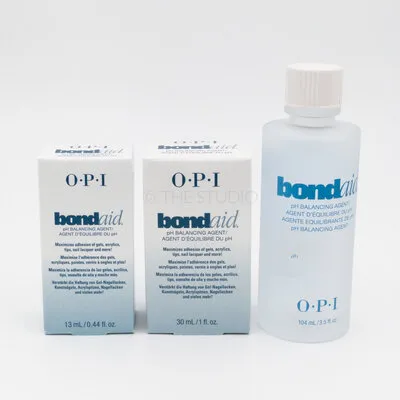
Bond Aid - pH Balancing Agent
Questions we get at the counter
Is green under gel nails mold?
Is green nail bacteria contagious?
Can I treat green nails at home?
How do I tell fungus from green bacteria?
How long does a green nail take to clear?
Should I remove the enhancement from a green nail?
Sources
- Bae et al., Green Nail Syndrome Treated with the Application of Tobramycin Eye Drop, Annals of Dermatology (2014)
- Chloronychia: Green Nail Syndrome Caused by Pseudomonas aeruginosa in a Younger Patient, Cureus (2025)
- American Academy of Dermatology, Nail fungus overview
- Florida Administrative Code Rule 61G5-20.002, Salon Requirements
- American Academy of Dermatology, Healthy nail tips