Is Nail Dust Dangerous? Dust Collectors, Masks and Ventilation for Nail Techs
What OSHA and NIOSH say about nail dust and fumes, which masks actually protect, how ventilated tables work, and the Florida salon ventilation rule.
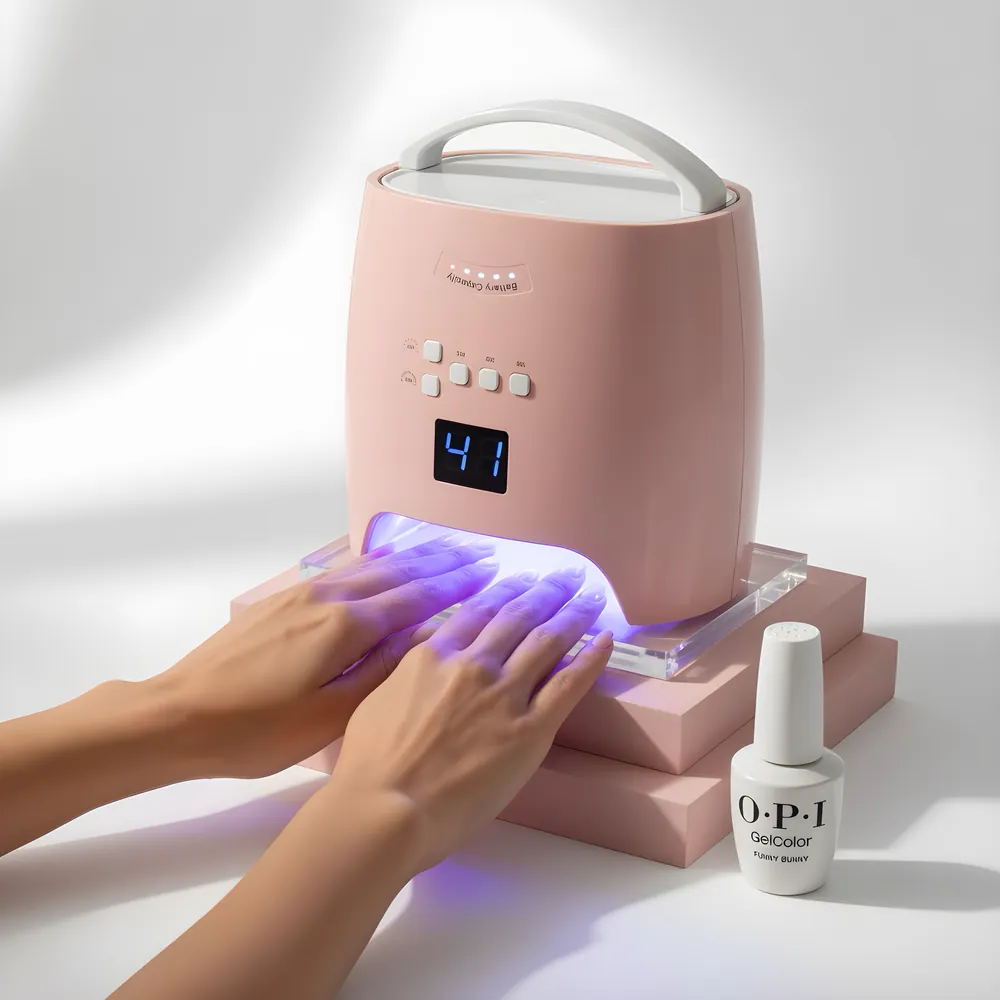
Nail dust is a respiratory and skin irritant, and the chemicals in nail products add up over a long workday. OSHA and NIOSH say the best protection is ventilation: a ventilated table or dust collector at the station plus exhaust or fresh air in the room, with an N95 for dust and goggles and gloves for splashes. A surgical mask does not protect you.
What is in nail dust and why it matters
Nail dust from filing, buffing and drilling is a mix of natural nail, gel, acrylic, dip powder and whatever was on the surface. Any of those particles can end up in the air at your station, on your skin and in your lungs.
OSHA states the exposure routes plainly: workers can breathe in vapors, dusts or mists, get product on their skin or in their eyes, or swallow it if it is accidentally transferred onto food or cigarettes. OSHA adds that exposures can "add up", especially when many products are used at the same time, products are used day after day, or the salon is poorly ventilated. Long workdays increase the total.
The CDC's NIOSH page for nail technicians lists possible effects of the chemicals in nail work as skin rash or contact dermatitis, eye, nose and throat irritation, asthma, neurological effects, reproductive problems and cancer. Common chemicals include acetone, dibutyl phthalate, ethyl acetate, formaldehyde, methacrylate compounds, toluene and triphenyl phosphate. Not every salon, product or person will be affected the same way, but the combination of dust and vapor over years is why agencies treat ventilation as a core control.
We did not find a source that gives a precise "safe dust level" for nail salons, so this article sticks to what the agencies recommend.
Which product fumes OSHA flags, in plain words
Dust is only half the picture. OSHA lists these chemicals and the effects it associates with them. Use it as a quick reference for what is in the air near your station.
| Chemical (where it is found) | Effects OSHA lists |
|---|---|
| Acetone (polish remover) | Headaches, dizziness, irritated eyes, skin and throat |
| Ethyl methacrylate, EMA (artificial nail liquid) | Asthma, irritated eyes, skin, nose and mouth, difficulty concentrating; exposure while pregnant may affect your child |
| Methyl methacrylate, MMA (artificial nail products, banned for use in many states) | Asthma, irritation, difficulty concentrating, loss of smell |
| Methacrylic acid (nail primer) | Skin burns and irritation; at higher concentrations, difficulty breathing |
| Formaldehyde (some polishes and hardeners) | Breathing difficulty, asthma-like attacks, allergic reactions, irritation; can cause cancer |
| Ethyl acetate (polish, remover, glue) | Irritation; high levels can cause fainting |
| Quaternary ammonium compounds (disinfectants) | Irritated skin and nose, may cause asthma |
OSHA points out that safety data sheets are the best place to find what is in a specific product, and that a "free of" claim on a label does not remove the need to read them. Its source material notes that a California study found a limited number of products claiming to be free of the "toxic trio" (toluene, formaldehyde and dibutyl phthalate) still tested positive for them.
The controls that work, in order
Safety professionals use a hierarchy of controls: remove or reduce the hazard first, then use engineering controls such as ventilation, then work practices, and use protective equipment as the last layer. NIOSH recommends applying this approach in salons. Here is how it looks at a nail station.
| Layer | What it is | What OSHA or NIOSH say |
|---|---|---|
| Safer products | Choose products with the least hazardous chemicals; read labels and safety data sheets | OSHA advises using the least hazardous products whenever possible, and reading labels and SDSs even for "free of" claims |
| Ventilation at the table | Ventilated (downdraft) table or portable dust collector | NIOSH recommends local exhaust ventilation at workstations; OSHA says to consider portable ventilation machines to remove dust and chemicals from the work area |
| Room ventilation | Exhaust fans, open doors and windows, HVAC on | OSHA: ventilation is the best way to lower chemicals in the air; NIOSH lab tests show exhaust systems may cut exposure by at least 50% |
| Work practices | Closed bottles, small amounts, metal lidded trash cans, hand washing | OSHA lists each of these |
| Protective gear | N95 for dust, goggles, gloves, long sleeves | OSHA and NIOSH recommend these as a last layer, not a substitute for ventilation |
Ventilated tables and dust collectors
A dust collector or ventilated table sits at the point where dust is created, so it pulls particles away before they reach your face. NIOSH calls this local exhaust ventilation and lists portable units that filter or exhaust air outdoors, and downdraft ventilated tables, as examples.
OSHA's upkeep advice for ventilated tables is specific and easy to follow:
- Make sure the ventilated tables are turned on.
- Change the charcoal filters at least once a month.
- Clean out the catch basin at least once a week.
A collector that is switched off or full of dust protects nobody. Put the filter change dates in your calendar.
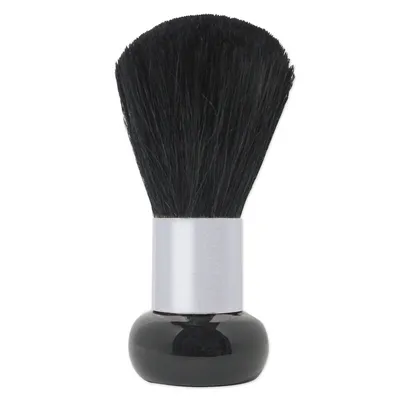
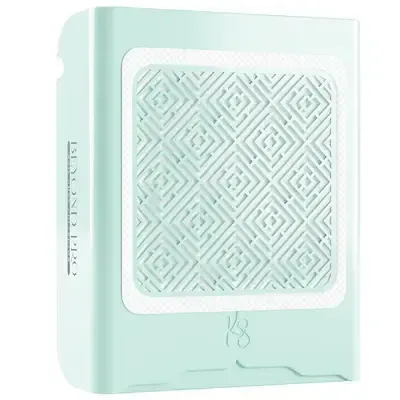
The Studio carries dust collectors, including 30W NAD collectors and Kiara Sky models, plus disposable replacement filters. Choose a model that sits close to the client's fingertips, because the further away from the dust source, the less it captures. Pair it with a dust brush to clear what the collector misses before you apply product.
Which mask protects you, and which does not
OSHA's guidance is direct: do not use surgical masks. These masks, "even when stuffed with tissues", do not protect workers from breathing in gases, vapors or particulates.
| Type | Protects against | Notes from OSHA |
|---|---|---|
| Surgical or disposable face mask | Not designed for dust, vapors or gases | OSHA says not to use them as respiratory protection |
| NIOSH-approved N95 filtering facepiece | Particulates such as dust, viruses and germs; helpful when buffing, filing or using acrylic powder | Does not protect against vapors or gases; voluntary use comes with employer responsibilities (Appendix D of the Respiratory Protection Standard) |
| Half-facepiece elastomeric respirator with cartridges | Gases and vapors such as formaldehyde, for tasks like moving chemicals between bottles and cleaning large spills | Needs a respiratory protection program, training and fit testing |
OSHA also says that most work in a nail salon will not require respiratory protection if ventilation and work practices keep exposure to a minimum, but that employers must evaluate dust and vapor exposure. Workers may choose to wear a respirator while transferring chemicals or buffing and filing, and the employer's duties apply in that case.
The disposable face masks The Studio carries are 3-layer masks for hygiene. They are not respirators, so do not rely on them for dust or fumes. For N95 respirators, buy NIOSH-approved ones from a safety supplier. Small employers can get free help from OSHA's On-site Consultation Program.
The Florida salon rule on ventilation and dust
Florida's salon sanitation rule, Rule 61G5-20.002 of the Florida Administrative Code, says:
- Salons must be kept well ventilated.
- Walls, ceilings, furniture and equipment must be kept clean and free from dust.
- Nail extension or sculpturing services must be performed in a separate area that is adequately ventilated to safely disperse all resulting fumes.
The rule does not name equipment, so a ventilated table or collector is how most salons show they take it seriously. Ask the Florida DBPR or your salon inspector if you are unsure how the rule applies to your layout. This article is not legal advice.
Federal rules also apply. OSHA lists these standards for nail salons: ventilation (29 CFR 1910.94), air contaminants (1910.1000), hazard communication (1910.1200) and respiratory protection (1910.134). Hazard communication means you should have a safety data sheet for each hazardous product, kept where workers can reach it.
A daily routine that cuts dust exposure
- Turn on the exhaust, collector or ventilated table before the first client.
- Keep bottles closed and use only the amount of product you need.
- File and buff with the collector close to the nail, and let it run for a moment after each pass.
- Brush the nail with a dust brush rather than blowing on it.
- Wash hands before and after each client and before eating or drinking. OSHA advises not to store or eat food in work areas.
- Wear a NIOSH-approved N95 when you do a lot of filing, and goggles and gloves when transferring chemicals.
- Wear long sleeves and knee-length bottoms to protect skin from dusts, per OSHA.
- Use metal trash cans with self-closing lids for soaked cotton, and empty them every day.
- Change charcoal filters monthly, clean the catch basin weekly, and have the HVAC cleaned and its filters replaced at least once a year.
- If the salon smells strongly of chemicals or you feel headachy or dizzy, stop and open up the space. Report the symptoms to your employer and doctor.
When to see a doctor
OSHA says workers should report health problems they think are from the products they use to their employer and their doctor, and that employers must follow up. See a doctor if you have a cough or wheeze that gets worse at work and better on days off, a rash on your hands or arms that does not clear, nosebleeds, ongoing headaches or dizziness at work, or if you are pregnant and worried about chemicals. Tell the doctor what you do and which products you use. Bring safety data sheets if you can. For more on skin problems, read hand dermatitis in nail techs, and for pregnancy see nails during pregnancy.
Shop what's in this guide
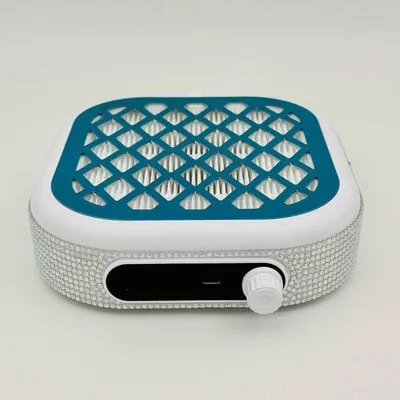
NAD - Nail Dust Collector - 30W - White AB Rhinestone
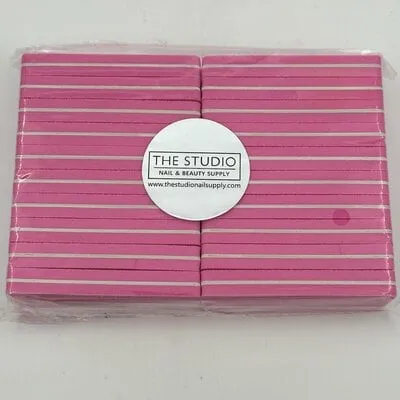
Small File Buffer - 100/180 - Pink - 20 ct
 Sale
Beyond Pro Nail Dust Collector - Teal
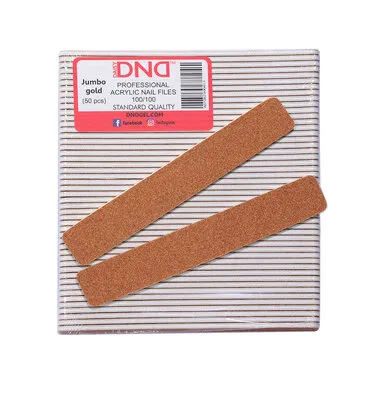
Nail Files - Rectangle - 100/100 - Jumbo Gold - 50 count
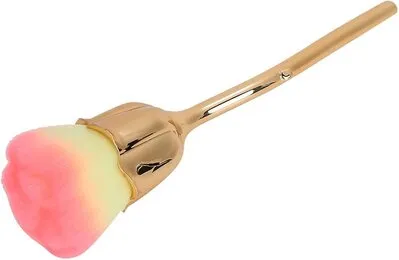
Rose Dust Brush - Orange/ Yellow
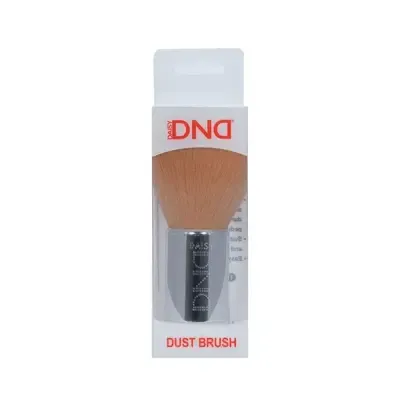
Dust Brush - XL - White
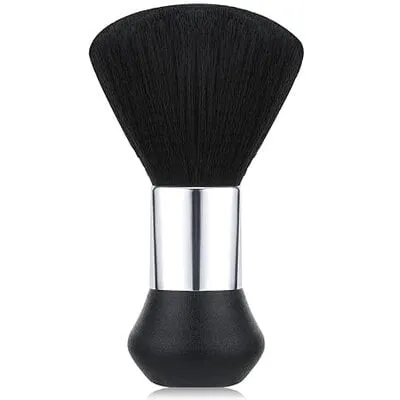
Dust Brush - Medium - Black