Dip powder vs gel nails: UV, wear, removal and allergy compared
Dip vs gel side by side: UV lamps, wear time, removal, allergy risk and nail health, using dermatology and university sources.
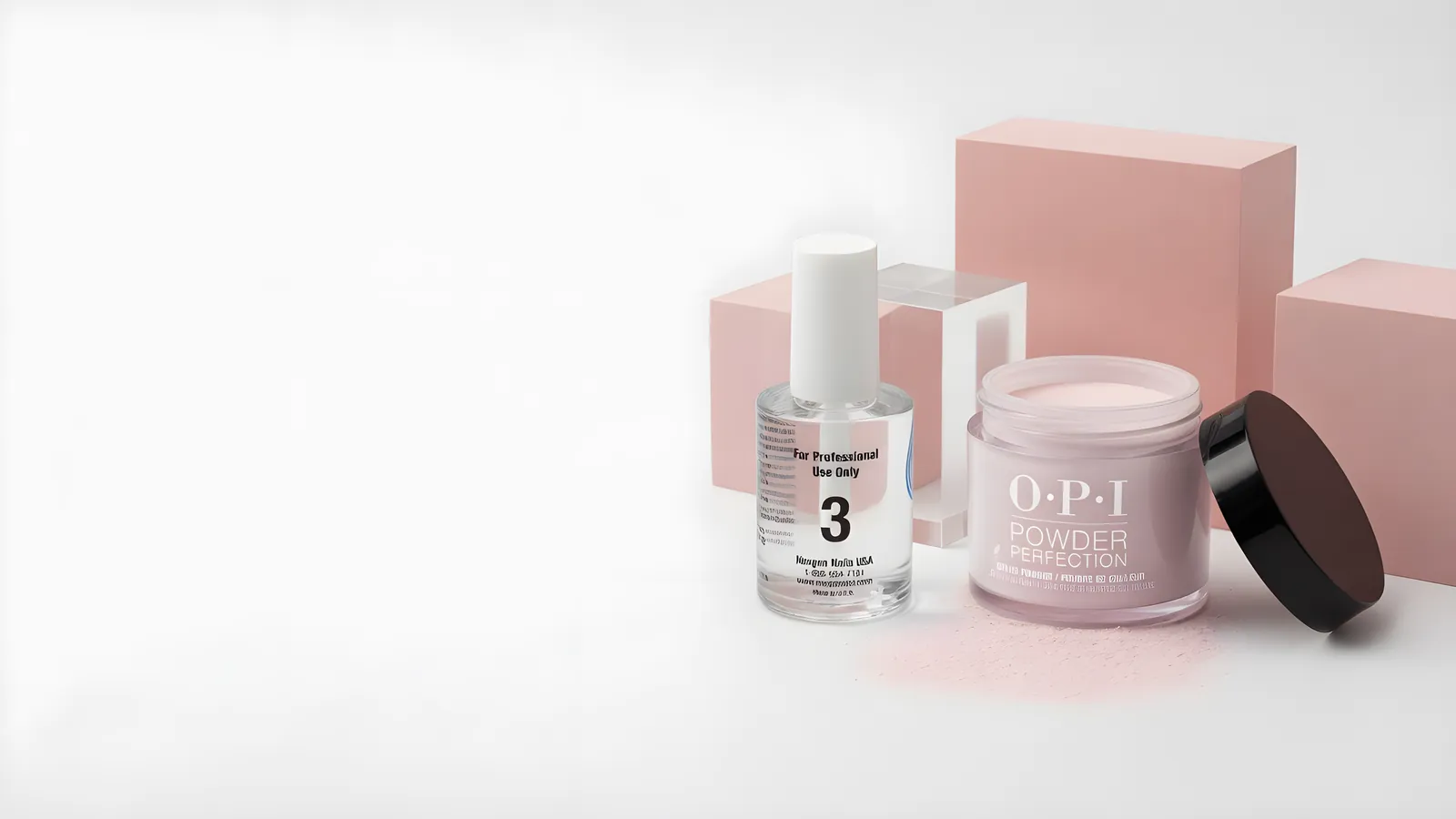
Dip powder hardens with an activator and needs no UV or LED lamp. Gel needs a lamp, which the AAD links to skin aging and skin cancer risk with repeated use. Both need acetone to come off and both can cause allergy, so choose by lamp exposure, thickness and removal time.
Quick verdict: dip vs gel
Dip hardens with a chemical activator and needs no lamp. Gel stays soft until a UV or LED lamp cures it. That one difference drives almost everything else: UV exposure, how fast the service goes, how the finish looks, and how each one comes off.
| Dip powder | Gel polish | |
|---|---|---|
| How it hardens | Activator (chemical) | UV or LED lamp |
| UV exposure | None | Yes, per cure |
| Look | Thicker, built from layers of powder | Thin, glossy, flexible |
| Wear | OPI states 2+ weeks; the AAD says up to four weeks chip-free | Depends on brand and prep |
| Removal | File first, then 100% acetone soak | Acetone soak, about 15 minutes with the foil method (AAD) |
| Hygiene watch-out | Shared powder jars | Tools and brushes |
| Allergy source | Adhesives (AAD) | Acrylate-type ingredients in gel |
Neither is "healthy". Both need acetone to come off, and both can cause allergy. Cleveland Clinic says plain nail polish generally causes the least harm. If you wear enhancements, the choices below cut the risk.
How each one works
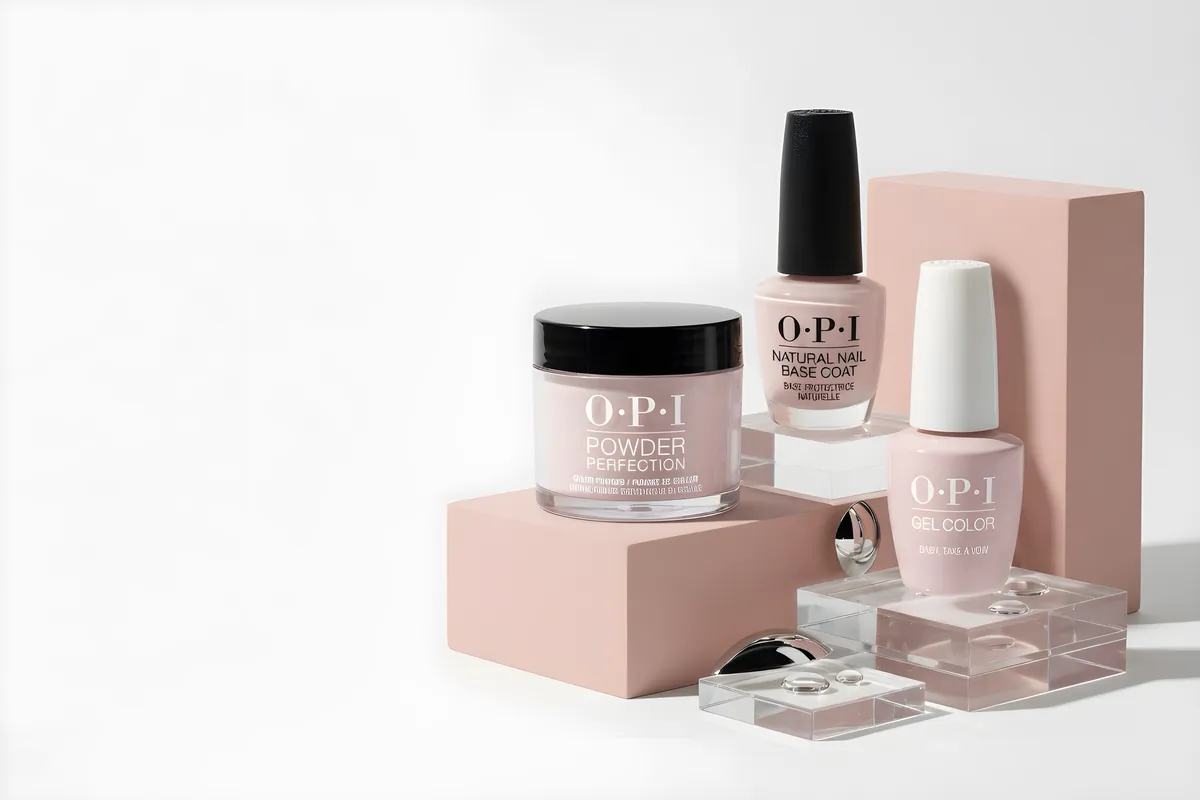
Dip: a resin base coat, a colored powder and an activator. An exam-prep guide for nail techs describes the base as commonly a cyanoacrylate-type resin that sets in the presence of moisture. OPI says its activator speeds the cure of the base on the dipping powders and starts the reaction with the top coat. The stack hardens in minutes with no lamp. Full steps are in the dip powder guide.
Gel: a thin layer of gel polish that stays soft until it is cured. Cleveland Clinic describes it as applied in two or three coats and cured under UV or LED light. It is thin and flexible, and it can be built thicker with builder gels (see builder and solid gels).
The AAD also notes that gel needs "ultraviolet radiation" to seal the polish to the nail, which is why the AAD discusses sunscreen and gloves for gel clients.
The UV question
Gel cures under a lamp. The AAD says repeated use of UV light for gel manicures can raise the risk of skin cancer and premature aging of the hands, and advises SPF 30 or higher broad-spectrum, water-resistant sunscreen on the hands, or dark, opaque gloves with the fingertips cut off.
A 2023 study from UC San Diego in Nature Communications exposed human and mouse cells in dishes to UV nail dryer light. One 20-minute session killed about 20 to 30 percent of cells. Three consecutive 20-minute exposures killed about 65 to 70 percent. The cells that survived showed DNA damage, some of it not repaired, and more mutations whose patterns resemble those in skin cancer patients, including melanoma. The researchers note this was done in cells, not people. They also say a long-term study of at least a decade would be needed to know the real risk, and that occasional use, such as one manicure a year, is not clearly a concern.
Dip skips all of that. Cleveland Clinic names the absence of UV as a benefit of dip. If you do wear gel, choose LED over UV-only lamps (Cleveland Clinic suggests this too) and protect your hands. Our gel lamps are on the shelf for techs and DIY users; check the lamp's wavelength and instructions for the gel you use.
Removal and nail health
Both come off with acetone, and in both cases the damage comes from the way it is removed. For dip, the AAD says 100% acetone is required, and Dr. Lipner says monthly dip is not dangerous in itself, the risk is mainly in removal. For gel, the AAD says gel manicures can cause brittleness, peeling and cracking, and advises not to peel or pick at chipped gel.
Dip typically means more filing before the soak because the stack is thicker. Gel is thinner and usually dissolves sooner. If you are removing dip, read how to remove dip powder at home.
Break rules from the AAD:
- After removing dip color, wait a month before the next gel or dip set. Regular polish is fine in between.
- After gel, take a polish break of one to two weeks or longer.
- Moisturize nails and cuticles several times a day. The AAD suggests petroleum jelly.
Allergy and sensitivity
Both types can cause allergic reactions. The AAD names adhesives as the main allergy culprit in dip, with signs such as swelling, itching or discolored skin around the nail, fluid-filled bumps and a lifting nail, appearing hours to days later. DermNet describes the same pattern with methacrylate products, and notes that sensitized people often react on the face and neck.
If you are allergic, you may not be able to wear dip or standard gel. Our HEMA TPO free range removes two ingredients known as common triggers, but it does not guarantee you will not react to something else. Ask a dermatologist for patch testing if you have had a reaction.
For a first dip service, the AAD's one-nail test applies. Do one nail, wait 7 days, and watch for any reaction before doing the full set.
Which lasts longer and looks better?
OPI states 2+ weeks of wear for Powder Perfection, and the AAD says dip can stay chip-free for up to four weeks. Those are manufacturer and dermatologist figures for a well-prepped set, not guarantees. Wear time for either product depends on prep, thin layers, capping the free edge and what your hands do every day. Troubleshooting is in why dip powder chips and lifts.
In looks, gel gives a thin, glossy, flexible finish with a huge range of colors and effects (see gel colors). Dip builds a thicker, stronger layer that suits people who bite or pick their nails, since the AAD notes the color cannot be picked off. The cost is bulk, which some people find heavy, and a slightly longer removal because the stack must be filed down before the acetone soak.
Which suits which client
| Client | Better fit | Why |
|---|---|---|
| Wants no UV exposure | Dip | No lamp is needed (OPI). The AAD links repeated UV nail lamp use to skin aging and cancer risk. |
| Bites or picks nails | Dip | The AAD notes the color cannot be picked off. |
| Wants a thin, natural look | Gel | Gel is applied in two or three thin coats (Cleveland Clinic). |
| Wants cat eye, chrome or jelly effects | Gel | Those effects are sold in gel form. See cat eye gels. |
| Has had a reaction to nail products | See a dermatologist first | DermNet describes methacrylate allergy that can reach the face and cause nail lifting. |
| Needs length | Tips or builder system | Dip alone is not an extension product. Exam-prep guidance says to use a tip or sculpted system for significant length. |
What about Gel-X and builder gel?
Gel-X and builder gel are both gel products, so they need a lamp like any gel. They also solve a different problem than dip does: length and shape. Soft gel tips (Gel-X style) give you an extension without using a form, and builder gel gives you a strong, thick overlay with a flexible finish. If strength on a natural nail is the goal and you want no lamp, dip is the classic answer. If length with a lamp is fine, browse Gel-X and builder and solid gels.
The removal rule is the same across all of them: do not peel. Soak or file as directed, and give nails a break. If you have a mix of products on your hands from different services, read the label on each before choosing a remover.
For techs: stocking both
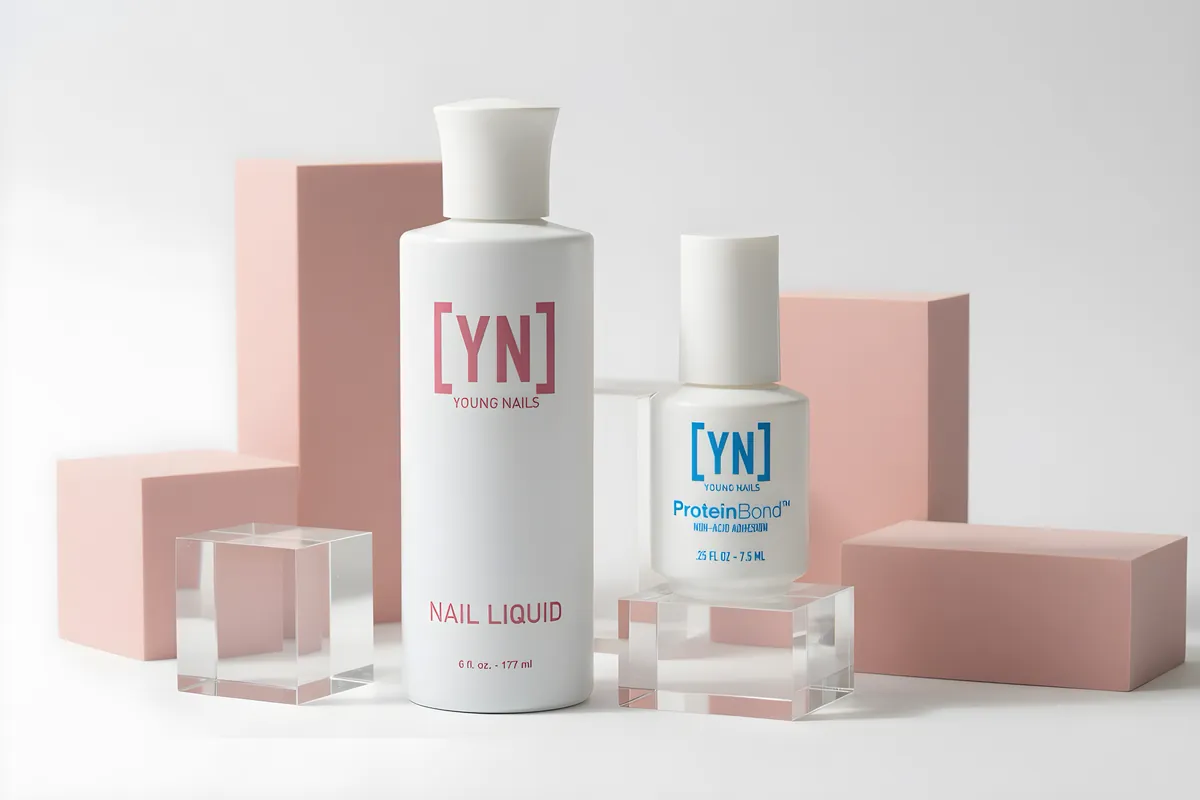
Most salons that offer both services stock a dip line (liquids plus powder), a gel line with a lamp, and a shared set of files, buffers and cuticle oils. Keep the dip liquids and gel bottles clearly separated, since mixing a dip activator into a gel bottle or the reverse ruins both. Our dip liquids and gel systems categories list each line.
How to choose
- Choose dip if you want to avoid UV, you want extra strength on short natural nails, or you are hard on your nails.
- Choose gel if you want a thin natural look, many finishes (cat eye, chrome, jelly) or quick removal, and you will use LED and protect your hands.
- Choose plain polish if your nails are already damaged or you react to enhancements. Cleveland Clinic says polish generally causes the least harm.
- Choose neither for now if you see any nail change. The AAD says to leave nails bare for 2 to 4 weeks and see a dermatologist if a problem lasts beyond 4 weeks.
For tech-side comparisons between dip and acrylic, see dip powder vs acrylic. For hygiene see is dip powder sanitary.
Shop what's in this guide
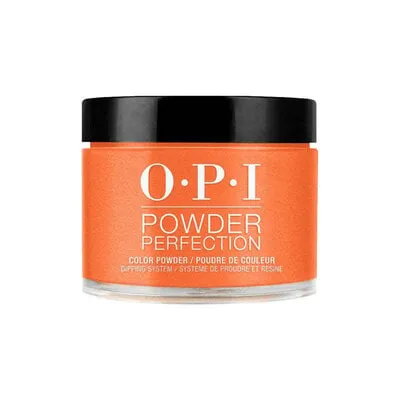
S084 - Dip - Your Zestination Awaits - 1.5 oz
Nails - C34 - Seattle - 2 oz
Dip Powder - White
DL - Disposable Dip Trays - 25 Ct - DL-C485
M92 - Intelli-Gel - Mi Casa Es Blue Casa
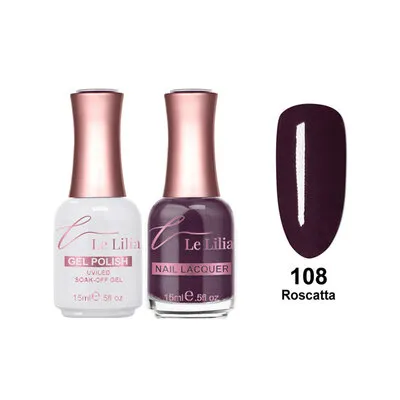
108 - Roscatta - Gel - 0.5 oz
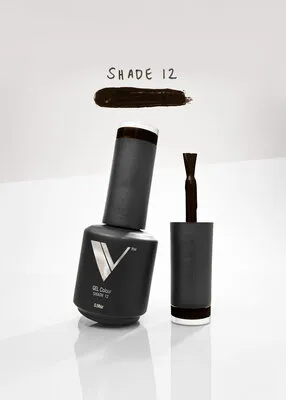
Gel Polish - Foundation Shade 12
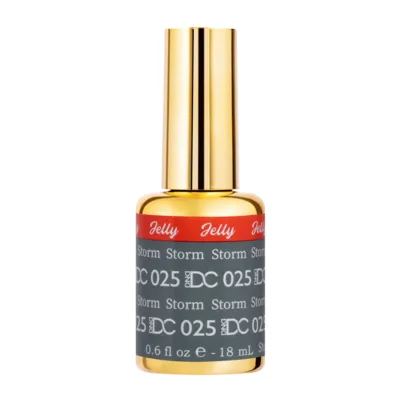
Jelly - 025 - Storm
Questions we get at the counter
Is dip powder better than gel?
Does dip powder need a UV or LED lamp?
Which lasts longer, dip or gel?
Is dip or gel worse for your nails?
Is dip powder safer than gel?
Which is easier to remove?
Sources
- Dip powder manicure: what to know, American Academy of Dermatology
- Gel manicures: how to protect your nails and skin, American Academy of Dermatology
- UV-emitting nail polish dryers damage DNA and cause mutations in cells, UC San Diego
- Dip powder nails: pros and cons, Cleveland Clinic
- Nail cosmetics allergy, DermNet