Is dip powder sanitary? Pour vs dip, allergy and nail damage
Is dip unsanitary or bad for nails? The pour-not-dip rule, what a clean Florida salon does, allergy signs and a one-nail test, with sources.
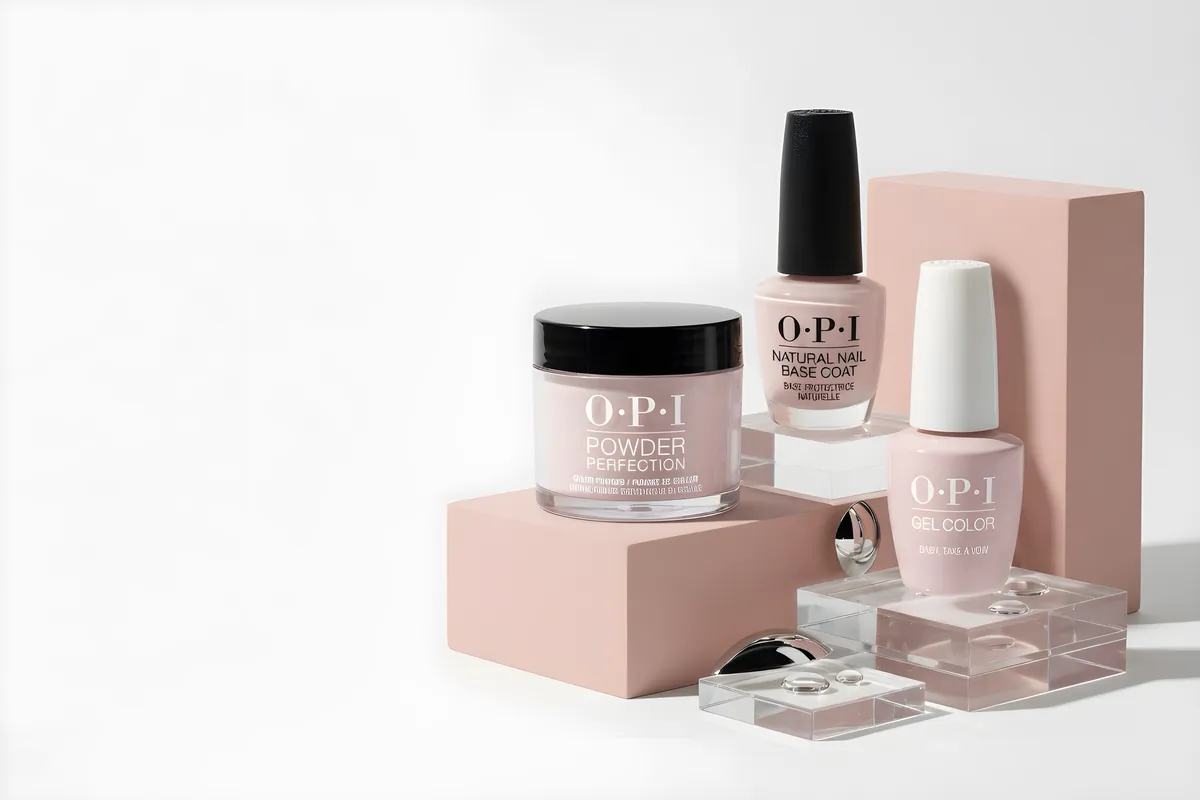
Dip powder is sanitary when the powder is poured or sprinkled and then thrown away, not when fingers are dipped into a shared jar. The AAD warns that double dipping can spread germs, and also names adhesive allergy and acetone removal as the other risks.
Short verdict: dip is clean when the powder is poured
Dip powder is not unsanitary by nature. The problem is one habit: dipping a finger into a jar that other people have already dipped into. The AAD calls this double dipping and says it can spread bacteria and other germs, including those from a nail infection or a wart. When the powder is poured or sprinkled instead, the risk of passing anything between clients mostly goes away.
Dermatologists also say most people wear dip powder nails without problems. A Cleveland Clinic article makes the same point about shared jars and says you can ask the tech to sprinkle powder on your nails. Nail scientist Doug Schoon told NBC 6 South Florida that dipping a client's finger into powder other clients also use is wrong, and that he recommends pouring or sprinkling and discarding any powder that has touched skin.
The rest of this guide covers how to tell if your salon does it right, what else matters for hygiene, and the other safety questions people ask about dip: allergy and nail damage.
Which application methods are safe
| Method | Safe? | Why |
|---|---|---|
| Finger dipped into the main jar | No | Skin and base coat contaminate the powder for the next client (AAD, Schoon) |
| Powder poured into a small disposable cup, finger dipped in the cup, cup thrown away | Yes | OPI: pour fresh powder into a small plastic cup and dispose of it after each client |
| Powder poured onto the nail from the jar over a tray | Yes | The jar never touches skin, so it stays clean. Used powder in the tray is discarded. |
| Sprinkled with a spoon or brush | Yes | The AAD lists sprinkling from the original container as an accepted method |
| Excess powder poured back into the jar | No | The Washington exam-prep guide says never to dump used powder back into the bulk |
The AAD's advice for clients is to ask your technician beforehand how the powders will be applied. A good salon expects the question.
What a clean salon does besides pouring
Pouring powder is only one part of a clean service. Check these as well.
- Tools are disinfected between clients. Florida's salon rule, Fla. Admin. Code 61G5-20.002(3)(c), says a brush or other tool may not be used on multiple patrons without disinfecting it. Rule (3)(d) requires a hospital-level or EPA-approved disinfectant, used per the manufacturer's directions, and (3)(d)2 says to clean tools with soap and water before immersing or wiping with disinfectant. Disinfected tools are kept in a clean, closed cabinet or container.
- Files and buffers are new or single-use. The Washington exam-prep guide says porous files and buffers used on dip are single-use unless the manufacturer approved them for disinfection.
- Brushes are not redipped. The same guide says applicators shall not be redipped, and that containers should be closed and labeled.
- The tech looks at your nails first. A good tech will not cover a nail with visible signs of infection, wet or discolored areas, or open sores. Colored powder is not an antifungal.
- The station is ventilated. Activator can produce vapor. Florida rule 61G5-20.002(2)(c)1 requires nail services in a separate, adequately ventilated area.
If you are a tech who wants disposable cups, trays and disinfectants on one list, browse disinfectants and sterilizers and containers, jars and storage. We also carry DL disposable dip trays. For the full application walkthrough see the dip powder guide.
Allergy: the more likely risk than infection
The AAD says the adhesives in dip are the main allergy culprit. A reaction can start hours to days after the manicure. Watch for swelling, itching or discolored skin around the nail, fluid-filled bumps on the surrounding skin and a lifting nail.
DermNet adds that reactions to acrylates and methacrylates often appear away from the nails, around the eyelids, ears, mouth, chin and neck, because people touch their face with their hands. It also notes that patch testing is how a dermatologist diagnoses an allergy.
The AAD recommends a one-nail test for anyone new to dip:
- Have one nail done with dip and paint the rest with regular polish.
- Wait 7 days.
- No reaction: you can have the full set.
- Reaction: remove the dip color as soon as possible, let the skin heal, and avoid dip afterwards.
- A reaction that lasts 2 to 4 weeks needs a board-certified dermatologist.
Is dip powder bad for your nails?
Wearing dip is not what hurts nails. Dr. Lipner, quoted by the AAD, says applying dip powder monthly is not dangerous in itself and the damage risk comes mainly from removal. Acetone is the reason: the AAD says 100% acetone is required for removal and that it can peel away layers and thin nails over time, and irritate surrounding skin.
There are other points that contribute:
- Heavy buffing. Cleveland Clinic says heavy buffing and filing, which helps product stick, may weaken nails over time and make them more prone to breakage. Buff lightly.
- Cuticle work. The AAD says cutting or pushing back cuticles can lead to a serious infection. Ask your tech to leave them alone and use oil or petroleum jelly instead if they are dry.
- Back-to-back sets. The AAD suggests waiting a month after removing color before the next gel or dip set. Regular polish is fine in that month.
- Picking and peeling. Do not. It takes layers of nail with it. See how to remove dip powder at home.
The AAD also says a durable manicure like dip may help people who bite or pick their nails, since the color cannot be picked off.
What is in dip and what to know
Dip systems contain a resin base, a colored powder, an activator and a top coat. OPI's Powder Perfection top coat page lists ethyl cyanoacrylate, polymethyl methacrylate and hydroquinone as ingredients. Cleveland Clinic says dips may contain methyl methacrylate and other irritants such as ethyl methacrylate and toluene, and that methyl methacrylate is banned in many states. The FDA's nail care page explains that it pulled 100% MMA monomer products in the 1970s and that no regulation specifically prohibits MMA monomer in cosmetics.
The exam-prep guide for techs notes that activators can produce vapors and sensitize, so ventilate and keep resin and powder off living skin. For a client the practical step is simple: ask for a ventilated station and tell the tech if you have any history of nail product allergy.
No UV lamp is a plus for dip. The AAD links repeated UV nail lamp use to skin aging and skin cancer risk, and a 2023 UC San Diego study in Nature Communications found UV nail dryers damaged DNA in cells in a dish. That study was in cells, not people. See dip powder vs gel.
Who should skip dip, or talk to a doctor first
- Anyone who reacted to an artificial nail or gel before. DermNet describes methacrylate allergy from nail products, including nail lifting, skin reactions away from the nails and, rarely, nail loss. Dip uses related adhesive chemistry, so ask a dermatologist before trying it.
- Anyone with a nail that looks infected, thickened, discolored, wet or painful. Do not cover it. The AAD says to leave nails bare and see a board-certified dermatologist if a problem remains after 4 weeks. Covering a nail problem with powder hides what a doctor needs to see.
- People with open cuts or broken skin around the nail. Adhesive on broken skin is a bad idea. Let the skin heal first.
- Anyone who cannot get a ventilated station. Activators produce vapor. If you cannot ventilate, do the service elsewhere.
For everyone else, the AAD's overall message is reassuring: most people wear dip with no problem, and a few sensible habits cover the risks.
At home on yourself
The pour rule matters at home too, for a different reason. Your own fingers carry base coat, skin oil and moisture into the jar and turn powder to clumps. Use a clean cup each set, tip the leftover powder into the bin, and wash your hands and wipe the nails before starting. Keep your tools clean between sets. Our dip powder guide has the full steps, and lumpy dip fixes explains what dipping into the jar does to your product.
Questions to ask your technician
- "How do you apply the powder: pour, sprinkle or dip?"
- "Is the powder in the cup new for me?"
- "Are your files and buffers new, and are your tools disinfected between clients?"
- "Can you leave my cuticles alone and just clear the nail plate?"
- "Which brand of liquids and powders are you using?" (So you can tell your doctor if you react.)
If a tech dips your finger straight into a shared jar, you can politely ask them to pour instead. If they refuse, the service is not worth the risk.
Shop what's in this guide
S084 - Dip - Your Zestination Awaits - 1.5 oz
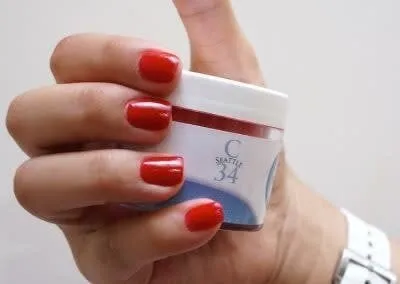
Nails - C34 - Seattle - 2 oz
Dip Powder - White
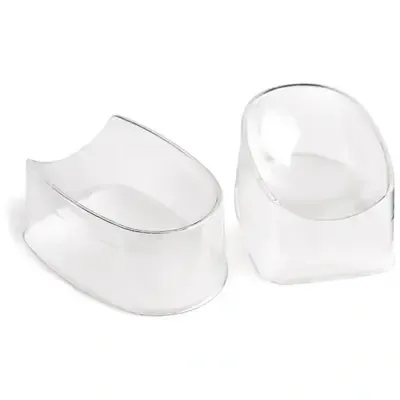
DL - Disposable Dip Trays - 25 Ct - DL-C485
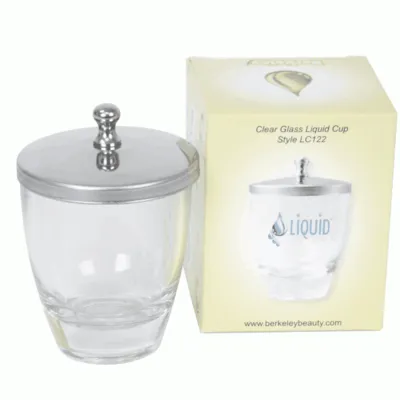
Glass - Liquid Cup With Stainless Steel Lid - Clear - LC122
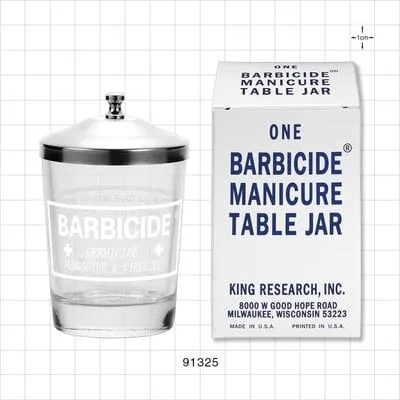
Manicure Table Jar - Small
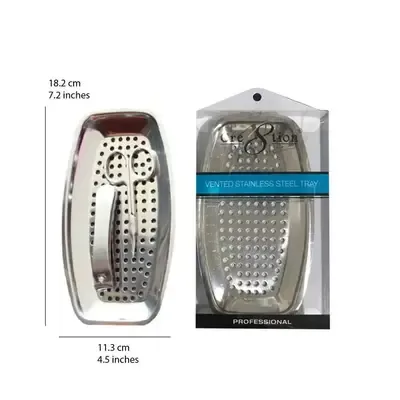
Vented Stainless Steel Tray - Large
Sterilizer Utility Tray - 14"x10.5" - Stainless Steel
Questions we get at the counter
Is dip powder sanitary?
What is double dipping in a dip manicure?
Is dip powder bad for your nails?
Can dip powder cause an allergic reaction?
Is dip safer than gel?
Should I let my tech push back my cuticles?
Sources
- Dip powder manicure: what to know, American Academy of Dermatology
- Why proper protocol is important with dipping powder manicures, OPI
- You could be risking an infection with nail dipping, NBC 6 South Florida
- Fla. Admin. Code R. 61G5-20.002 Salon Requirements, Cornell LII
- Dip powder nails: pros and cons, Cleveland Clinic