Why Is My Gel Polish Peeling Off? Causes and Fixes
Gel polish peeling in one sheet means it never bonded. Find your cause in the table: prep, flooded cuticles, edges, cure or old gel.
Gel polish that peels off in one piece never bonded to the nail. The usual causes are oil, shine or dust left on the plate, gel flooded onto the cuticle, an uncapped free edge, or under-cured gel. Fix the prep, thin the coats and match the lamp.
If it peels off in one sheet, it never bonded
Gel that comes off like a sticker did not fail in the middle. It failed at the bottom, where the base coat meets your nail. OPI's Geliversity lessons say skipping prep causes gel to lift, and that peeling usually means something that should not be on the nail is interfering with adhesion. That something is almost always oil, lotion, dust, leftover shine or cuticle skin.
Look at how it lifts and you can narrow down the cause quickly.
| How it peels | Most likely cause | Fix |
|---|---|---|
| Whole nail comes off in one piece within days | Poor prep: oil, shine, dust on the plate | Rebuild prep. Buff, cleanse, dehydrate. |
| Lifts first at the cuticle, with a gap you can slide under | Gel flooded onto the skin | Leave a hair of space. Clean the cuticle before curing. |
| Chips and peels at the free edge or tip | Edge not capped | Cap the free edge on every coat. |
| Lifts with a soft, rubbery layer underneath | Under-cured gel | Check lamp match and coat thickness. |
| Peels in sheets after soaking in water for long periods | Hands wet too long or harsh chemicals | Gloves for cleaning, cuticle oil after. |
| Only one finger lifts, over and over | That nail is oilier, curved, or you rush it | Extra prep on that nail. Thin base. |
Prep that actually fixes it
Prep is the most common reason gel peels. Oil is the enemy. You can feel clean and still have a film of natural oil, lotion or cuticle oil on the plate. Here is the order that works:
- Push back and clean the eponychium. Use a pusher to lift the thin skin film off the nail plate near the cuticle. Gel over this skin cannot bond, and as the skin moves, the gel lifts. See pushers.
- Remove shine. A light pass with a fine buffer takes the gloss off. Do not thin the nail. See files and buffers.
- Brush away dust. Dust left on the nail sits between the nail and the gel and acts like a barrier.
- Dehydrate. A nail dehydrator or prep wipes remove surface moisture and oil. Products like Gelish pH Bond, Pink Mask Nail Prep Dehydrator and Apres Gel X pH Bonder are in dehydrator, primer and bond.
- Primer if needed. On oily or flexible nails, a primer improves grip. Use only on the plate, not the skin.
- Do not touch the nail. Do not use lotion, oil or even touch the prepped plate until the base coat is cured.
Do cuticle oil last, after the top coat. If oil gets on the nail before the base, it can block adhesion.
Flooded cuticles and uncapped edges
OPI's Geliversity includes a lesson on why gel floods onto the skin and how to prevent it so the edge stays clean. Flooding happens when the coat is too heavy and self-levels onto the cuticle and sidewalls. Gel on skin cannot bond to anything. The edge lifts first, then peels, and the lifted edge catches on clothing and pulls up more gel.
Thin coats help, and so does placement. Start the brush a hair back from the cuticle and let the bristles push the gel up to the line instead of flooding it. If you see a bead of gel at the skin, wipe it with a clean brush or an orange wood stick before curing. Nothing cured onto skin will hold.
The free edge needs the opposite treatment. Run the brush along the tip of the nail and cover the edge with the base, each color and the top coat. This is called capping. Without it, daily wear chips the layers apart. Cap with a thin coat and avoid thick edges, which can chip.
OPI's GelColor steps mention capping the free edge on the base, color and top coat. Use the same habit with any brand.
Cure problems and thick coats
Gel that is not fully cured does not bond well. NailKnowledge says under-cured gel can stay partly liquid underneath while the surface looks set, and that it can lead to lifting. A mismatched lamp is a common culprit: gels respond to specific wavelengths, and a lamp outside that range may cure only the surface.
Thick coats cause the same problem and add pooling. Young Nails notes that thick layers block light and can create a heat spike. A heavy base coat self-levels onto the skin, which is another path to lifting at the edges.
If you have been peeling and your prep is clean, test the lamp and thickness. Our guide on gel that stays sticky shows the 10 second test, and how long to cure gel polish has typical times by step. If wrinkling shows up too, read the wrinkling guide.
Also check your bottle. Young Nails says gel becomes thick, sticky or separated when old, and can be contaminated by dust, oils or other products. Old gel does not bond or cure reliably. See does gel polish expire.
Daily habits that make gel peel
- Using nails as tools. Prying, scraping and opening cans create stress at the edge and lift it.
- Long soaks. Hot dish water, baths and pool time soften the nail and the seal. Wear gloves for cleaning and rinse chlorine off.
- Harsh cleaners and hand sanitizer on the nails. Alcohol and solvents can dull the top coat and work under the edge.
- Lotion on the nail plate before the manicure. Skip it the day of your appointment.
- Re-curing. Extra cure cycles do not help. OPI calls them manicure sabotage.
- Picking at lifted gel. The AAD says do not pick at polish or use other nails or tools to remove it. Book a removal instead.
Cuticle oil helps keep the skin and the nail flexible and reduces the dryness that makes edges lift. Choose from our cuticle oils, and use it after the top coat has cured.
Do not peel it off: what to do when it lifts
Peeling lifted gel feels satisfying and does damage. Dermatologist Alissa O'Brien, MD, cautions that picking, peeling, filing or biting off polish can remove the top layer of the nail along with the polish. The American Academy of Dermatology also says not to pick at gel polish and to book a removal appointment instead.
What to do:
- If a small piece lifts, trim or file the lifted edge flush. Seal the exposed edge with a thin layer of gel top coat if you have a lamp.
- If it is lifting broadly, remove the whole set with acetone. See how to remove gel polish at home.
- After removal, give nails a break. The AAD suggests skipping polish for one to two weeks or longer, and moisturizing nails and cuticles several times a day with petroleum jelly or another moisturizer.
If you see signs of infection, like redness, swelling, pus or pain around a lifted nail, see a doctor or dermatologist. Trapped moisture under lifted gel can cause problems, so do not leave a lifted nail for weeks.
Peel-proof checklist
- Clean the cuticle and eponychium.
- Buff lightly to remove shine, then brush off dust.
- Dehydrate and, if needed, prime the plate only.
- Thin base coat, edge capped, cured with a matched lamp.
- Two thin color coats, each capped and cured.
- Thin top coat, capped. Wipe if needed.
- Cuticle oil after everything has cured.
Products for each step are in gel base and top coats, dehydrator and primer and gel lamps.
Peeling, lifting and chipping are three different failures
People use these words loosely, but the cause is different for each, and the fix too.
- Lifting: the gel separates from the nail at one spot, usually the cuticle or sidewall, while the rest still sticks. Cause: adhesion at the edge, flooding or skin movement. Fix: cleaner cuticle work and thinner base.
- Peeling: a whole layer or the entire set comes away. Cause: no bond to the nail, most often prep, oil or an old bottle. Fix: rebuild prep.
- Chipping: small pieces break off at the free edge. Cause: uncapped edge, impact, or a thick top coat. Fix: cap the edge and thin the top coat.
This matters because a tech or a home user who blames the base coat for a chipping problem will keep changing products without fixing anything. Watch where the first failure appears and work back from there.
Hard cases: oily nails, short nails and toes
Some nails are harder to hold gel on, and they need extra care rather than a different product.
- Oily nails. Dehydrate twice, wait a minute for the surface to dry, and prime only the plate. Do not rely on one wipe.
- Short or bitten nails. There is less surface to bond to and more skin pushing up. Keep the cuticle area clean and cap the tiny free edge. Avoid thick base coats that will flood onto the skin.
- Toenails. They grow slowly, so gel can last for weeks, but they flex in shoes and get wet often. Use extra prep and cap the edge. Toenail polish also lifts if the area is not dried well after a shower.
- Curved or flexible nails. Apply the base thin and let the cure lock it before the next coat. A flexible nail can break the bond if the layers are thick.
If one nail keeps lifting while the others stay put, treat it as a prep problem. Re-cleanse that nail and its cuticle area and compare with the others. A small difference in oil or skin is usually the answer.
Shop what's in this guide
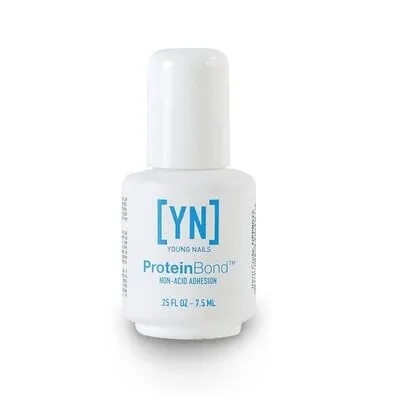
Protein Bond - Primer - 0.50 fl oz
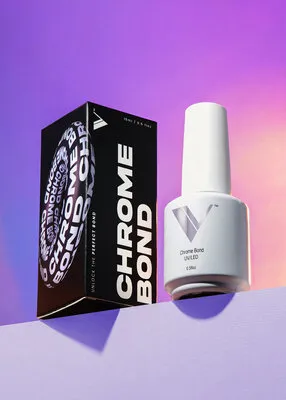
Chrome Bond
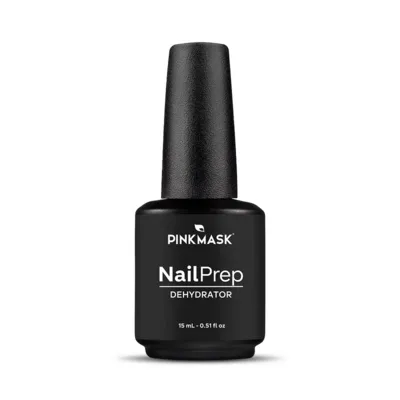
Nail Prep Dehydrator - 15 ml
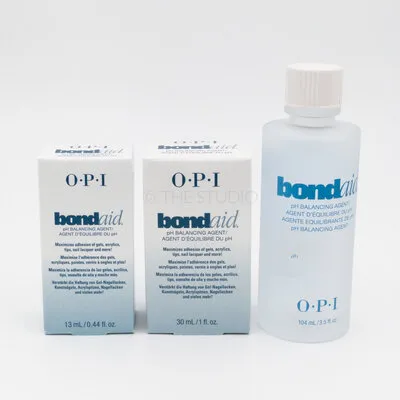
Bond Aid - pH Balancing Agent
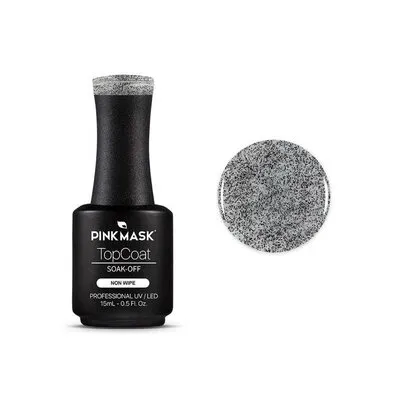
Gel Top Coat 020 - Matte Dots #2
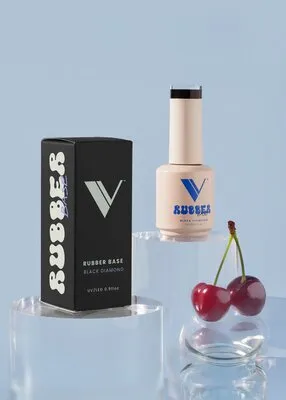
Gel - Rubber Base - Black Diamond
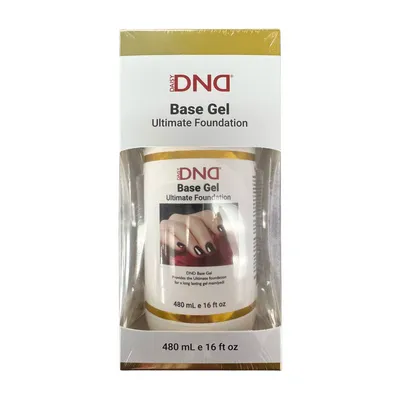
Base Gel - 8 oz
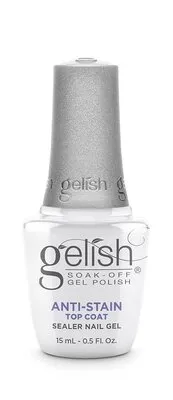
Anti-Stain Gel Top Coat
Questions we get at the counter
Why does my gel polish peel off after a few days?
Why does my gel polish peel at the tips?
Can a bad lamp cause gel to peel?
Should I peel off lifted gel?
Does hand lotion make gel peel?
Is peeling a sign of allergy?
Sources
- OPI: Geliversity at-home gel polish lessons
- American Academy of Dermatology: Gel manicures, tips for healthy nails
- NailKnowledge: Gel polish curing, lamp compatibility and common issues
- Young Nails: Why is my gel polish not curing?
- Dermatology practice (wederm.com), medical review by Alissa O'Brien, MD: How to remove gel nail polish at home