How to Remove Gel Polish at Home Without Damaging Your Nails
File the top coat, wrap acetone-soaked cotton on each nail for 10 to 15 minutes, wipe gently, never scrape. Steps, supplies and aftercare.
File through the shiny top coat, protect the skin with petroleum jelly, then wrap acetone-soaked cotton on each nail for about 10 to 15 minutes. Wipe the softened gel off gently and do not scrape or pick. Soak only your fingertips, never whole hands.
The gentle method in one view
Gel polish needs acetone to come off. The American Academy of Dermatology says acetone is needed to remove gel polish, and gives two ways to do it: soak only your fingertips, or place acetone-soaked cotton on each nail and wrap each fingertip in foil. The polish should come off after about 15 minutes. A dermatology practice's guide uses 100% acetone with plastic wrap and waits 10 minutes.
The common thread is protecting your skin and not scraping. Here is the whole method at a glance, then each step in detail.
| Step | What you do | Time |
|---|---|---|
| 1. Break the shine | Lightly file the top coat so acetone can get in | 1 minute |
| 2. Protect the skin | Petroleum jelly on skin around each nail | 2 minutes |
| 3. Wrap | Acetone-soaked cotton on the nail, wrapped snug | 10 to 15 minutes |
| 4. Remove | Wipe off softened gel gently, do not scrape | 2 minutes |
| 5. Repair | Wash, then cuticle oil and moisturizer | Daily for several days |
What you need
- 100% acetone. The practice guide specifically says 100% acetone, not standard remover or blends. We stock acetone and other removers.
- Cotton or lint-free wipes. Cut pads to the size of each nail so they cover only the nail. See our mani and pedi supplies and wipes.
- Plastic wrap or foil. The practice guide prefers plastic wrap because foil does not create a tight seal, and acetone can drip onto surfaces, clothing or skin.
- A fine file or buffer. To break the top coat. See files and buffers.
- Petroleum jelly. To protect the skin before and moisturize after.
- A pusher. To nudge softened gel, if needed. See pushers.
- Cuticle oil. For aftercare. Pick from cuticle oils.
- A towel and plastic sheet. Acetone can damage furniture, countertops and sinks.
Specialty gel removers are also on our shelves, such as Mini Mani Moo Gel No More and the Satin Edge gel remover pusher. Follow the maker's directions for any product that is not plain acetone.
Step by step
- Set up. Cover the table with plastic wrap and a towel. Open a window or work somewhere ventilated. The FDA advises good ventilation with nail products. Keep acetone away from flames and heat, since it is flammable.
- File lightly. Buff the shiny top coat until it turns dull. You are not filing off the color, only breaking the seal so acetone can reach the gel. Go gently so you do not file the natural nail.
- Protect the skin. Coat the skin around each nail, including the tops of the fingers near the nail, with petroleum jelly. Do not smear it on the nail.
- Soak the cotton. Cut pieces to fit each nail. Wet them with acetone until they are saturated, not dripping.
- Wrap. Place the cotton on the nail. Wrap each finger with plastic wrap, snug enough to seal but not so tight that it restricts circulation.
- Wait 10 to 15 minutes. The practice guide says 10 minutes with plastic wrap. The AAD says about 15 minutes with foil. Check one nail first, and if the gel is not lifting, rewrap for five more minutes.
- Remove the wraps. Wipe each nail with a washcloth soaked in warm water. The gel should slide off. If a stubborn patch remains, rewrap it instead of scraping.
- Wash. Clean hands with mild, fragrance-free soap.
- Repair. Apply petroleum jelly or cuticle oil to cuticles and surrounding skin daily for at least several days.
Do not soak whole fingers in a bowl of acetone. The AAD says to soak only your fingertips, and the practice guide warns that soaking whole fingers can irritate and damage the skin.
What not to do
- Do not pick, peel or bite. The AAD says not to pick at gel polish or use other nails or tools to remove it. A dermatologist cautions that this can remove the top layer of the nail along with the polish.
- Do not scrape hard. The practice guide says not to scrape with an orange stick, which can damage nails and cause white spots. Nudge only what has already lifted.
- Do not rush. If the gel is not lifting, it needs more time, not more force.
- Do not use an e-file on your own natural nails without training. Removal with a drill is a salon skill. Leave it to a licensed professional if you are not trained.
- Do not skip aftercare. Repeated acetone use can cause dryness, brittleness, peeling and cracking, according to the practice guide.
Skin sensitive to acetone shows red, swollen, itchy or flaking patches. If that happens, stop and see a doctor. The AAD suggests regular polish for people allergic to acetone or with recurring nail problems.
Toes, no-acetone methods and drills
Toes. The method is the same. Toenails are thicker and often slower to release, so allow the full time, work one foot at a time, and keep the foot raised on a towel so acetone does not run onto skin.
Without acetone. The AAD says acetone is needed to remove gel polish. Alternatives are slower, and a few "soak-off" products still rely on the same solvent action. If you are acetone sensitive, avoid gel manicures or switch to regular polish, as the AAD suggests. Peel-off polishes are a separate product type, not a way to remove gel.
Drills. E-files can remove gel quickly in trained hands. They are a way to cut the soak time in a salon, not a home tool. If you are a tech who removes sets for clients, see our e-file drills and bits at e-file drills and bits and bands, and follow your training.
Builder gel and Gel-X. These need different removal. Builder gel is thicker and is usually filed down before soaking. See our guides for each if you wear them.
Aftercare and how long to wait before the next set
After removal the nail looks dull and feels dry. That is normal. The AAD suggests skipping nail polish for one to two weeks or longer so nails can recover, and moisturizing nails and cuticles with petroleum jelly or another moisturizer several times a day to reduce brittleness and chipping.
Do not cut or push your cuticles hard. The AAD warns against letting anyone push or cut cuticles, since that can cause inflammation and infection. A light touch with a pusher and oil is enough.
If you wear gel often, the AAD recommends reserving gel manicures for special occasions to limit acetone and UV exposure, and protecting your hands from the lamp with SPF 30 or higher or fingerless gloves. Our LED vs UV lamp guide covers the research.
If your nails are thin, split or painful after repeated gel, see a board-certified dermatologist. Persistent changes in color, shape or texture are worth checking.
When the gel will not come off
| Problem | Likely cause | Fix |
|---|---|---|
| Gel stays hard after the full soak | Top coat seal not broken, or the acetone is weak or evaporated | File the surface dull again and rewrap with fresh, saturated cotton. |
| Gel softens at the edges only | Wrap is loose, so acetone is evaporating | Rewrap snugly with plastic wrap. |
| Gel lifts but leaves a rubbery film | Built-up layers, builder or base underneath | Rewrap five more minutes, then wipe. Do not scrape. |
| Skin turns white, dry or itchy | Acetone on skin | Stop, wash, moisturize. See a doctor if it persists. |
| Nail looks thin or white-spotted afterwards | Over-filing or scraping | Rest the nail and moisturize. Do not apply new gel until it recovers. |
| Pain or burning | Acetone reaching broken skin | Remove the wrap, wash with water, see a doctor if it continues. |
If you wear a gel with multiple layers, such as builder under color, expect it to take longer than a single polish set. Do not force it. Time and fresh acetone do the work.
Using acetone safely
Acetone does the job, and it needs respect. The practice guide notes it can damage furniture, countertops and sinks, so protect your surface. The FDA advises good ventilation when you use nail products, so work near an open window or a vent and keep the bottle closed between uses.
- Keep acetone away from flames, candles and hot surfaces. It is flammable.
- Keep bottles out of reach of children and pets.
- Do not use acetone on broken or irritated skin.
- Do not breathe fumes for long periods. Take a break outside if you feel dizzy or get a headache.
- Store acetone in a closed container. Pour only what you need into a small dish or soak the cotton from a pump bottle. We stock bottles and pumps for this.
If you remove sets for clients, wipe down the station between each person and ventilate the room. Keep a record of any client who reports a reaction, and see our other guides for salon rules.
Shop what's in this guide
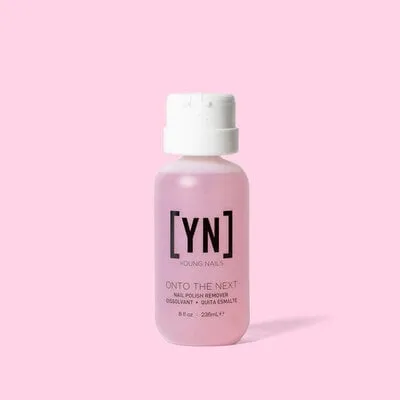
Onto The Next - 8 oz
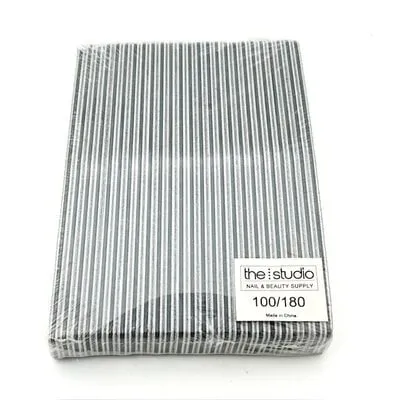
Files - Oval - 100/180 - Zebra/ Black - 25 Count
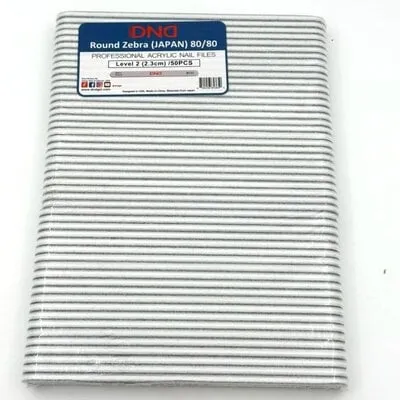
Nail Files - Round - 80/80 - Zebra - Japan - 50 count
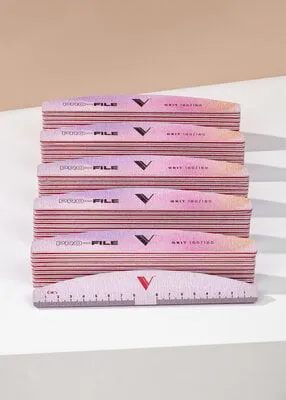
Files - 180/180 - Pink Halfmoon - 50 ct
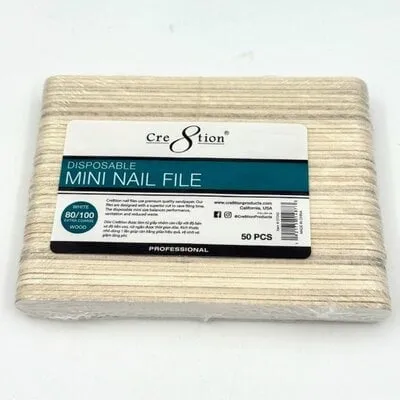
Mini Nail File - 80/100 - 50 count
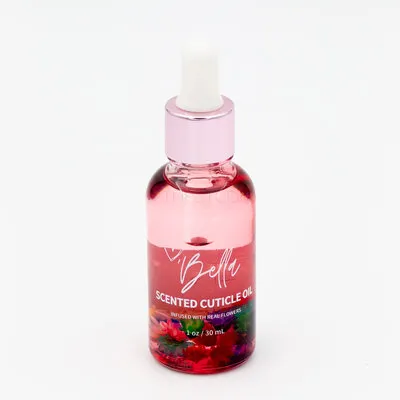
Cuticle Oil - Unscented - 1 fl oz
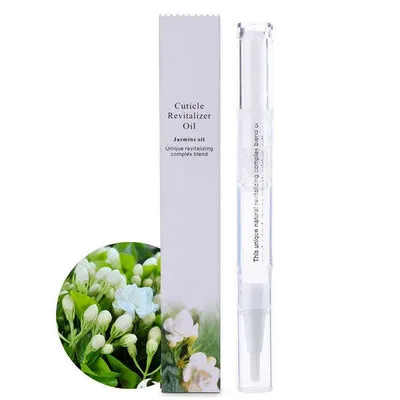
Cuticle Revitalizer Oil Pen - Jasmine