Gel Polish vs Regular Nail Polish: Wear, Health, Cost and Removal
Gel polish vs regular nail polish compared side by side: how each hardens, wear time, nail health, UV and allergy facts, removal, and which to choose.
Regular polish hardens by air-drying and comes off with remover. Gel polish hardens by curing under a lamp, lasts longer and needs acetone to remove, but can stress nails and brings UV and allergy considerations. Choose gel for wear time and regular polish for gentleness and cost.
The real difference: how each one hardens
Regular nail polish (lacquer) and gel polish are both colored coatings. The difference is how they turn from liquid to solid.
Regular polish hardens by drying. It is a film-forming resin dissolved in solvents. When you brush it on, the solvents evaporate and leave a hard film behind. FDA notes that toluene has been used as a solvent in nail polish, and that some polishes contain plasticizers such as phthalates, usually below 10%, to reduce cracking. The film stays soft for a while after it feels dry, which is why a dented manicure at the end of the day is so common.
Gel polish hardens by curing. It is a liquid blend of acrylate-based ingredients plus light-sensitive compounds called photoinitiators. Under an LED or UV lamp of the right wavelength, the photoinitiators start a reaction that links everything into a solid. Gel polish does not dry on its own. It stays wet in the open air until you cure it, and it is fully hard the moment it comes out of the lamp. Different gels respond to different wavelengths, so a lamp mismatch can leave the layers under-cured.
Everything else people notice, from wear time to removal to cost, follows from that one difference.
Gel polish vs regular polish side by side
| Regular polish | Gel polish | |
|---|---|---|
| Hardens by | Solvent evaporation (air-dry) | Curing under an LED/UV lamp |
| Needs a lamp | No | Yes |
| Ready to leave | After a wait. Surface can still dent for a while. | Immediately after the final cure |
| Wear | Shorter. Chips and dulls sooner. | Longer. Stays glossy. |
| Removal | Non-acetone or acetone remover and a cotton pad | Acetone soak (or e-file in a pro setting) |
| Startup cost | Low | Higher (lamp, base and top coat) |
| Nail health | Gentler | Can cause brittleness, peeling and cracking |
| UV exposure | None | Yes, from the lamp |
| Allergy risk | Low, but some people react to TSFR resin | Acrylate allergy can develop and is usually lifelong |
The "usually lifelong" note comes from the Danish Consumer Council's 2024 test of 70 gel polishes. FDA also says some people may become allergic to the formaldehyde resin (TSFR) found in some regular polishes, so neither option is risk-free.
What dermatologists say
The American Academy of Dermatology says gel manicures can be long-lasting but can be tough on nails. It links them to brittle, peeling and cracking nails, and says repeated gel manicures can raise the risk of skin cancer and premature skin aging on the hands because the lamps give off UV light. Its advice:
- Put a broad-spectrum, water-resistant sunscreen of SPF 30 or higher on your hands before the lamp, or wear dark gloves with the fingertips cut off.
- Don't pick or peel off chipped gel. Have it removed properly, soaking only the fingertips in acetone (or wrapped cotton balls and foil for about 15 minutes).
- Take a polish break of one to two weeks or longer between sets, and moisturize nails and cuticles several times a day.
- Think about regular polish if you have recurring nail problems or are allergic to acetone, and limit gel to special occasions.
For a deeper look at lamp safety, see our guide to UV and LED nail lamps, and for allergy signs see gel polish allergy.
Which should you choose?
Choose by situation, not by loyalty.
- Choose regular polish if you like changing colors often, have weak or damaged nails, are allergic to acetone, want zero UV exposure, or don't want to buy a lamp.
- Choose gel polish if you need a set to last, wear gloves or wash your hands all day, travel, or just hate waiting for polish to dry.
- Choose gel for toes if you want a pedicure to hold up in sandals and on the beach. Toenails grow slower than fingernails, so a gel set doesn't grow out as fast.
- Choose regular polish for kids and quick fixes. It is easy to remove and does not need a lamp.
If you are not sure, start with regular polish and a gel-effect top coat for a month, and see whether you miss the lamp. If chipping drives you crazy, upgrade to gel with a good base and top coat. A lamp and a few gel colors are a one-time purchase, and you can keep the same lacquer colors for your toes.
Techs often offer both. Regular lacquer is a faster service and costs less, and gel sells as the longer-lasting option. Our lacquer colors and gel colors pages cover both. Our duo sets pair a gel and a lacquer in the same shade, so a client can have gel on her hands and lacquer on her toes in one color.
Can regular polish look like gel?
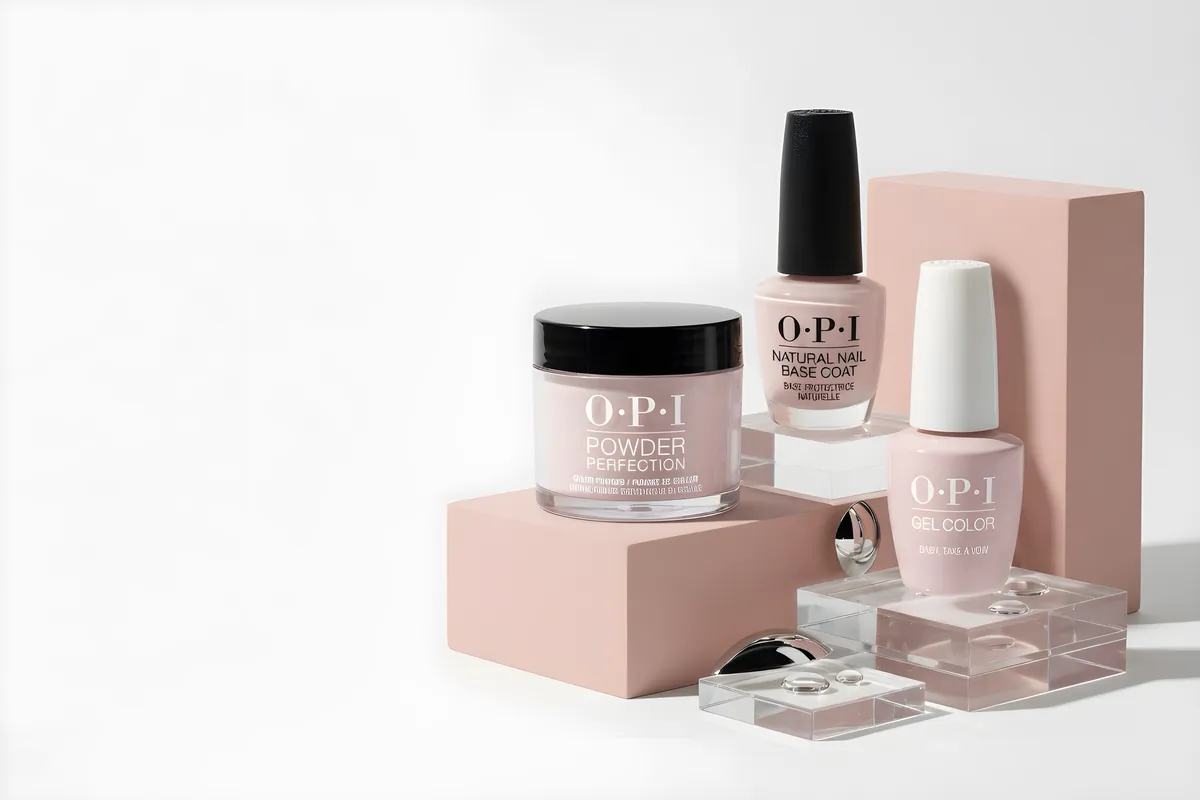
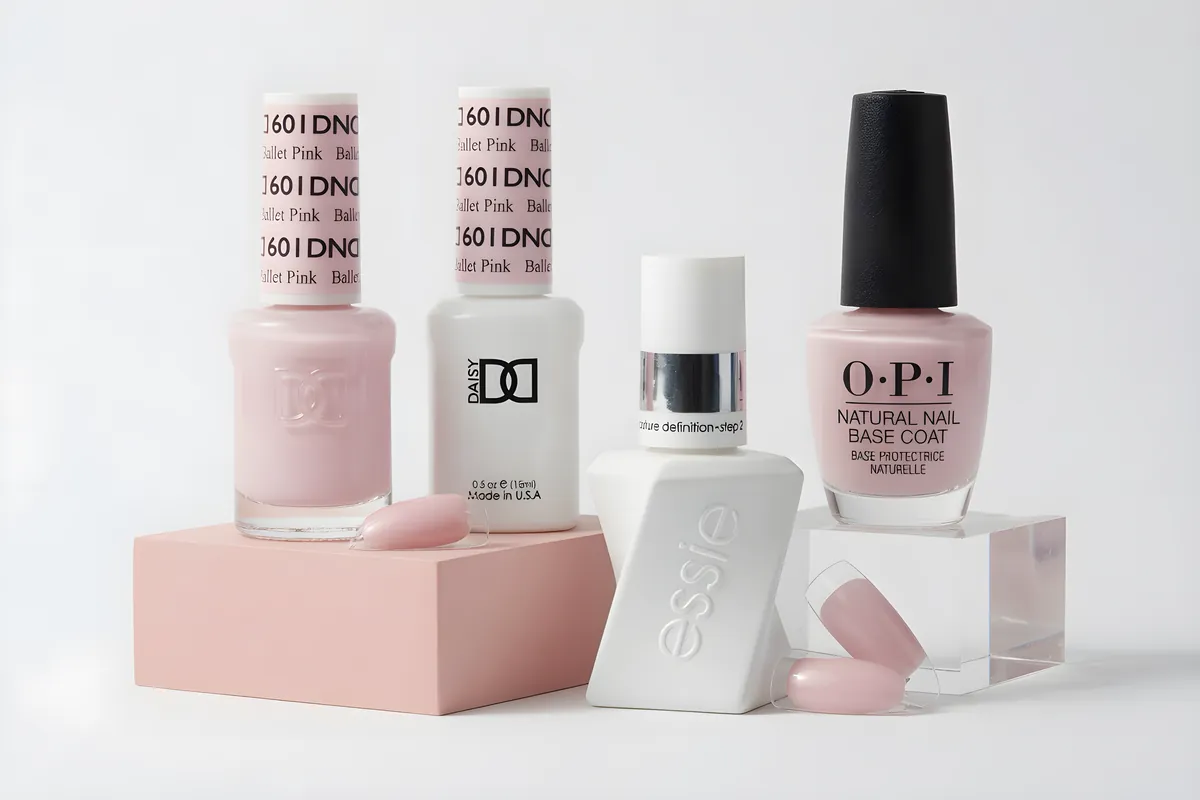
Partly. Some lacquers are made to give a gel-like finish without a lamp, using a base coat, color and a high-gloss top coat. OPI's Infinite Shine is a base, color and top coat system, and Essie sells a Gel Couture top coat. Makeup.com notes that Essie's Gel Couture top coat stays glossy for up to 14 days, and that Essie's Here to Stay base coat dries in under a minute.
These products shine and last better than a plain polish, but they still dry by evaporation, so they take longer to harden and can still dent. They also come off with regular remover. They are a good middle path for clients who dislike lamps. See our OPI vs DND vs Essie comparison.
Can you mix them?
You can put gel top coat over dry regular polish to get a glossier, longer-lasting finish. Let the polish dry completely first, because wet solvents trapped under a cured gel layer can cause bubbles or lifting. Don't go the other way: regular polish over cured gel lasts only as long as regular polish does, and it can peel as one sheet.
Application rules that apply to both
- Prep the nail. Remove oil and dust. OPI's gel lessons say that skipped prep is why gel lifts. Clean, oil-free nails help lacquer grip too.
- Use thin coats. Thick coats cause wrinkles in gel and slow drying and bubbles in lacquer.
- Cap the free edge. Run each layer over the tip with the brush.
- Keep color off the skin. Gel on skin raises allergy risk, and lacquer on skin makes the finish chip at the edge.
- Use a base coat and a top coat. They help the color stick and keep it glossy.
- Don't shake gel bottles hard and keep them out of light.
If you are applying gel at home, cure time and lamp match matter. If your regular polish is bubbling or staying soft, see our fix guide.
What you need to start with each
Regular polish
- A lacquer base coat and top coat
- Two or three lacquer colors from lacquer colors
- Remover and cotton pads
- A cuticle oil and a file
Gel polish
- A gel lamp that matches your gel (check the product label for UV or LED)
- A gel base coat and top coat, as no-wipe or wipe type
- Gel colors from gel colors
- Lint-free wipes and cleanser if your top coat needs wiping
- Acetone, cotton and foil for removal, plus a file and a buffer
- Sunscreen for the hands
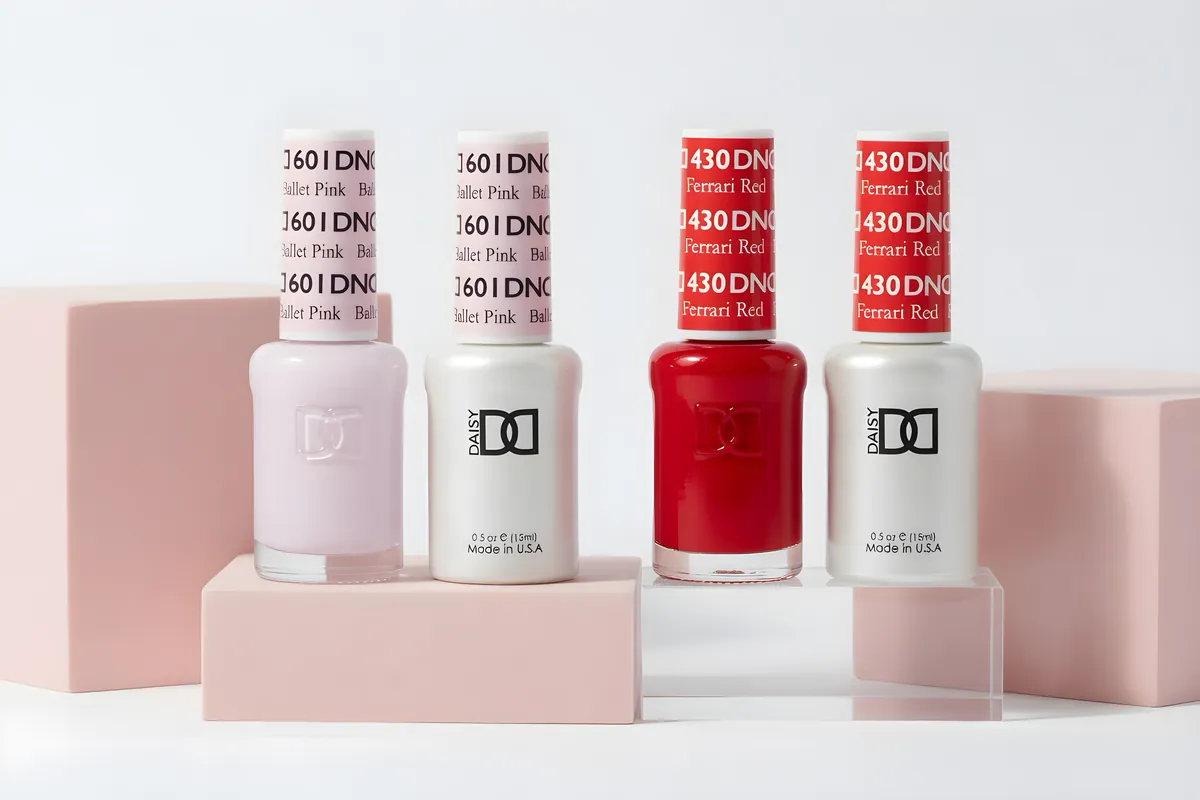
Gel brands in the shop include DND, DC, OPI, Gelish, Kiara Sky and many more. Lacquer brands include OPI, Essie and DND's lacquers (found inside the duo sets).
Common complaints and what to do
| Complaint | Likely type | What to do |
|---|---|---|
| "My polish chips in two days" | Regular | Prep the nail, use thin coats, cap the edge, and use a base and top coat. Or switch to gel. |
| "My gel peels off in sheets" | Gel | Oil or moisture on the nail, thick coats or flooded cuticles. Re-do the prep: file off the shine, clean with a dehydrator, and keep gel off the skin. |
| "My nails feel thin after gel" | Gel | Stop picking or filing too hard, rest the nails for a week or two, and moisturize. |
| "Polish stays tacky for hours" | Regular | Thin coats, cooler dry room. See slow drying fixes. |
| "Gel is sticky after the lamp" | Gel | Check lamp and cure time. See why gel stays sticky. |
| "My skin itches around my nails" | Gel or regular | Stop using the product and see a doctor if it persists. See gel allergy. |
Removal compared
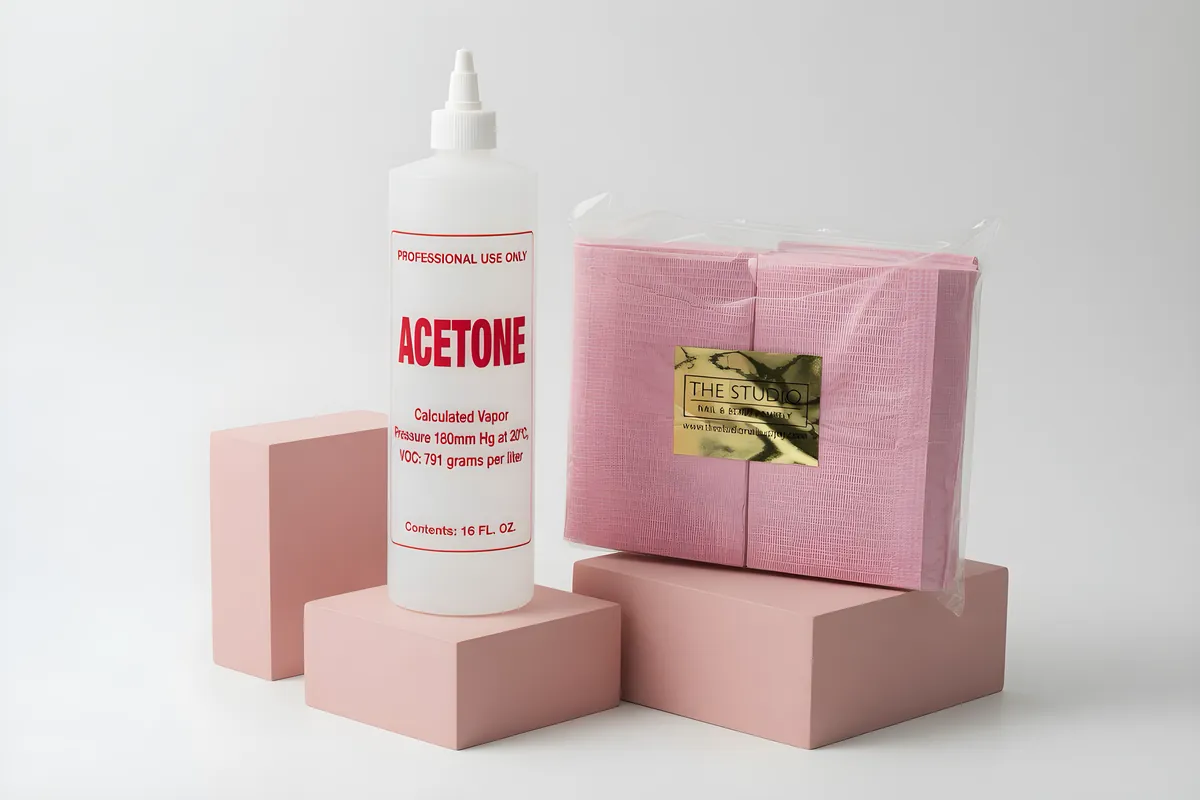
Regular polish: Press a remover-soaked cotton pad on the nail for a few seconds and wipe. Acetone removers are faster, and non-acetone removers are gentler. We carry non-acetone remover in bulk sizes.
Gel polish: Soak off with acetone. Lightly file the shiny top coat first so acetone can get in, wrap each fingertip with acetone-soaked cotton in foil, and wait. The AAD describes about 15 minutes with cotton and foil. Do not scrape off gel that has not softened, because that tears off layers of the natural nail. After removal, use cuticle oil and rest the nails.
Shop what's in this guide
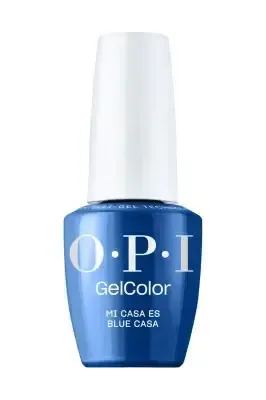
M92 - Intelli-Gel - Mi Casa Es Blue Casa
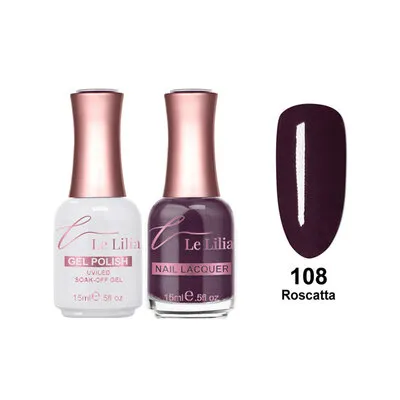
108 - Roscatta - Gel - 0.5 oz
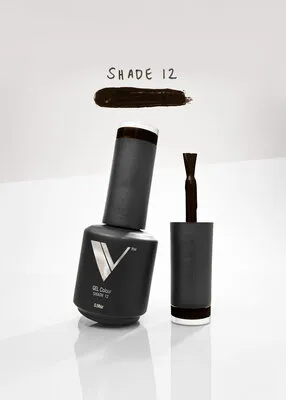
Gel Polish - Foundation Shade 12
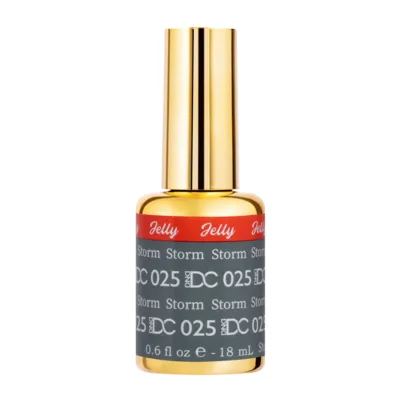
Jelly - 025 - Storm
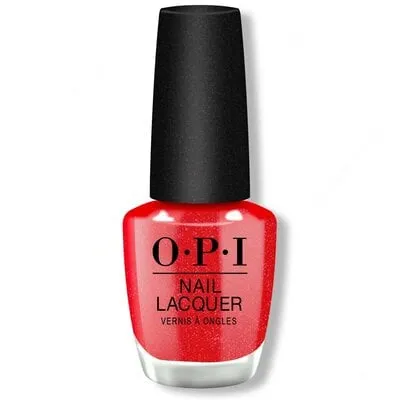
S072 - Lacquer - Big Apple Energy
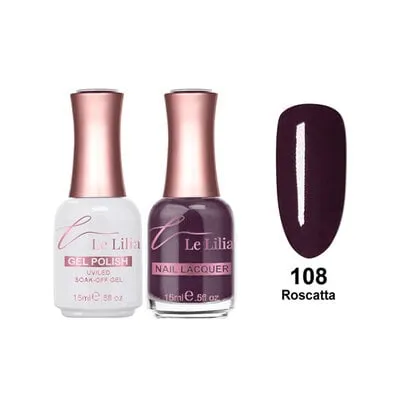
108 - Roscatta - Lacquer - 0.5 oz
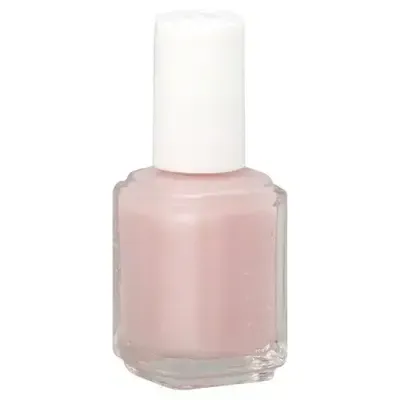
Lacquer - 384 - Mademoiselle
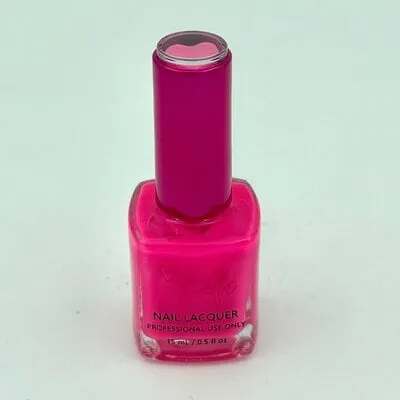
Lacquer - 082
Questions we get at the counter
Is gel polish better than regular polish?
Can I use regular polish over gel?
Does gel polish damage your nails?
Is gel polish worse for you than regular polish?
Which is better for toes, gel or regular polish?
Can you put gel top coat on regular polish?
Sources
- Gel manicures: Tips for healthy nails, American Academy of Dermatology
- Nail Care Products, U.S. Food and Drug Administration
- How Do You Stop Nail Polish From Bubbling?, Makeup.com
- Experts warn against gel polish: think twice, Danish Consumer Council THINK Chemicals
- Why is my gel polish not curing?, Young Nails