Why Nail Polish Bubbles or Dries Slowly: Causes and Fixes
Why nail polish bubbles or stays wet for hours, with a cause-and-fix table for lacquer and gel, the thin-coat stroke, and how to dry polish faster.
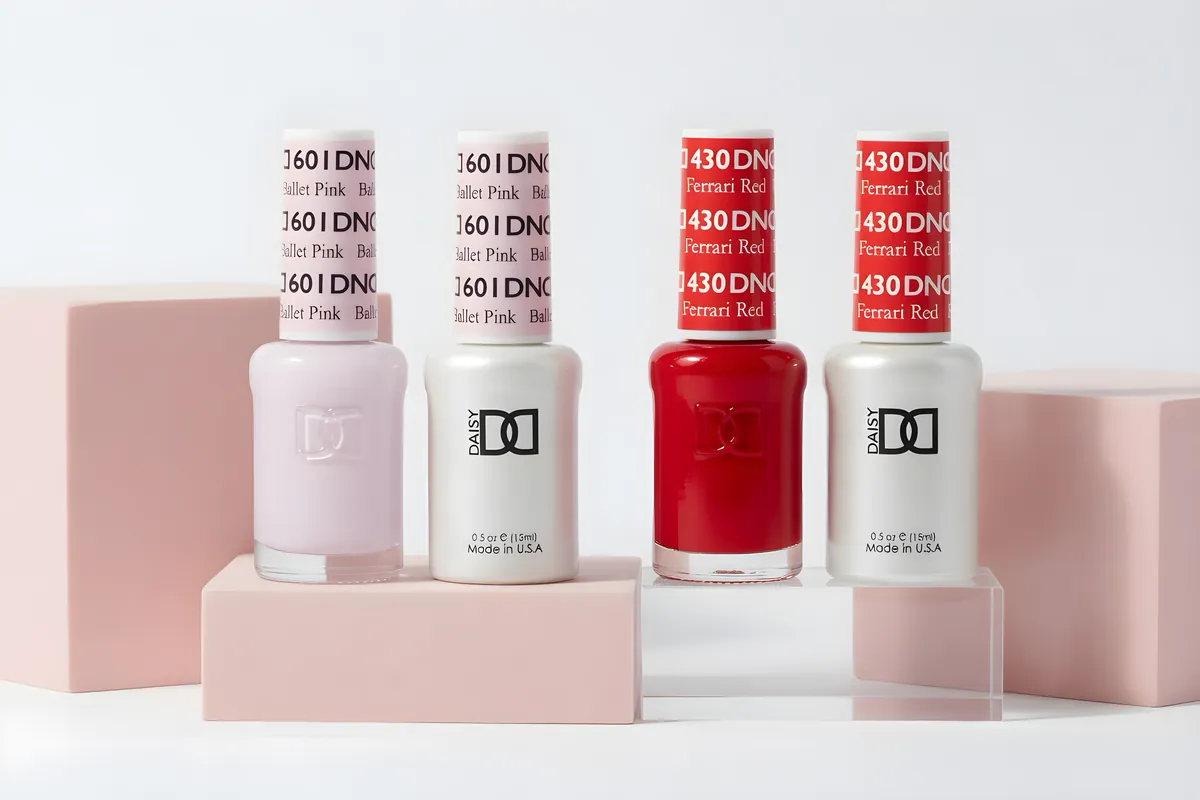
Nail polish bubbles when air or solvent gets trapped, most often from shaking the bottle, thick coats, old polish, heat or oily nails. Roll the bottle instead of shaking, apply thin coats on clean nails, and replace thickened polish.
Why nail polish bubbles
Bubbles in nail polish are air or gas trapped in the film as it dries. Makeup.com's beauty experts list the main causes: shaking the bottle, putting on thick coats, working with old or thickened polish, polish that has been stored somewhere warm or humid, and oily nails or cuticles.
Here is why each one matters:
- Shaking. Shaking a bottle whips air into the lacquer. The bubbles are tiny at first, but they rise and get trapped as the film dries on the nail. This is a very common cause, and it is also the easiest to fix.
- Thick coats. A thick layer dries on top first and skins over, while the solvents underneath are still trying to escape. They push up through the skin and leave holes or bumps.
- Old polish. As solvents evaporate from the bottle, the formula gets thicker and gloopy. Makeup.com's expert says bottles older than about a year and a half are the most likely to bubble.
- Heat and humidity. A bottle kept in a warm, humid spot, like a bin by a sunny window, can bubble, because heat increases moisture that interferes with the polish.
- Oil on the nail. Oil from the skin, or cuticle oil applied too early, can cause pitting and bubbles.
Bubbles: symptom, cause and fix
| What you see | Likely cause | Fix |
|---|---|---|
| Tiny bubbles all over after the first coat | Bottle was shaken | Roll the bottle between your palms. Stir early and let it rest. |
| Bubbles that appear as it dries | Coat too thick | Use thin layers. Load the brush, wipe one side on the neck, and use light strokes. |
| Bubbles every time with one bottle | Old or thick polish | Replace the bottle. |
| Bubbles or pitting on bare spots | Oil on the nail | Wipe the nail with alcohol or acetone on a pad, let it dry, then paint. |
| Bubbles in a hot, humid room | Heat and moisture | Work in a cool, dry spot. Keep polish out of sun. |
| Bubbles after the top coat | Top coat too thick or color still wet | Let the color firm up. Float the top coat on in one or two strokes. |
How to apply thin coats (the "float" stroke)
- Roll, don't shake. Roll the bottle gently between your palms. Stir early, then let the bottle sit while you prep.
- Load the brush. Dip the brush, then wipe one side of it on the neck of the bottle. You want one bead on the brush.
- Place the bead near the cuticle. Set it just off the skin and pull it forward.
- Sweep three times: one down the middle, one down each side. Stop. Don't go back over it.
- Cap the free edge by running the brush across the tip.
- Wait. Let each coat firm up before the next one. A second thin coat gives better color than one thick coat.
The same rule helps on toes and on long nails: work in sections, keep the bead small, and keep the bottle neck clean. A gloopy neck drops extra polish onto the brush and leads straight to thick coats. Wipe the neck with a lint-free pad dipped in remover every few nails if the bottle starts to build up polish around the rim.
Makeup.com describes the same idea as the floating technique: swirl the brush at the neck, load it with more polish, and use fewer strokes with a light touch.
Why nail polish dries so slowly
Lacquer dries by solvent evaporation. The surface feels dry first, but the layers underneath are still releasing solvent. How long this takes depends on a few things, and thick coats and humidity are the biggest.
- Thick or too many coats. More polish means more solvent that has to escape. Two thin coats dry faster than one thick coat, and also look better.
- Cool or humid air. Evaporation is slower in cool, damp rooms. A bathroom right after a shower is a poor place to paint nails.
- Old, gloopy polish. As the bottle thickens, each coat goes on thicker even if you try to be careful.
- A top coat that is too thick. A heavy top coat can seal the color underneath and slow its drying. Wait a few minutes before the top coat, then use a thin layer.
- Oil or lotion on the nail. A greasy nail keeps the polish wet and soft at the edges.
There is no honest single number for "how long until fully hard", because it depends on the product and how many layers you used. Polish feels dry to the touch much sooner than it is fully hard, so be careful for a while after you finish, especially with socks, bags and hair.
How to make nail polish dry faster
- Apply thin coats. This is the biggest thing you can do.
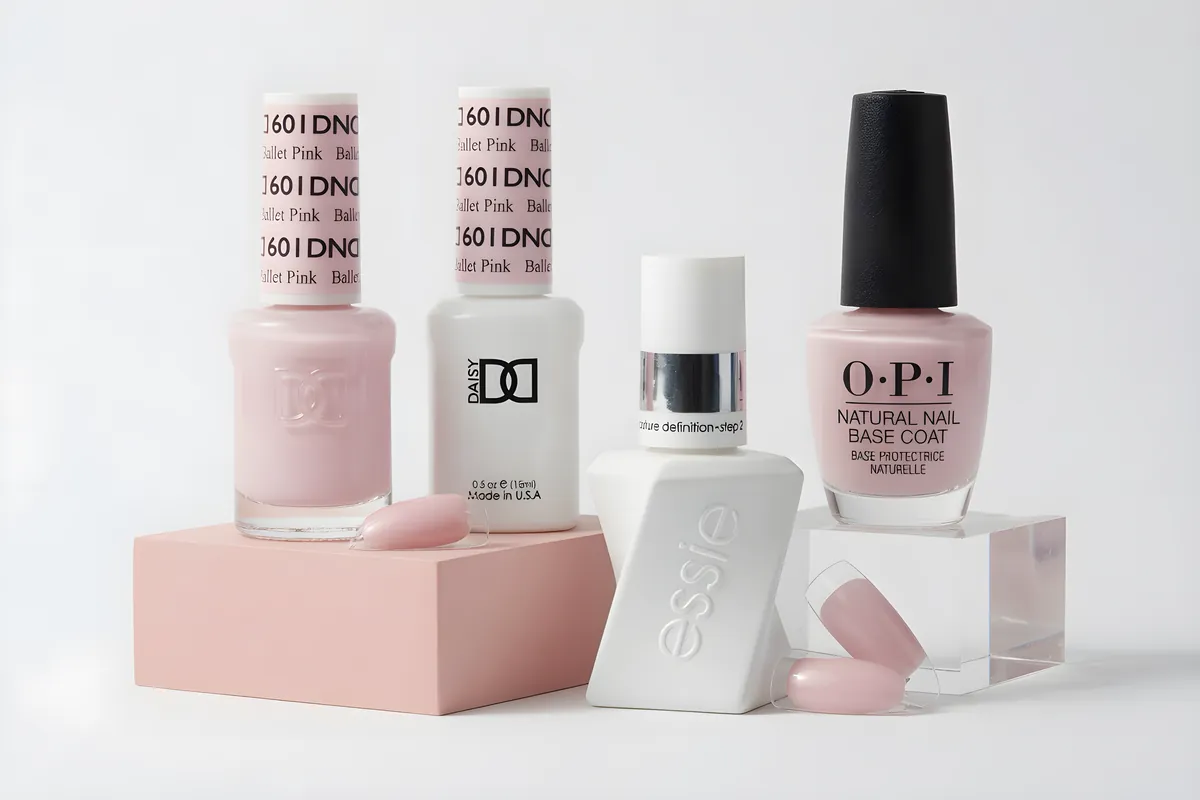
- Use a quick-dry base and top coat. Makeup.com notes that Essie's Here to Stay base coat dries in less than a minute. We carry lacquer base and top coats, including Duri's Miracote quick dry top coat and Essie's Couture top coat.
- Paint in a cool, dry room with a little airflow. Skip a hot hair dryer, which can make the surface skin over before the layer below has dried.
- Start with clean, dry nails. Wipe off oil with alcohol or remover.
- Keep your polish fresh. Replace bottles that have thickened.
- Don't fiddle. Wait between coats and don't test the surface with your finger.
If you want a finish that is hard the moment you are done, gel polish is the alternative: it hardens in a lamp. See our comparison of gel polish and regular polish.
Bubbles in gel polish
Gel polish does not dry by evaporation, so bubbles come from air, thick layers or heat. The table lists the common ones.
| Problem | Likely cause | Fix |
|---|---|---|
| Bubbles right after applying | Bottle shaken hard, or air in the brush stroke | Roll gently and use smooth strokes. Press surface bubbles out with the brush before curing. |
| Bubbles or wrinkles after the lamp | Layer too thick | Apply thinner layers and cure each. OPI's gel lessons link thin coats to better results. |
| Bubbles near the cuticle | Gel flooding the cuticle | Leave a thin gap at the skin and clean up before curing. |
| Bubbles in old gel | Gel is thickened or past its shelf life | Replace it. Store bottles away from light and heat. |
For a sticky or soft surface after curing, see why gel stays sticky and cure times. Young Nails' guide to curing says that bulb strength, lamp compatibility and thin coats all affect how well gel cures.
Storing polish so it lasts
- Keep bottles in a cool, dry drawer, not in a hot car or a sunny bathroom window.
- Wipe the neck and threads before closing, so the cap doesn't stick and air doesn't leak in.
- Store bottles upright.
- Makeup.com's expert says you can keep polish in a fridge, but let it warm to room temperature before you use it.
- Check bottles regularly and discard those that are thick, stringy or smell off.
If you buy polish for a salon, rotate stock and use the oldest bottles first. Browse our lacquer colors when you need a fresh bottle, including OPI and Essie, and see our guide to nail art supplies if you are building a kit.
When to throw a bottle out
A bottle that has gone bad wastes time. Replace it if you see any of these signs:
- It strings or pulls in threads when you lift the brush out.
- It will not flow even after rolling, or it drags and leaves ridges.
- It separates and does not blend back after a gentle roll.
- It bubbles every time, even when you use thin coats and clean nails.
- It is more than about a year and a half old, which is the point where Makeup.com's expert says bottles become the most likely to bubble.
Salons use polish fast, so most bottles never get that old. At home, a small collection you actually use beats a big collection that sits. Buy what you will use in the next several months and keep the rest of your budget for the base and top coat, which wear out faster than colors.
Do not try to rescue a thick bottle by adding nail polish remover. Remover can break the balance of the formula, and most makers do not recommend it. A thinner made for the purpose is the right tool if you want to try, but a new bottle is usually cheaper than the time you will spend fighting an old one.
Shop what's in this guide
S072 - Lacquer - Big Apple Energy
108 - Roscatta - Lacquer - 0.5 oz
Lacquer - 384 - Mademoiselle
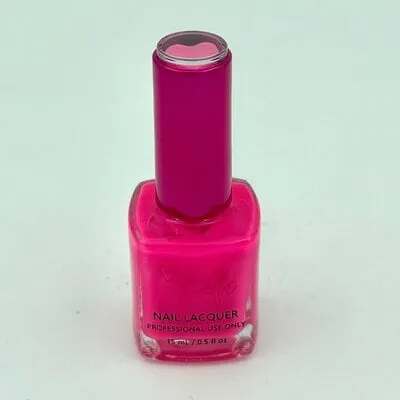
Lacquer - 082
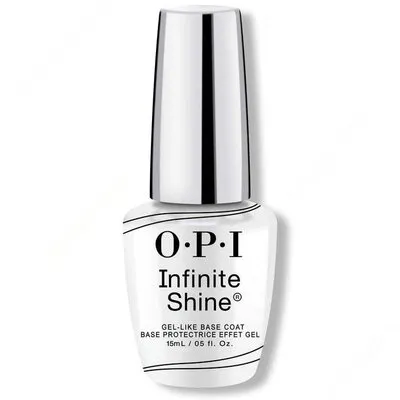
Infinite Shine 1 - Primer Prostay Base Coat - .5 fl oz
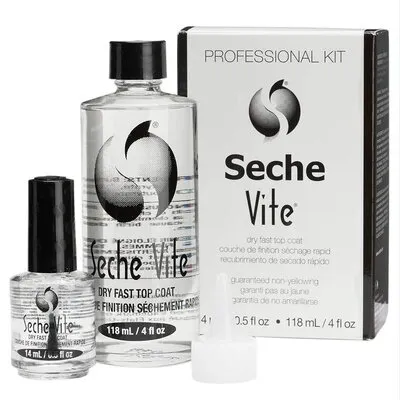
Vite - Lacquer - Dry Fast Top Coat - 4 oz
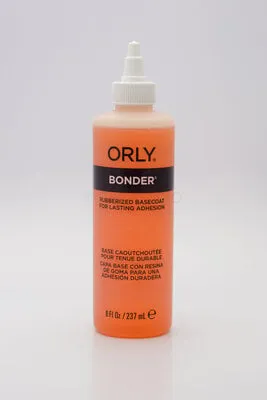
Bonder - Rubberized Basecoat - 8 oz