Acrylic Brush Sizes: Which Number to Use for Beginners and Pros
Acrylic brush sizes explained: what #8, #10, #12, #14 and #18 are good for, how size changes your bead, and how to pick a first brush.
For most acrylic work, a mid-size brush in the #10 to #12 range is the easiest to learn on. Smaller brushes (#6 to #8) give detail control, #14 to #16 build faster on longer or wider nails, and #18 and up suit large beads and long extensions. Numbers vary by brand, so judge the brush by control and bead size, not just the number.
Acrylic brush sizes: what each range is good for
Acrylic brush sizes are printed as numbers (#8, #10, #12 and up). The number is the maker's own scale, so a #12 from one brand can be a different width and length from another's. Use the chart as a starting point and then look at the actual brush. In the catalog, brushes run from #8 to #22, with the most choice in #10 to #18.
| Size range | Typical use | Who it suits |
|---|---|---|
| #6 to #8 | Small beads, detail work, small nails, repairs, clean-up at the sidewalls | Short nails, children's hands, pinky nails, detail and 3D work |
| #10 to #12 | All-round work on short to medium nails: full sets, fills, French smile lines | Most beginners; a good first brush |
| #14 to #16 | Bigger beads for longer or wider nails, faster full sets and sculpting | Techs with a steady hand who like to build quickly |
| #18 to #22 | Large beads, long extensions on forms, fast build on wide nails | Experienced techs doing long or wide sets |
These ranges are a rule of thumb. If your brush gives you control and a bead you can repeat, it is the right size for you, even if a chart says otherwise.
Quick pick by situation
| Situation | Try this size |
|---|---|
| First week of practice | #10 or #12 |
| Short natural nails, small hands | #8 to #10 |
| Medium to long sets on tips | #12 to #14 |
| Sculpting on forms, long extensions | #14 to #18 |
| Cuticle detail, repairs, 3D shapes | #8 or smaller second brush |
If you are between two sizes, choose the smaller. A smaller brush is easier to keep neat, and you can always add another bead.
How brush size changes your bead
A brush holds liquid in its belly, the widest part of the hair. Katie Barnes Academy teaches that more monomer in the belly of the brush produces a larger bead, and that touching the flat tip to the powder, rather than pressing into it, keeps the bead from being too dry.
That means a larger brush carries more liquid and can pick up a larger bead on the same blot. If you move from a #10 to a #14, the same one-second blot gives you a different bead, so expect to relearn your blot time. Smaller brushes give finer control but need more beads to build a nail, which increases the chance of the bead setting while you work. Larger brushes build faster but are harder to place accurately near the cuticle.
- Control and neatness: go smaller.
- Speed and big structure: go larger.
- Both: keep two sizes. Many techs use a mid-size brush for the body and a smaller one for edges and fixes.
Hair and shape matter as much as the number
Two brushes with the same number can feel completely different. Check these four things:
- Hair type. Most professional acrylic brushes are labeled kolinsky, a natural hair known for holding liquid and springing back to a point. Cheaper synthetic brushes can feel stiff or limp. Browse the acrylic brush category and read the product title for the hair type.
- Shape of the head. Round heads give a classic bead and are common for beginners. Oval and flat shapes spread product differently and can help with a flat cuticle line, but they handle differently, so learn one shape first.
- Belly and tip. A full belly holds liquid. A fine tip places the bead precisely at the cuticle and smile line. When wet, a good brush forms a clean point.
- Handle and balance. A heavy handle tires the hand, and a very light one can feel unsteady. Pick up the brush in the store and hold it as you would for a set.
The Studio carries acrylic brushes from Kiara Sky (#8 to #20), Sophia (#8 to #22), DND (#8 to #22), V Beauty Pure and its own line, in plain and decorated handles. The decoration is cosmetic, so pick by size and hair.
How to choose your size in four steps
- Start with your nails. If you mostly do short to medium natural-shaped nails, start in the #10 to #12 range.
- Match the hand. Small or narrow nails want a smaller brush so the bead fits within the sidewalls.
- Match your speed. If you are slow and your beads dry before you place them, a smaller brush means a smaller bead and less to manage.
- Test, then commit. Use the brush for at least ten sets before deciding. A new brush needs a few uses to feel normal.
Do not buy a full size range at the start. One good mid-size brush and a small detail brush will teach you more than six sizes.
If you are a student building a kit, see beginner and student kits, and read the acrylic nails guide for the full process.
A worked example: one full set with two brushes
Here is how a mid-size brush and a small one share the work on a set of medium-length nails on tips.
- Prep and tip application with no brush needed.
- Free edge (zone 1). Use the mid-size brush (#12 for example) and a slightly drier bead at the smile line. A bigger brush gives you enough product to cover the tip in one or two placements.
- Middle (zone 2). Same brush, a medium bead pressed into a gentle arch across the stress area.
- Cuticle (zone 3). Switch to the small brush (#8 or #10) and a small, slightly wetter bead. The small brush lets you pat the product right up to the cuticle without touching skin.
- Sidewalls and clean-up. Use the small brush to push product off the skin edge before it sets, then finish with a file.
The point is not that you must own two brushes. It is that size is a tool for a specific step. If you only have one, choose the size that handles the cuticle step well, because that is where mistakes cause lifting. Our lifting guide explains why.
Brush mistakes that look like technique problems
- Buying a size that is too big for the nails you do. A large brush on small nails puts product on the skin and sidewalls.
- Judging a brush by its handle. Decorative handles are cosmetic. The hair and the shape decide how it performs.
- Using a damaged brush. A bent hair or split tip leaves ridges and lets air into the bead (see acrylic bubbles).
- Never changing sizes. If you do every step with a #16, every step is a compromise. Try a smaller brush on the cuticle zone.
- Leaving a brush in a dappen dish. The belly of the hair softens and bends out of shape.
- Soaking the ferrule. Keep the metal band and the glue under it away from long soaks.
When a brush is stiff or hard, try the revival steps in the cleaning guide before throwing it away.
Breaking in a new brush
New brushes often come with a protective coating or are held in shape with a clear gel or a cap. Check the maker's instructions before wetting it. Many brushes need the coating removed before use. Do not force the hair out, and do not pull or twist the hairs. Then break it in by wetting it in monomer, shaping it to a point on a towel, and using it for practice beads before your first client.
A new brush also holds liquid differently from an old one. Expect to adjust your blot time for the first few sets.
When a brush is done
- The tip splays and will not come back to a point.
- The belly no longer holds liquid and beads come out dry or uneven.
- Hair sheds into the product.
- The ferrule (metal band) is loose or the hair is falling out.
Most of these come from product left to harden in the hair. See how to clean an acrylic brush to avoid them.
Daily care in short, and the Florida rule
The basics: wipe the brush on a clean towel after every bead, rinse the hair in clean monomer after each set, reshape it to a point and store it flat or with the tip up and covered. Never leave a brush resting in monomer or on its hair. The full guide is here.
Florida's salon rule (61G5-20.002) prohibits using one brush, comb or other article on more than one patron without disinfecting it. For combs and brushes, it says to remove hair first and immerse in a hospital-level or EPA-approved disinfectant, used according to the manufacturer's directions, and then store the item in a clean, closed cabinet or container. How that applies to a kolinsky acrylic brush, which can be damaged by soaking, is something to confirm with the Board of Cosmetology or your disinfectant's label. A simple way to stay clear: keep a separate brush for each client's service in a closed container and follow the disinfectant maker's instructions for the rest of your implements.
Shop what's in this guide
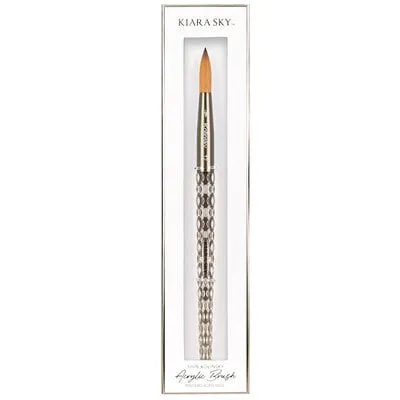
Acrylic Kolinsky Brush - Black - Size 12
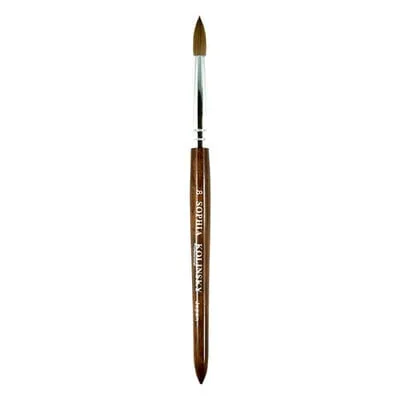
Kolinsky Acrylic Brush - Japan - Wood - #8
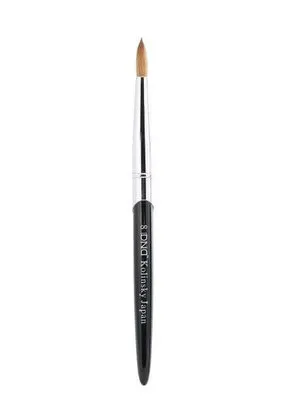
Kolinsky Acrylic Brush - Black - #8
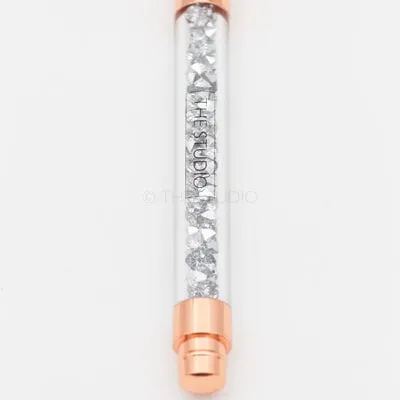
Kolinsky Acrylic Brush - Rose Gold - Silver Crystal - #10
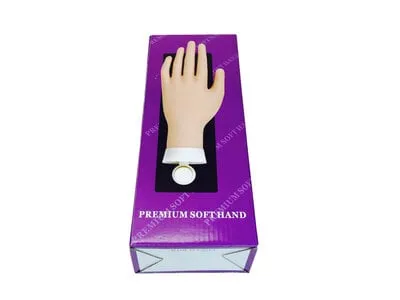
Premium Soft Practice Hand w/ Stand - Purple Box
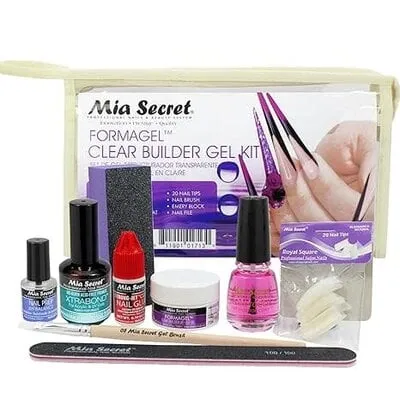
Formagel - Clear Builder Gel Kit
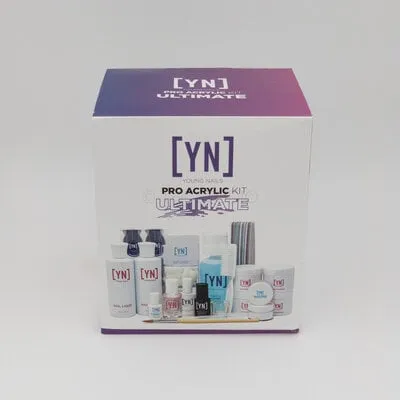
Pro Acrylic Kit - Ultimate