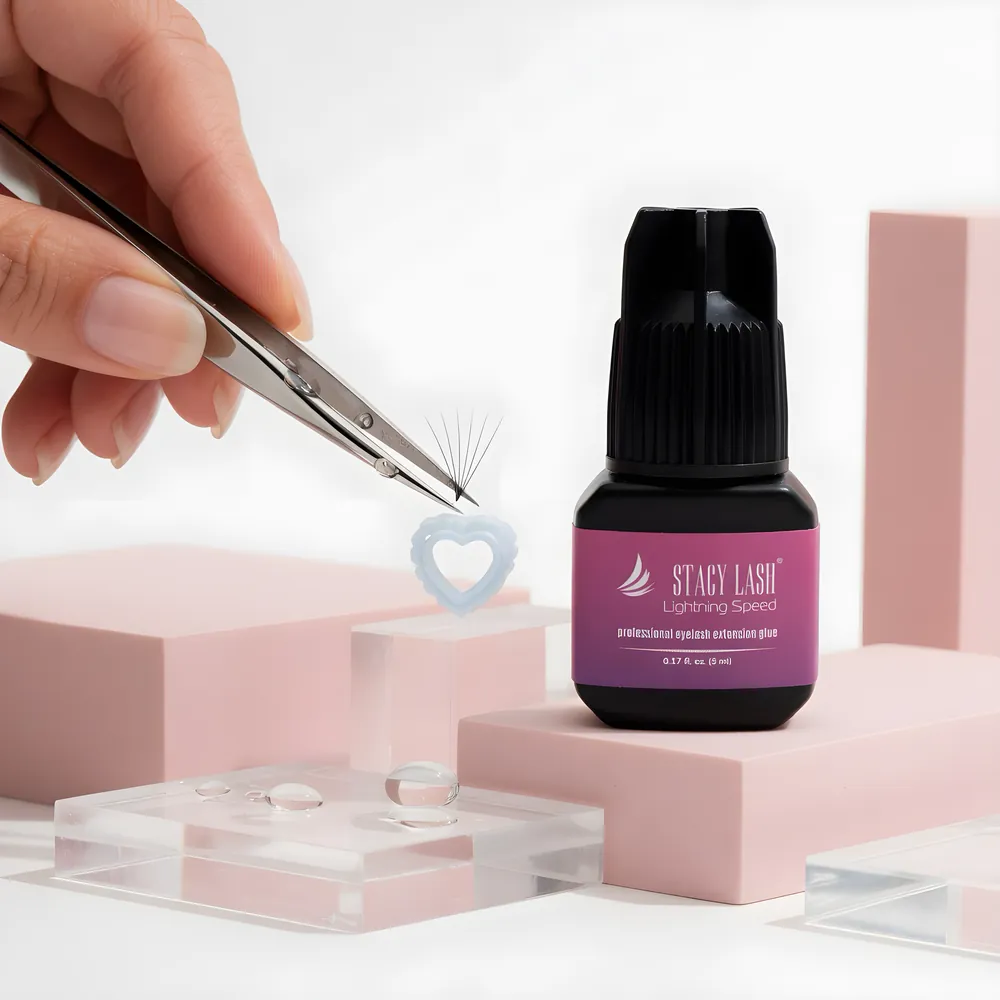
Lash Extension Retention: Why Lashes Fall Off Early and How to Fix It
Five checks that fix lash extension retention: clean lashes, a glue matched to your room, fresh glue, clean isolation and correct aftercare.
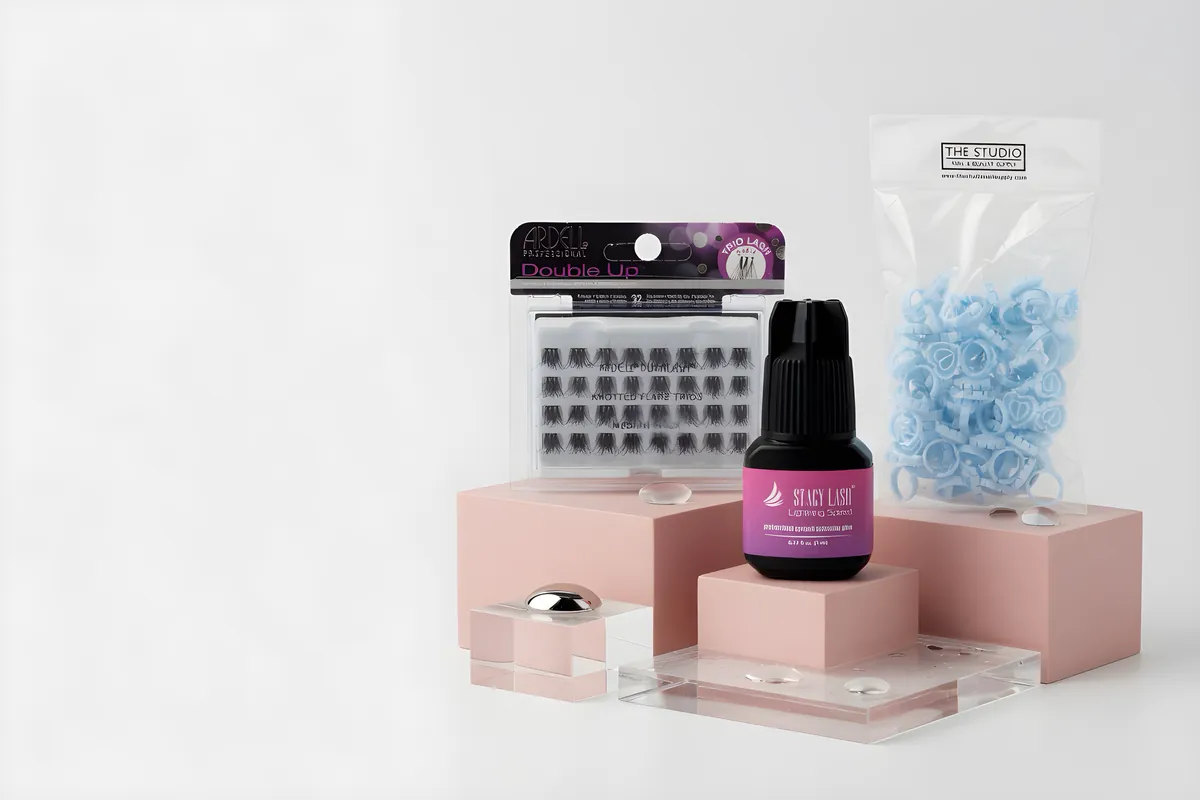
Lash retention depends mostly on five things you control: clean, oil-free natural lashes, a glue matched to your room's humidity and temperature, fresh glue, clean isolation with no stickies, and a client who follows the 24 hour moisture rule and oil-free aftercare. Fix them in that order and early shedding usually stops.
What lash retention actually measures
Retention is how long extensions stay on the natural lash before they shed with it. Extensions bond to your client's own lash, and each natural lash sheds on its own cycle. Lash Affair describes extensions growing out with the natural lashes over 4 to 6 weeks, so a full set is never meant to last forever. It is meant to fall off in a slow, even way, one natural lash at a time.
That gives you a clean way to judge your work. Early, uneven loss is a retention problem. Even, slow thinning near the 3 to 4 week mark is normal shedding. When a client comes back at week two with big gaps, something went wrong in prep, glue, isolation or aftercare. The rest of this article is a checklist to find which one.
Glue makers publish lab retention numbers for their own products, and they are worth reading as a ceiling, not a promise. Stacy Lash lists up to 6 to 8 weeks in laboratory testing for Lightning Speed, up to 7 weeks for Extra Strong and 5 weeks for Sensitive. Real clients sleep, sweat, rub their eyes and use the wrong cleanser. Your job is to remove every avoidable reason for early loss.
Track retention. At every fill, write down the glue, the room humidity, the lash diameter and how many extensions the client has left. After ten clients you will see patterns that no blog post can show you.
Step 1: bond to a clean lash, not to oil
Stacy Lash puts it plainly: dirt, oil, sebum and makeup residue on natural lashes create a barrier between the lash and the adhesive, leading to weak hold and early fallout. Cyanoacrylate cannot grip through a film of oil.
Before every set and every fill:
- Have the client arrive with no eye makeup, no mascara, no oil-based cleanser and no eye cream on the lid.
- Cleanse the natural lashes with a lash shampoo or foaming cleanser and a brush. The Studio carries lash shampoos from Elan, Stacy Lash and The Studio, plus a Lash Shampoo Brush and a Lash Wash Bottle.
- Dry the lashes fully. Moisture on the lash will start curing the glue on contact.
- Apply a primer if your system uses one. Stacy Lash sells a lash primer for extensions and The Studio and Elan both carry primers.
Skipping the cleanse is the most common cause of a bad first week, because the extensions look perfect on the table and slide off two days later.
Step 2: match the glue to your room
Lash adhesive is a cyanoacrylate. It cures by reacting with moisture in the air, so your room's humidity and temperature decide how it behaves. Stacy Lash explains it this way: if humidity is higher than the adhesive needs, it dries faster than you want, and the excess speed gives poor retention. If the room is too dry, the glue stops curing and the extensions feel sticky.
Read the numbers printed on the maker's product page. Stacy Lash lists these ranges, all at 70 to 75 F (21 to 24 C):
| Glue | Drying time | Humidity range | Listed skill level |
|---|---|---|---|
| Lightning Speed | 0.3 sec | 30 to 70% RH | Expert |
| Extra Strong | 0.5 to 1 sec | 50 to 70% RH | Advanced |
| Sensitive | 5 to 6 sec | 50 to 70% RH, also works well in low humidity | Beginner friendly (per Stacy Lash) |
Pick a glue that dries a little slower than your hands move. Stacy Lash advises beginners to choose longer drying times so the lashes have time to seat and bond. Move to a faster glue only when you notice you are waiting on the glue.
Buy a cheap hygrometer and keep it on your station. If you work in a humid area, read our guide to lash glue and humidity and the drying time guide. You can compare glues in our lash glue category, which includes Stacy Lash, Elan and The Studio.
Step 3: use fresh glue and a fresh drop
Glue that has started curing in the bottle bonds weakly and looks fine. Stacy Lash prints "best before 2 months after opening" on its extension glues and recommends storing them cool, dark and dry. If you keep glue in a fridge, let it sit at room temperature for an hour before use. Stacy Lash also warns not to store glue in a freezer, and to wipe the nozzle with a lint-free tissue after use.
On the station, put a fresh drop on a glue ring or palette and replace it when it thickens or skins over. For the full storage routine, see how long lash glue lasts after opening.
Step 4: isolate cleanly and attach to the lash, not the skin
Even the best glue cannot hold an extension that is stuck to two lashes or sitting on the skin. When extensions are bonded to a neighbor, the pair pulls against each other whenever the lashes move, and they shed early. Isolation means holding one natural lash apart with a tweezer so only that lash receives the extension.
Use this checklist after each section of lashes:
- Brush through the section. If an extension moves with its neighbor, you have a sticky. Fix it now, not at the fill.
- Keep the extension a hair's width off the skin. Extensions glued to the skin cause irritation and will not last.
- Match the extension to the lash. Heavier diameters add weight and stress the natural lash, according to Lash Affair. A weak natural lash with a heavy extension is a retention and lash health problem. See our guide to curls and thickness.
- Use tweezers that close cleanly. A pair that crosses or slips makes you re-grip and re-dip. Our tweezer guide explains which shape fits which job.
Client habits that quietly kill retention
You can do a perfect set and still lose it to what happens at home. Tell clients these rules at the chair, not only on a card, and have them repeat back the first two.
- Keep lashes dry for the first 24 hours. No steam, no shower on the face, no crying if they can help it. This is the glue maker's rule, not a salon superstition.
- Cleanse daily with a lash-safe cleanser. London Lash points out that oil and dirt get between the glue bond and the lash and cause shedding, and that daily cleansing also keeps the lash line clean. Stacy Lash warns against cotton pads that snag on lashes.
- No oil near the eyes. That includes cleansing balms, oil makeup remover and some eye creams. Stacy Lash's label says to use only oil-free removers and mascaras.
- No eye curlers. Stacy Lash calls them strictly banned with extensions.
- Sleep on the back if possible. London Lash says sleeping face down or on the side can cause early shedding and suggests a silk pillowcase to reduce friction.
- Skip hot and humid places. London Lash advises warm, not hot, showers, a ventilated bathroom, and avoiding steam rooms, saunas and hot yoga, because high humidity can weaken the glue bond.
- Never pull or pick. The FDA and eye doctors advise against removing extensions yourself. Pulling can take the natural lash with it, and a dermatology review notes hair breakage and even traction alopecia can follow when extensions are pulled off.
Our lash shampoo range includes foaming cleansers and concentrate packets, and The Studio's Defining Lash Brush Wands give clients a clean spoolie to brush dry lashes.
Step 5: cure, fan and send the client home right
Stacy Lash's directions on its glues are specific: after the extension, fan the lashes for 5 to 10 minutes, and do not subject the lashes to moisture for 24 hours. The label also says to use only oil-free makeup removers and mascaras.
London Lash adds that if you use a lash bonder at the end of treatment, the glue cures right away and clients can get lashes wet sooner. Treat that as that brand's claim and follow your own glue and bonder directions. Primers and bonders from Elan, Stacy Lash and The Studio are in the store.
Then give clients a clear aftercare card. Our lash aftercare guide for clients is written so you can copy the rules into your own handout.
Troubleshooting: lashes falling off early
| What you see | Likely cause | Fix |
|---|---|---|
| Whole extensions gone within 3 to 7 days, bases clean | Oil or residue on the natural lash, or moisture in the first 24 hours | Cleanse and fully dry lashes before applying. Give the client the 24 hour rule in writing. |
| Extensions slide off with a white or cloudy bond | Humidity too high for your glue, so it cured too fast | Measure room humidity. Lower it with AC or a dehumidifier, or switch to a glue rated for a wider range. |
| Extensions feel tacky and never seem to set | Room too dry, or glue past its date | Check humidity against the maker's range. Replace the bottle and drop. |
| Lashes fall in clumps | Stickies: extensions bonded to neighbors | Brush every section. Re-isolate more carefully. |
| Short bases and pointing-up extensions | Curl too strong for the natural lash, or placed on the skin | Choose a softer curl and keep a small gap from the lid. |
| Heavy shedding plus a stressed natural lash | Extension diameter too heavy for the natural lash | Drop diameter. Lighter volume fans spread weight better than one thick classic. |
| Fine at the appointment, bad at week two, client says nothing | Client habits: oil cleanser, rubbing, steam, sleeping face down | Walk through aftercare out loud. Hand over the card. |
If a client has red, swollen, itchy or painful eyelids after a set, stop treating retention as the problem. Advise them to see a doctor or eye doctor, and read lash glue allergy vs irritation. The FDA advises anyone with a bad reaction to eye cosmetics to contact a healthcare provider first.
Shop what's in this guide
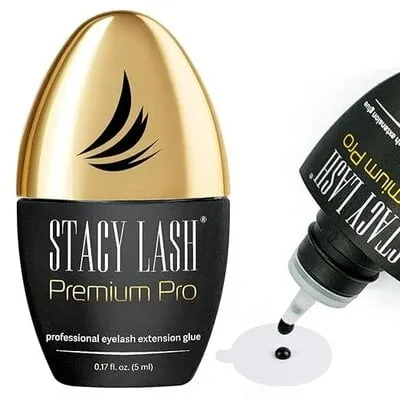
Eyelash Glue - Premium Pro - 5ml
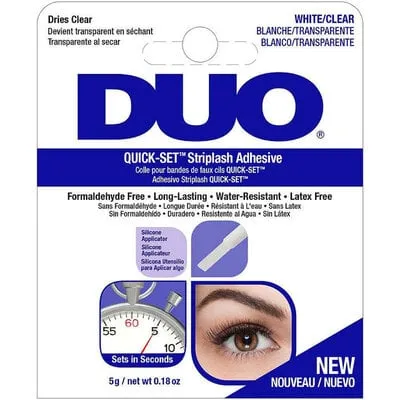
Quick-set Striplash Adhesive - White/Clear
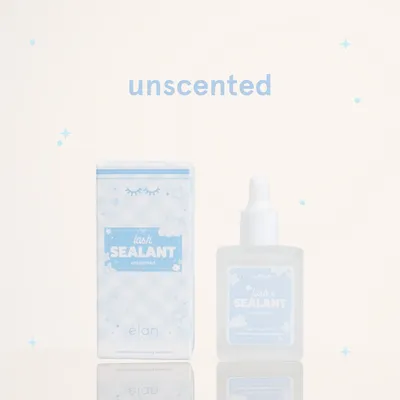
Eyelash Sealant - Unscented - 15ml
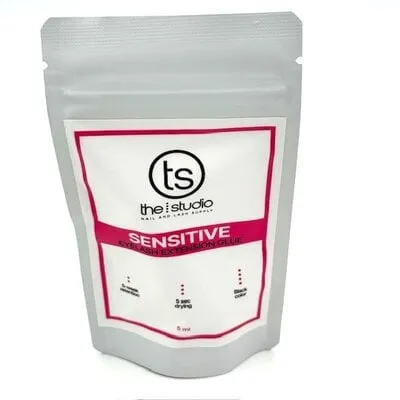
Korea Lash Glue - Sensitive - 5 ml

Lash Cleanser Shampoo - Unscented - 100ml
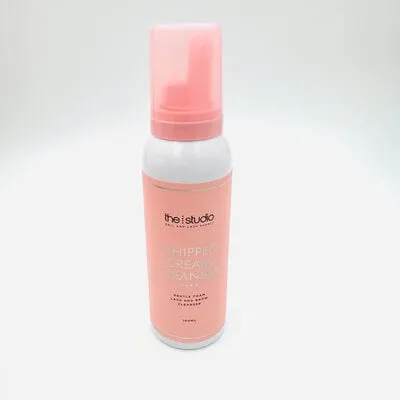
Lash Whipped Cream Cleanser - 100 ml
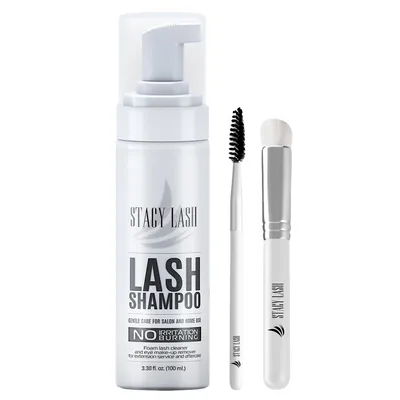
Lash Shampoo - 3.38 fl oz 100 ml