Lash Glue Allergy vs Irritation: Signs, Causes and What to Do
How to tell lash glue allergy from irritation, what dermatology and eye-health sources say, how to reduce fumes, and what to do if a client reacts.
Irritation usually shows up as stinging or watering during the appointment, from fumes or contact. An allergy is an immune reaction that can appear later as itchy, red, swollen eyelids. Neither should be pushed through: stop, flush with water for 15 minutes if glue touched the eyes, and send the client to a doctor or eye doctor.
Allergy and irritation are not the same thing
When a client says "I'm allergic to lash glue," they could mean two different things. Irritation is a reaction to the glue's fumes or contact, and it usually shows up while the glue is being applied. An allergy is an immune reaction, and it can show up later. Both can be uncomfortable, and neither is something you or a client should push through.
This article is general information for lash artists and clients. It is not medical advice and it cannot tell you what is happening in one person's eyes. If a client has pain, swelling, discharge, vision changes or symptoms that will not settle, they need a doctor or an eye doctor, not a different bottle of glue.
What follows is what dermatology and eye-health sources actually say about lash adhesive, what you can control as a tech, and what to do if a client reacts.
What the sources say about reactions to lash extensions
A dermatology review of eyelash extensions on The Hospitalist's website lists the possible problems for patients: allergic contact dermatitis, red eyes (ocular hyperemia), inflammation of the cornea and conjunctiva (keratoconjunctivitis) and allergic eyelid inflammation (blepharitis). The article says keratoconjunctivitis is thought to be caused by formaldehyde contained in some of the glues used for application. It also lists risks to the person doing the work: occupational allergic contact dermatitis, allergic rhinitis and occupational asthma in the practitioner, linked to cyanoacrylate-based glues.
The same article cites a national survey in Japan. About 10% (205) of respondents had tried eyelash extensions. Of those women, 27% (55) had problems that included red eyes, pain and itchy, swollen eyelids. That survey counts problems of any kind. It does not tell you how many were true allergies, so do not use that 27% as an allergy rate.
The American Academy of Ophthalmology, as reported by Ophthalmology Times in 2013, said extensions and their adhesives can present dangers to consumers. The risks it listed were infection of the cornea and eyelid, eyelid swelling and temporary or permanent loss of lashes, with reference to patients who developed infections and allergic reactions linked to formaldehyde-based adhesives.
The FDA treats false eyelashes, eyelash extensions and their adhesives as cosmetics. It notes that the eyelids are delicate, that an allergic reaction, irritation or other injury around the eye can be particularly troublesome, and that you should check the adhesive's ingredients before use.
Finally, the dermatology review says hair breakage and even traction alopecia can occur, especially when someone pulls extensions off. That is a reason to give clients a safe removal option instead of letting them pick at their lashes.
Irritation vs allergy: how to tell what you are seeing
You cannot diagnose a client. You can describe what you see, which helps the client explain it to a doctor. This table is a general guide, not a diagnosis.
| Irritation (fumes or contact) | Allergy (immune reaction) | |
|---|---|---|
| Usual timing | During the appointment or soon after, when fumes are strongest | Can appear later, hours to days after, and may get stronger with repeat exposure |
| What the client reports | Stinging, watering eyes, a burning or tight feeling | Itchy, red, swollen eyelids, sometimes flaking or puffiness |
| What often helps | More ventilation, eyes kept tightly closed, a rest, fanning the lashes after the set | Stopping the cause and seeing a doctor. Ventilation alone does not fix it. |
| Next step | Adjust the setup. If it keeps happening, stop and refer the client. | Stop, refer to a doctor, record the glue used |
The timing and what-helps rows reflect general dermatology understanding of irritant versus allergic reactions, not a rule from one study of lash glue. Some people get both at once. If you cannot tell, treat it as the more serious one.
Pain, a red eye that does not settle, discharge, light sensitivity or blurred vision should be seen by a doctor or eye doctor promptly. The American Academy of Ophthalmology lists corneal infection among the risks of extensions and their adhesives.
What you can control as a lash artist
Most of this comes straight from the label of the Stacy Lash glues, which gives the same instructions for every bottle:
- Work in a well-ventilated room. The label says the adhesive may give off fumes. A glue with a medium fumes rating, such as Extra Strong on the maker's own scale, needs good airflow.
- Keep the client's eyes tightly closed for the whole procedure. That is a label instruction, and it is also the main thing you can do to keep fumes and glue away from the eye.
- Prevent contact with the eyes or eyelids. The label says to avoid contact with the eyelids to prevent irritation. Isolate carefully and keep glue off the skin.
- Fan the lashes for 5 to 10 minutes after the set. This is also on the label.
- Use only oil-free removers and mascara afterwards and keep lashes dry for 24 hours.
- Ask about past reactions before you start. A client who has stung, swollen or itched after a previous set should tell you before the glue comes out. If the answer is yes, be careful about going ahead.
Clean natural lashes also help the set, because Stacy Lash notes that oil and residue weaken the hold. Our lash shampoo and primer and bonder ranges cover that step. Prep helps retention, but it does not change how a client's body reacts to the glue.
Also remember that you are exposed. The dermatology review lists occupational allergic contact dermatitis, rhinitis and asthma in practitioners. If your own hands, nose or chest react, take that seriously and talk to a doctor.
Where a sensitive glue fits, and where it does not
Stacy Lash describes its Sensitive glue as made for clients who need extra care when working with cyanoacrylate, and as latex-free and vegan. The product page lists a drying time of 5 to 6 seconds, a very low fumes level, a 5-week retention and a best working range of 70 to 75F at 50 to 70% humidity, and says it also works well in low humidity. We carry it in 5 ml and 10 ml sizes, and The Studio sells a Korea Lash Glue in Sensitive too. For that glue, read the label for its own specifications.
A lower-fume glue can make the appointment more comfortable for a client who tends to sting or water. That is the use case the maker describes. It is not a promise that the glue prevents an allergy.
Sensitive glue is still a cyanoacrylate glue. If a client has had a true allergic reaction, a doctor, not a lash artist, should decide whether any cyanoacrylate lash glue is appropriate for them.
The Stacy Lash adhesive guide also recommends keeping a bottle of Sensitive adhesive on hand in case of a client sensitivity, and suggests its slower 5 to 6 second drying time is convenient for beginners. If you are new, that is a good reason to learn on it. See the lash glue drying time guide to compare it with faster glues, and the opened glue shelf life guide so a stored bottle is still good when you need it.
If a client reacts: what to do, step by step
- Stop the service. Do not keep working on a client who is in discomfort.
- If glue touched the eyes or skin, flush with water for 15 minutes. That is the instruction on the Stacy Lash label.
- Stop using the product that caused it. The FDA says to stop using any eye cosmetic that causes irritation.
- Send the client to a healthcare provider. The FDA says to contact a healthcare provider first for a bad reaction to eye cosmetics. If there is pain, discharge or vision change, an eye doctor.
- Write down what you used: glue name, size, date opened, room conditions and when symptoms started. A doctor can use this.
- Offer professional removal if the client wants the extensions off. The Studio sells lash removers in cream and gel formats. A tech removing them is a safer path than a client pulling them, since pulling can lead to breakage and traction alopecia according to the dermatology review.
- Report it. The FDA encourages people to report adverse reactions to cosmetics.
Do not argue with a client about whether it was "really" an allergy. Take it seriously, refer them, and note it on their record for next time.
What to look for on a lash glue label
Eyelash glue is for trained professionals, and good labelling is part of that. Health Canada's 2023 to 2024 inspection of cyanoacrylate eyelash adhesives reviewed 87 products, and labelling was the most common reason for non-compliance (40 cases). It requires these adhesives to be sold for professional use only, with statements like "For application by trained professionals only" and "Ensure the eye is protected and immobilized during application," plus the standard warning "BONDS SKIN INSTANTLY. AVOID CONTACT WITH EYES, MOUTH AND SKIN." Those are Canadian rules, but they show what a responsible label looks like.
When you buy glue, check that the label has an ingredient list, a professional-use statement, an eye-contact warning and storage and opened-date instructions. If a bottle has none of these, do not use it on a client. The FDA specifically advises checking the adhesive's ingredients before use, and Stacy Lash includes professional-use and first-aid instructions on its labels.
For more on handling, see our lash extension aftercare guide, which covers what to tell clients after the set. You can browse every glue we carry in the lash glue category.
Shop what's in this guide
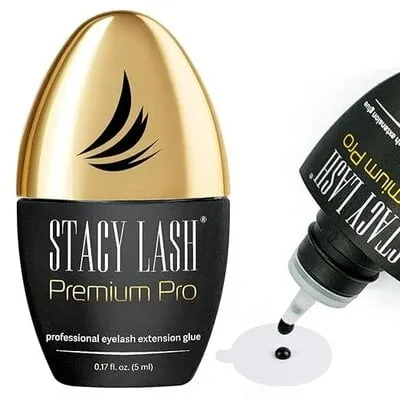
Eyelash Glue - Premium Pro - 5ml
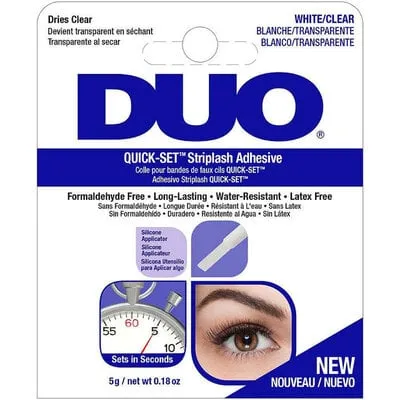
Quick-set Striplash Adhesive - White/Clear
Eyelash Sealant - Unscented - 15ml
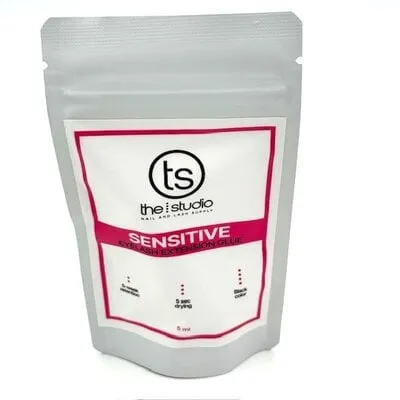
Korea Lash Glue - Sensitive - 5 ml

Cream Remover - Rose - 5ml
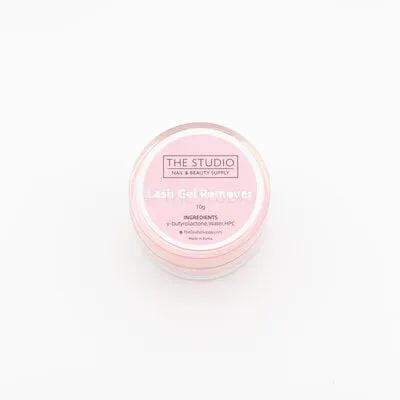
Lash Gel Remover - 10 g
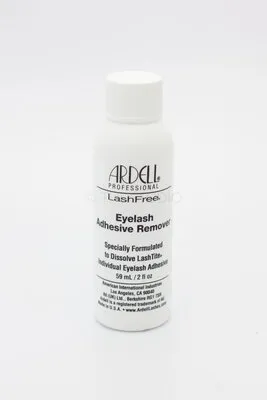
LashFree - Eyelash Adhesive Remover

Cream Remover - Original - 5ml - Unscented
Questions we get at the counter
Can you be allergic to eyelash extension glue?
What are the signs of a lash glue allergy?
Is formaldehyde in lash glue?
Is sensitive lash glue safe for people with allergies?
Why do my eyes sting or water during lash extensions?
What should I do if my eyes get red after lash extensions?
Sources
- Aesthetic Dermatology: Eyelash extensions, The Hospitalist
- AAO warns of eyelash extension dangers, Ophthalmology Times
- Eye Cosmetic Safety, U.S. Food and Drug Administration
- ChemLinked, Canada publishes inspection results of eyelash extension adhesives
- Stacy Lash Sensitive eyelash extension glue 10 ml, product page