Hard gel vs soft gel: how to tell them apart and which to use
Hard gel is filed off and very strong. Soft gel soaks off in acetone and flexes more. Learn the label clues, uses, removal steps and what we stock.
Hard gel is a rigid gel that does not dissolve in acetone, so it is filed off and filled. Soft gel is flexible and soaks off in acetone. Choose hard gel for strong, long-lasting extensions you will fill, and soft gel for overlays, tips and sets you want to soak off. Always read the label, since "builder gel" can be either.
What the two words actually mean
The names describe how the gel is removed. A soft gel is a soak-off gel: acetone swells it and breaks its bond, so it can be soaked off the nail. A hard gel is a non-soak-off gel: it does not dissolve in acetone in any practical time, so it has to be filed down.
The names also hint at feel. Hard gel is more rigid and holds a shape under stress. Soft gel flexes more. That flexibility is helpful on a natural nail overlay, where a rigid layer can crack, and it is less ideal for a long extension that needs to stay straight.
Part of the confusion is that "builder gel" is a use, not a type. Builder gel means a thick gel used to add structure. A builder can be soft (such as Apres Soft Builder Gel, which Apres sells as a soft gel) or hard (such as a hard builder gel from ibd or The Studio). Do not assume. The label or the maker's page will tell you whether it soaks off.
Side-by-side comparison
| Hard gel | Soft gel | |
|---|---|---|
| Removal | Filed off | Soaked off in acetone |
| Feel | Rigid, strong | More flexible |
| Best for | Long extensions, sculpting, structure | Overlays, tips, soak-off sets |
| Fills | Yes, by filing the regrowth | Possible, but many sets are removed and redone |
| Skill | Higher: sculpting, apex, filing control | Lower: easier to remove, more forgiving |
| Risk during removal | Filing too deep into the natural nail | Soaking too long, peeling |
| Examples we carry | ibd Hard Builder Gel, The Studio Hard Builder Gel, Born Pretty Hema Free Hard Gel | Apres Soft Builder Gel, Gel-X tips with Extend Gel |
Apres, in its own material, compares Gel-X to hard gel and says hard gel is strong but needs more sculpting skill. That is a brand's view, but it matches what many instructors say: hard gel gives the most control and the most strength, and it asks more of the tech.
How to tell which one is in the jar
- Read the label for "soak-off" or "non-soak-off". Most makers state it on the jar or on the product page.
- Look for "hard gel", "solid gel" or "sculpting gel". Those are usually non-soak-off. Our builder and solid gels category lists them together, so check each product.
- Check the removal instructions. If they say to file the product down and buff thin, it is a hard gel. If they say to file the top coat and soak in acetone, it is soft. Gelish, for example, tells you to file its polygel off with a 150 or 180 file and then buff. Polygel is a hybrid, but it behaves like a hard product in removal.
- Ask the maker or your supplier when you are not sure. We can help in any of our four stores.
Never assume a gel will soak off. Soaking a hard gel for an hour dries your skin and does nothing to the product. Stop and file instead.
How each is applied
The prep is the same for both and it is the part that decides lifting: clean the cuticle area, buff the shine, dehydrate, and use a bonder or base if the maker requires one. Apres puts it plainly for Gel-X: inadequate nail prep is the most common cause of lifting, and the point carries over to any gel.
Hard gel: apply a thin bonding layer and cure, then place the product in sections, usually starting with the free edge and the stress area, and cure in thin layers. Hard gels are often used on forms or tips to create length. The tech builds an apex, the high point of the nail, so the nail is thickest over the stress area and thin at the cuticle. See how to build the apex. Hard gel is thick, so cure layers according to the label, since thick layers can heat in the lamp.
Soft gel: prep the same way. For Gel-X, apply Extend Gel, press the tip, and cure. For soft builder, apply a slip layer, then a bead of builder, and cure. A soft builder over a natural nail adds strength without much thickness.
For both, the lamp must suit the gel. NailKnowledge explains that photoinitiators react to certain wavelengths, and that a mismatched or old lamp can leave gel partly liquid underneath, which causes lifting and can contribute to sensitization. See gel lamps.
Removal and fills
Hard gel removal. Use a coarse file, hand or e-file, to reduce the gel until a thin layer remains, then buff the rest and finish with a fine buffer. Do not file through to the natural nail. This is where tech skill matters most. The Gelish instructions for its hybrid polygel show the same pattern: 150 or 180 grit to remove most of the product, a buffer to thin what remains, and a finer buffer to blend, then cleanse and oil.
Hard gel fills. To fill, file down the old product, blend the regrowth line, and add new gel at the cuticle. A good fill is thin at the cuticle and blends into the old product. Hard gel is built for this, which is why salons use it for long-term enhancements.
Soft gel removal. The American Academy of Dermatology says to soak only your fingertips or use acetone-soaked cotton wrapped in foil, and it says polish should come off after about 15 minutes. For soft builder or Gel-X, file the top coat first, thin the product, and then soak and check. See how to remove Gel-X at home.
Whatever you remove, give nails time to recover. The AAD suggests going without polish for one to two weeks or longer between gel services, with moisturizer on nails and cuticles several times a day.
Which should you choose?
Choose hard gel if...
- You want a long, strong extension that can be filled again and again.
- You are a trained tech and want maximum control of shape and structure.
- Your client has a hard-working hands lifestyle and breaks soft sets.
Choose soft gel if...
- You want a natural nail overlay with some flex.
- You want a set you can soak off without heavy filing.
- You are new to gel and want a more forgiving removal.
It is also common to use both: a soft or rubber base on the natural nail for flexibility, then a hard gel for the structure. Read Gel-X vs builder gel and builder gel in a bottle vs pot for more combos.
Common mistakes with each
| Mistake | Where it happens | Fix |
|---|---|---|
| Soaking a hard gel | Removal | File it. Acetone does not break it down. |
| Filing into the natural nail | Hard gel removal and fills | Leave a thin layer, then buff it off with a fine buffer |
| Applying thick layers all at once | Hard gel and builder | Cure in thin layers according to the label |
| Skipping the bonder or base | Both | Follow the maker's prep steps |
| Flooding the cuticle | Both | Leave a hair of space from the skin |
| Peeling a soft gel off | Soft gel removal | Soak, then push off gently |
| Using the wrong lamp | Both | Match the lamp to the gel, replace old bulbs |
What to stock for each
For a hard gel service you need the gel in the shades you use (clear, pink, nude and cover), a bonder or base, a gel brush, forms or tips, a lamp, and a good set of files and e-file bits. Because removal is by filing, bits and files are part of the product budget, not an extra. See files and buffers, bits and bands and e-file drills.
For a soft gel service you need the soft builder or Gel-X system, acetone, foil or clips, a pusher, and cuticle oil. Our Gel-X range and builder gels cover both, and we also carry gel systems from Pink Mask, ibd, Luminary and The Gel Bottle. Ask in store if you are not sure which lines are soak-off and which are not.
Allergy notes that apply to both
Hard and soft gels are both built from (meth)acrylate chemistry. Under-cured gel is a risk for skin sensitization, and uncured product on skin is a common way people become allergic. A 2025 study in Contact Dermatitis found 2.1 percent of 7,133 patients tested were positive to 2-HEMA, with artificial nails the main source of exposure. DermNet notes that acrylate dermatitis can show up on the fingertips and on the eyelids, ears, mouth and neck.
The practical rules are the same for any gel: keep product off the skin, cure fully, and stop if a client reports itching, burning or a rash. We carry a large HEMA and TPO free range, including a HEMA-free hard builder from The Studio and a HEMA-free soft builder from Apres. HEMA free does not mean allergen free, so check with a dermatologist if there is a history of reactions.
Shop what's in this guide
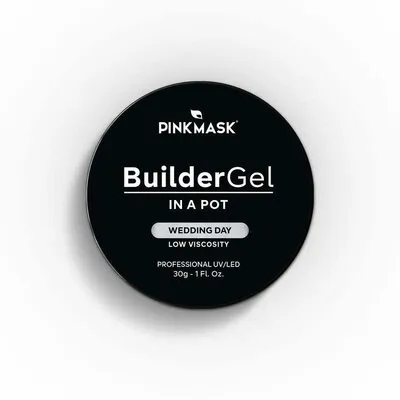
Builder Gel in a Pot - Wedding Day
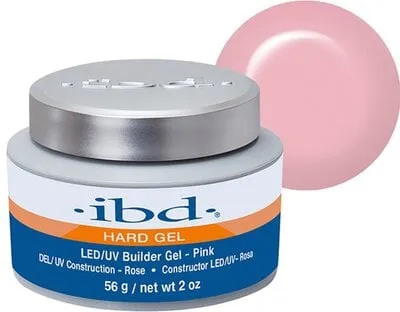
Hard Builder Gel - Pink - 2 oz
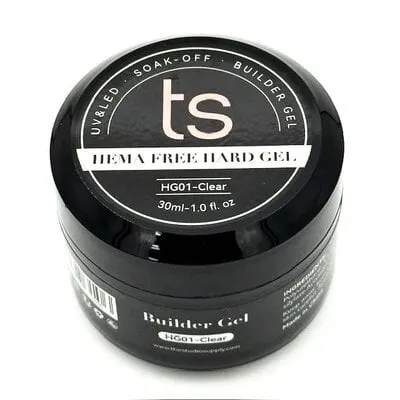
Hema Free Hard Builder Gel - HG01 Clear - 30ml
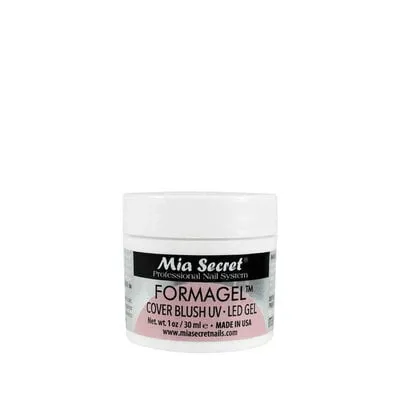
Formagel Builder Gel - Cover Tan - 1 oz
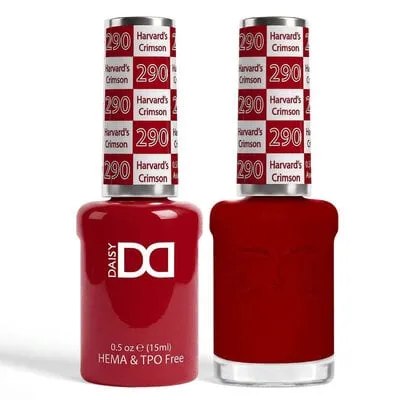
290 - Harvard’s Crimson - Duo Polish
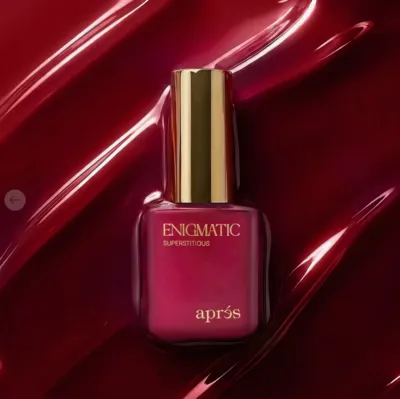
Enigmatic Gel Couleur - J23 Superstitious
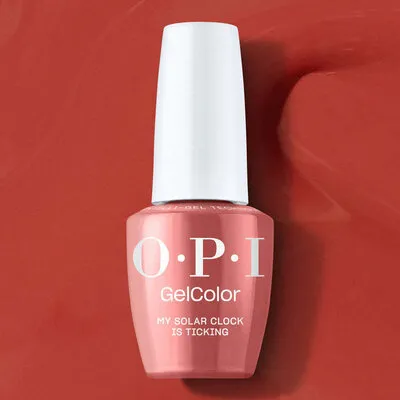
P38 - Intelli-Gel - My Solar Clock Is Ticking
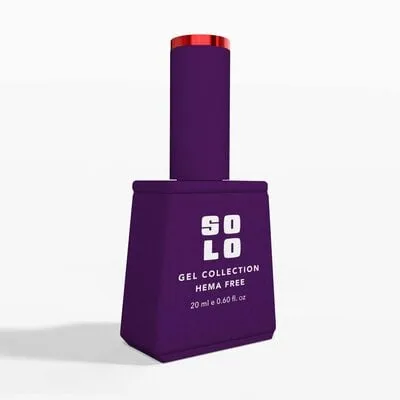
SO 348 - Berry Spell - .6 oz
Questions we get at the counter
Is builder gel hard gel or soft gel?
Does hard gel soak off?
Is hard gel stronger than soft gel?
Can you put soft gel over hard gel?
Which is better for beginners, hard gel or soft gel?
Does Gel-X count as soft gel?
Sources
- Apres Nail: Gel-X Durability, Separating Fact from Fiction
- Gelish: PolyGel Master Kit (application and removal steps)
- American Academy of Dermatology: Gel manicures, tips for healthy nails
- NailKnowledge: Gel polish curing, lamp compatibility and common issues
- Contact Dermatitis (2025): The Italian Trend of Contact Allergy to 2-Hydroxyethyl Methacrylate