How to remove Gel-X at home without damaging your nails
Soak off Gel-X safely: file the top coat, wrap with acetone cotton and foil, wait, push off gently, then repair. Follows AAD guidance.
Gel-X comes off with acetone. File away the top coat and most of the tip, wrap each fingertip in acetone-soaked cotton and foil (the American Academy of Dermatology says about 15 minutes for gel polish, and thick extensions can take longer), then gently push off the softened gel. Never peel or pry it off, because that takes layers of your natural nail with it.
Can you remove Gel-X at home?
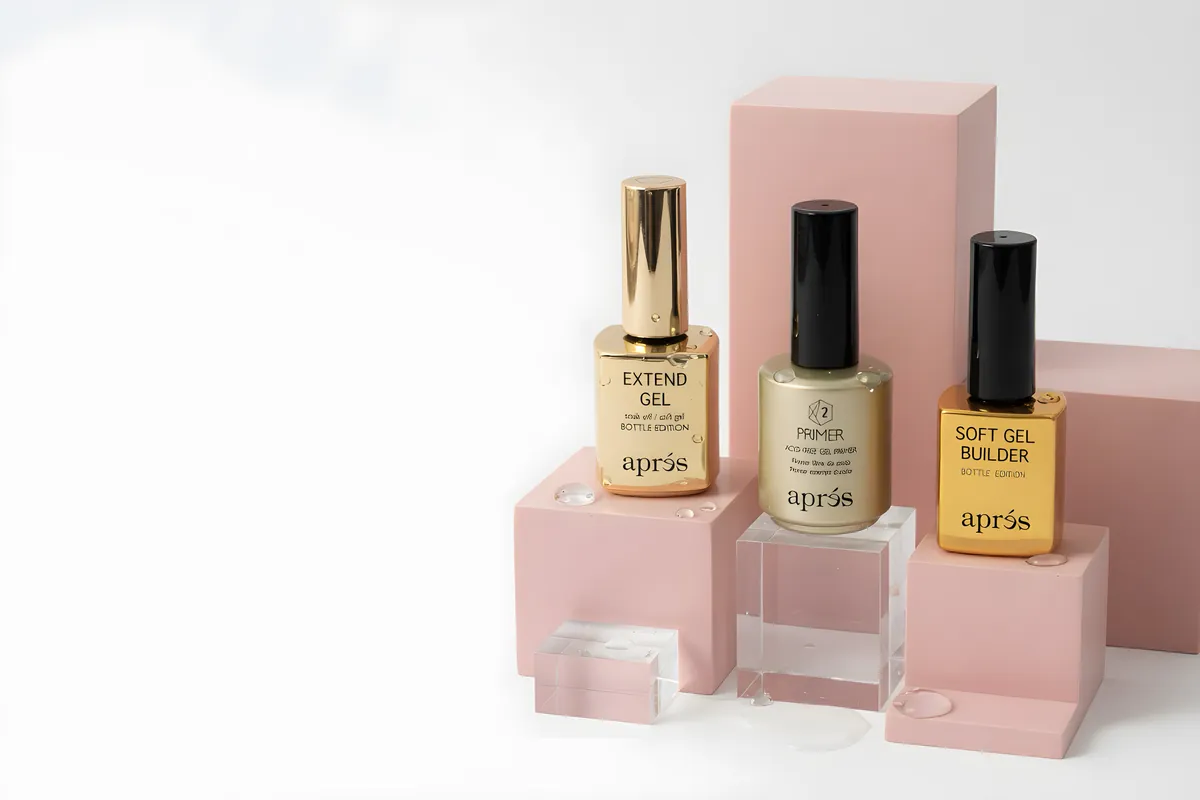
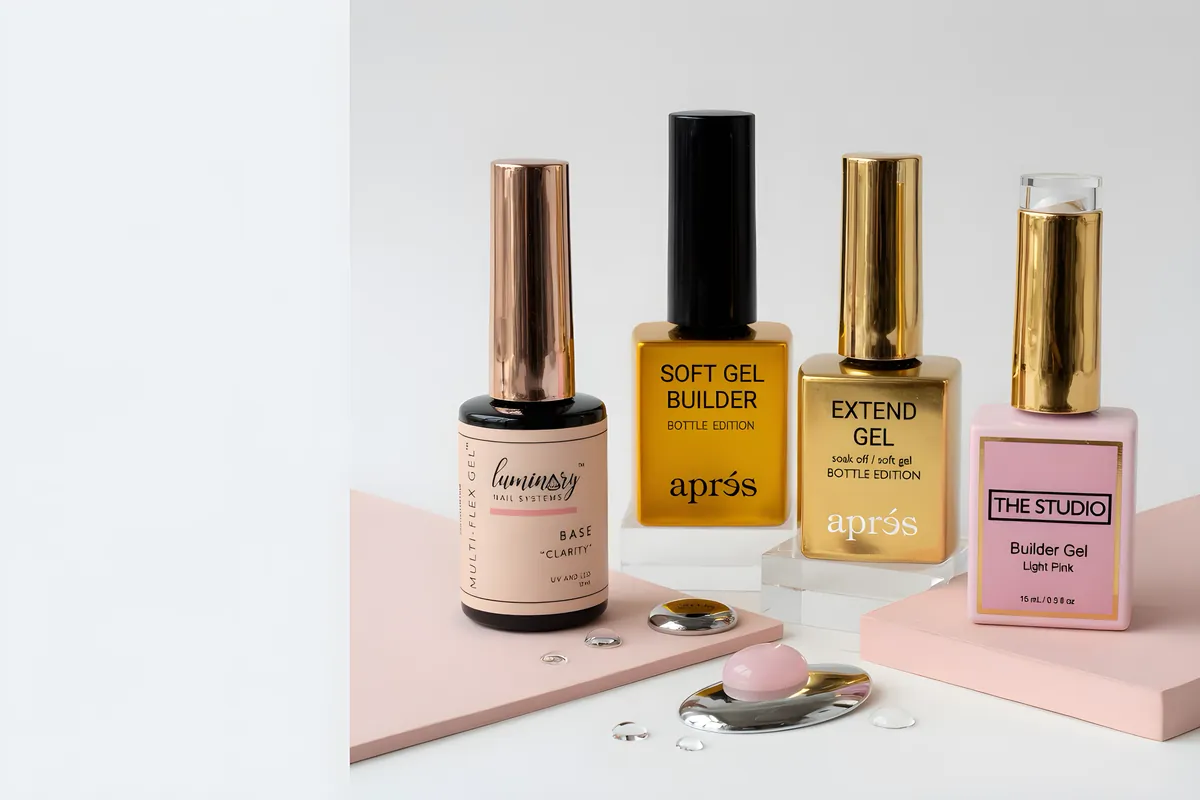
Yes. Gel-X is a soft gel system, so it dissolves in acetone rather than needing to be drilled off. Apres describes Gel-X as easier to soak off than hard gel in its own durability article, which is a brand claim but matches how soft gel behaves.
The main rule is simple: never peel or pry. When a set resists, the answer is more soak time, not more force. Pulling a half-bonded tip lifts layers of the natural nail plate, which leaves it thin, flexible and sore. Apres notes that if removal damages the natural nail, you should rest the nails for about a month.
If you are a client who is not comfortable, have a tech do it. The hands-on part is easy; the patience part is hard.
What you need
- A coarse file or e-file bit. A 100/180 file works. See files and buffers and, for pros, bits and bands.
- 100 percent acetone. We stock acetone. Non-acetone remover will not break down the gel.
- Cotton pads or balls, cut small, and aluminum foil squares, or reusable soak-off clips (we carry soak-off clips for fingers and toes).
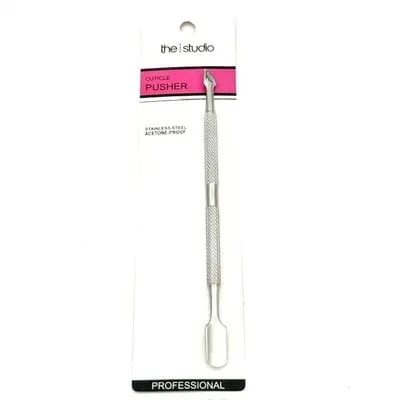
- A cuticle pusher from pushers, preferably a gentle one with a rounded edge.
- A 100/180 buffer to smooth what is left.
- Cuticle oil and hand cream for afterward. Browse cuticle oil.
- A thin layer of petroleum jelly for the skin around each nail.
Step by step
- Protect the skin. Rub a thin line of petroleum jelly or cuticle oil on the skin around each nail. The AAD recommends soaking only the fingertips, not the whole hand, to limit skin dryness.
- File off the top coat. Gel top coat seals the set and keeps acetone out. File across the whole surface until it looks dull. This is the most important step for a fast soak.
- Reduce the tip. File the free edge down and thin the tip to about half. Stop before you touch the natural nail. The goal is to leave a thin layer of gel, not to reach skin.
- Soak cotton in acetone and place it on the nail. Wrap each fingertip in foil so it stays tight.
- Wait. The AAD says about 15 minutes is enough for gel polish. A bonded Gel-X tip with Extend Gel behind it is thicker, so plan on checking at 15 minutes, then every few minutes.
- Check one finger. Unwrap it and see if the gel is cloudy, wrinkled and lifting. If it is soft, use the pusher in small strokes along the nail from cuticle to tip. If it resists, do not push. Re-wrap and wait longer.
- Remove the remainder. Buff the last thin film smooth with a soft 100/180 buffer. Do not sand down into the natural nail.
- Wash hands with mild soap to remove acetone and gel residue, dry them, then apply cuticle oil.
Warmth speeds up acetone. Keep your hands in a warm room, and never use heat from an open flame or hair dryer, because acetone vapor is flammable.
How long does it really take?
There is no honest single number. Thin gel polish takes the AAD's 15 minutes. A Gel-X tip with a thick layer of Extend Gel and a built-up top coat will take longer, and it depends on how much you filed away first. Apres does not give a removal time on its help center. The correct approach is to check every few minutes and stop when the gel is ready, rather than to follow a clock.
Signs the gel is ready: it looks crinkled or flaky, it lifts at the edge, and it moves with a gentle push. Signs it is not ready: it is shiny and smooth, and it resists the pusher. If the pusher scrapes the natural nail, stop.
A practical routine is to unwrap one finger at a time, starting with the pinky, which is the thinnest set. If that one is ready, the thicker thumb will probably need five to ten more minutes. Rewrap the fingers you are not working on so the pads do not dry out. If the pads dry out, re-soak them with fresh acetone instead of waiting, because dry cotton does nothing. Work in a well-lit spot so you can see the cloudy, crinkled look that tells you the gel has let go.
Why filing first and wrapping works
It helps to know what the acetone is doing. Gel is a cured plastic network. Acetone swells it and breaks its grip on the nail, which is why a soaked gel turns cloudy, wrinkles and lifts. But acetone can only work where it can touch the gel. The top coat is a sealed, glossy layer made to resist solvents, so it blocks the acetone like a lid. Filing the top coat dull opens the surface.
Thinning the tip does the same job. The less gel the acetone has to get through, the less time the nail spends in contact with a drying solvent. That is the reason the filing step is worth doing carefully, and it is also the reason soaking an unfiled set for an hour is a bad plan: you dry out your skin and still do not get the tip off.
The foil wrap holds the cotton against the nail and keeps the acetone from evaporating. Clips do the same job with less folding. Either way, the pad should stay wet and touch the whole nail surface, including the cuticle edge and the free edge.
How a salon tech does it
In a salon, the tech usually reduces the product with an e-file, using a bit suited to gel and a light hand, then finishes with an acetone soak using clips or wraps. This is faster than hand filing, but it takes training. A bit pressed too hard can cut into the natural plate. For pros, we carry e-file drills and bits, and a dust collector helps at the table.
The FDA reminds nail professionals and consumers to use good ventilation when working with nail products, and acetone vapor is one reason. Open a window or use an extractor, keep the bottle capped between uses, and keep acetone away from heat and flames.
Pro tip for toes: Gel-X on toes comes off the same way, but the nail is thicker and the tip is bonded over a flatter plate, so give it an extra check before you push.
When to stop and see a doctor
Stop if the skin around the nail is red, swollen, burning or itching, if you notice a rash on your face or neck, or if the nail itself is sore or looks lifted with a green or dark color underneath. Acrylate allergy from nail products can show up as dermatitis on the fingertips and also on the eyelids, ears, mouth and neck, according to DermNet, and it can start one to two days after contact.
Also note that the AAD says to avoid gel polish if you are allergic to acetone, because acetone is required for removal. If acetone makes your skin crack or sting badly, a tech can use a gentler method with a lighter touch, but you should check with a dermatologist about persistent problems.
Do not treat a possible infection at home with more product. Gel over an infection traps moisture and makes it worse.
After removal: repair routine
Acetone dries skin and nails. After the nails are clean, wash your hands, then massage in cuticle oil and a rich hand cream. Repeat several times a day for the next week. The AAD suggests moisturizer such as petroleum jelly on nails and cuticles several times a day between gel services, and it advises skipping nail polish for one to two weeks or longer to let nails recover.
If you plan another set right away, check the nail plate. If it feels thin or flexible, flaky or sore, wait. Apres suggests resting the nails for about a month if removal caused damage. A short break is a better plan than a thicker set on top of a weak nail.
Mistakes that thin your nails
| Mistake | Why it hurts | Do this instead |
|---|---|---|
| Peeling or popping the tip off | Pulls layers of the natural nail | Soak until it releases |
| Skipping the top coat filing | Acetone cannot get through the seal | File the surface dull first |
| Soaking the whole hand in a bowl | Dries skin more than needed | Soak fingertips only |
| Filing into the natural nail | Thins the plate | Stop at a thin layer of gel |
| Using non-acetone remover | It does not dissolve the gel | Use 100 percent acetone |
| Rushing the next set | No time for the nail to recover | Rest 1 to 2 weeks or more |
Ventilation matters too: acetone vapor is strong, so open a window. If you have a reaction around the nails, or if the nail is painful or looks infected, stop and see a doctor or dermatologist. If you are curious why a set came off early in the first place, read why Gel-X keeps popping off.
Shop what's in this guide
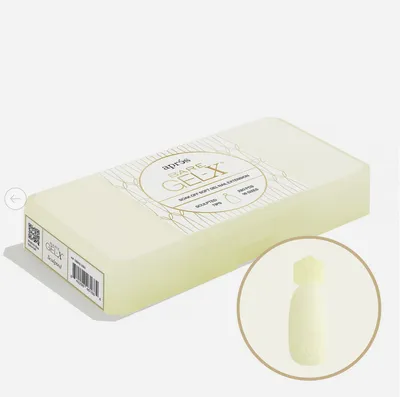
Bare Gel - X Tip Box - Sculpted
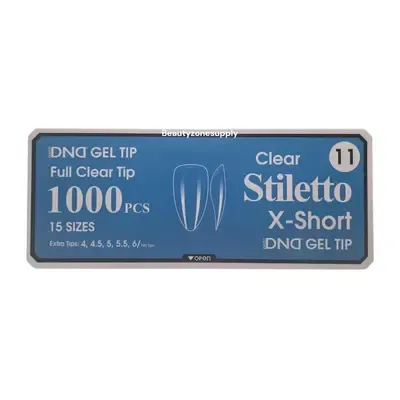
Gel Tips - Full Stiletto X-Short
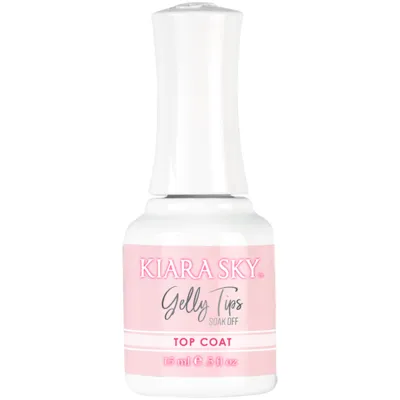
Gelly Tips - 4 Top Coat Non Wipe - 0.5 oz
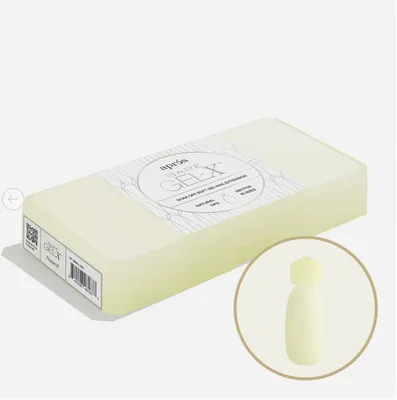
Bare Gel - X Tip Box - Natural
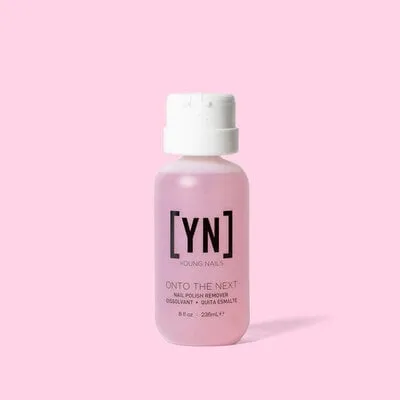
Onto The Next - 8 oz
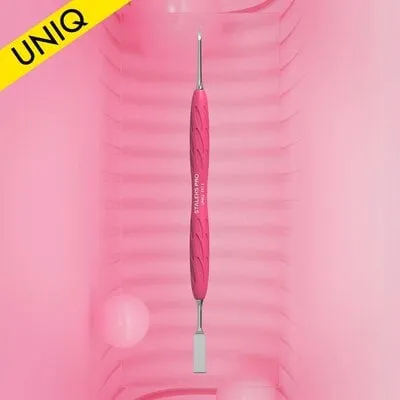
Manicure Pusher Gummy w/ Silicon Handle - Uniq 11 - Type 1 - PQ-11-1
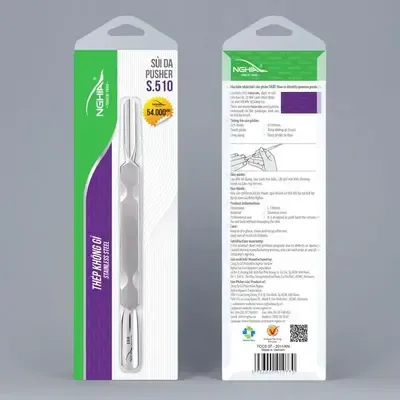
Pusher - S 510