Why does my Gel-X keep popping off? 6 causes and the fix for each
Gel-X lifting is almost always prep, sizing, etching or curing. Find your cause with a symptom table and fix it, based on Apres guidance.
Gel-X usually pops off because of how it was applied, not because of the product. Apres lists the main causes: not enough nail prep (shine or cuticle left on the plate), oily nail beds, a tip that was not etched inside, and a tip that is the wrong size. Under-cured gel and bubbles add to the problem. Fix the cause, and redo the nail instead of gluing over it.
The short answer: it is almost always technique
When a Gel-X tip lifts in a week or less, the instinct is to blame the brand. Apres says otherwise on its own help center: lifting is often related to the application process rather than the quality of the product, and the most common cause it names is inadequate nail prep.
That is useful, because technique is something you can change. Below are the six causes that account for most lifting, in the order to check them. Use the symptom table at the end if you want to work backwards from what you see on the nail.
Apres also states that a correctly applied Gel-X set lasts 3 to 4 weeks. If yours is failing in days, something in the process went wrong. If it is failing at week three with clear regrowth, that is not a failure, it is time for a fill or a new set. For more on timing, see how long Gel-X lasts.
A useful habit is to diagnose before you redo. Look at the lifted tip under good light. Where did it lift first, cuticle, sidewall or free edge? Is the underside of the tip shiny or matte? Is there gel on the skin around the nail? Is the surface of the cured gel hard all the way through? Each answer points to one of the causes below, and fixing the real cause is the only way the next set will last longer than this one.
Cause 1: shine or cuticle left on the nail
Gel grips texture. A smooth, shiny natural nail gives it almost nothing to hold. Apres tells you to buff away the shine and tidy the cuticle area thoroughly, and its durability article recommends buffing with a 100/180 buffer or a natural nail buffer bit so the gel can adhere.
What it looks like: the tip lifts first at the cuticle or along the sidewalls, often with a clean, glossy surface underneath where the gel let go.
Fix: push back the eponychium, remove the thin film of dead skin on the plate, buff the whole nail matte (sidewalls included), and brush away the dust. Finish with a 100/180 buffer rather than a fine one that polishes instead of etching. Do not cut living skin. The American Academy of Dermatology advises against having cuticles pushed or cut hard because of the infection risk.
Cause 2: oily nail beds
Some people have naturally oily nails, and hand lotion or cuticle oil from earlier in the day adds to it. Oil on the plate stops the gel from bonding even if the shine is gone.
What it looks like: tips come off cleanly within days, sometimes in one piece.
Fix: Apres says to apply a second coat of pH Bonder on oily nail beds. Do the dehydrating step after buffing, never touch the nail afterward, and keep the client from touching it as well. If the set will go on over a lotion-heavy manicure, wash hands with soap first and wipe the nails with a cleanser. Shop dehydrators, primers and bonders.
Cause 3: the tip was not etched inside
The tip is a smooth, glossy piece of soft gel. Extend Gel has to bond to it as well as to the nail. Apres says the Gel-X tip needs to be etched on its underside for good adhesion, either with Gel-X Prep or with an e-file (then wipe every bit of dust off).
What it looks like: the tip peels away from the Extend Gel while the gel stays stuck to the natural nail.
Fix: roughen the whole inside surface of the tip, not just a patch at the base, and keep the etched surface clean until you press it on. If you use an e-file, choose a fine bit and a light touch, because you only need to remove the gloss. See bits and bands.
Cause 4: the wrong tip size
Size matters more than most people think. Apres says a tip that is too small causes discomfort, pinching and eventual lifting. On the other side, its help center says forcing a tip that is too big with heavy pressure can make it come off within a day or two. The goal is to cover the natural nail from end to end and sit flush from sidewall to sidewall.
What it looks like: a gap along one sidewall, a tip that rocks, or a pinch the client feels as soon as it cures.
Fix: size every nail first. If a nail falls between two sizes, Apres says to use the larger tip and file the base of the tip down to match the natural nail. Check that the tip base follows the curve of the cuticle. Very curved nails do better with Sculpted tips, and our tip sizes and shapes guide explains the difference.
Cause 5: too much gel, bubbles and a rushed cure
Extend Gel is not a filler. Apres says less is more: center a small amount on the nail and keep it off the sidewalls at first. Too much gel floods the cuticle and sidewalls, and gel that flows onto the skin is both a lifting point and a skin-irritation risk.
Air bubbles come from pressing the tip flat. Apres suggests holding the tip close to the cuticle at about a 45 degree angle, rolling it down, and keeping steady, even pressure while you flash cure. Pinch the sides during the cure so the tip hugs the nail curve.
Then there is the cure. Apres lists 30 seconds in LED or 60 seconds in UV for the full hand. NailKnowledge explains that photoinitiators in the gel respond best to specific wavelengths, roughly 365 nm for UV and 395 to 405 nm for typical LED, and that a weak lamp or an old bulb can leave the gel hard on top but partly liquid underneath. A cheap or aging lamp is a hidden cause of lifting.
Fix: use less gel, roll the tip on, hold it still during the flash cure, and check your lamp. A lamp that cures other gels fine can still be wrong for this one. Look at the wattage, the age of the bulbs, and whether the hand fits flat so every nail gets even light, because a thumb tilted out of the beam is a common weak point. Keep a simple rule: if the surface is tacky across the whole nail after the full cure, the photoinitiators did not fully fire, and the set should be cured again before it is shaped. Browse gel lamps.
Cause 6: life after the appointment
Even a perfect set can fail early if it is treated like a tool. The usual culprits are opening cans and packages with the tips, long soaks in hot water, harsh cleaning products without gloves, and picking at a lifted edge. Picking opens a gap that lets water in, and trapped moisture grows the lift.
Aftercare that helps: cuticle oil every day (the AAD recommends moisturizer on nails and cuticles several times a day between gel services), gloves for chores, and filing a snag instead of ripping it. Do not use acetone-heavy hand sanitizers on the nails. If an edge lifts, go in and have it fixed within a day or two.
Already lifting? What to do today
Do not glue over a lifted tip and do not leave it. Water and dirt get under the gap, which can start a bigger problem for the natural nail. A small lift at the very edge of the tip can sometimes be trimmed or filed back. A lift at the cuticle or sidewall means the bond has failed there.
- File down the lifted section if it is only at the free edge and the rest of the tip is solid.
- If the lift is at the cuticle, remove the nail properly. See how to remove Gel-X at home.
- Do not pry. Apres notes that if removal damages the natural nail you should rest the nails for about a month.
- Redo the nail with proper prep, a second coat of pH Bonder if needed, and an etched tip.
If you see redness, swelling, pain or itching around a nail, or a green or yellow color under a lifted tip, stop and see a doctor or dermatologist. Do not cover the nail with another product.
Symptom table
| What you see | Likely cause | Fix |
|---|---|---|
| Lift at the cuticle | Cuticle left on plate, gel flooded the cuticle | Clean the plate, use less gel |
| Tip falls off cleanly in days | Oily nail or unetched tip | Second coat of pH Bonder, etch inside of tip |
| Gap along a sidewall | Tip too narrow or wrong curve | Re-size, use Sculpted tips for curved nails |
| Pinching | Tip too small | Go up a size, file the base |
| Bubble under the tip | Tip pressed flat | Roll on from 45 degrees, steady pressure |
| Soft gel under hard surface | Weak lamp, short cure | Check bulb and wattage, cure the full time |
Shop what's in this guide
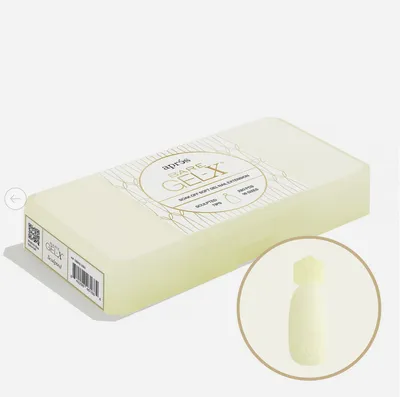
Bare Gel - X Tip Box - Sculpted
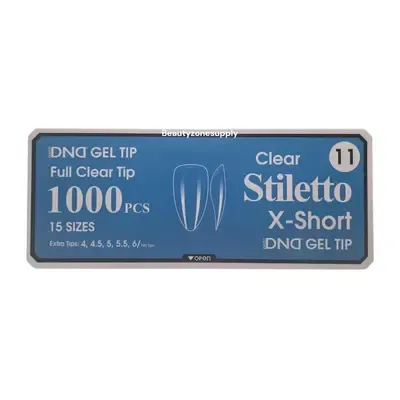
Gel Tips - Full Stiletto X-Short
Gelly Tips - 4 Top Coat Non Wipe - 0.5 oz
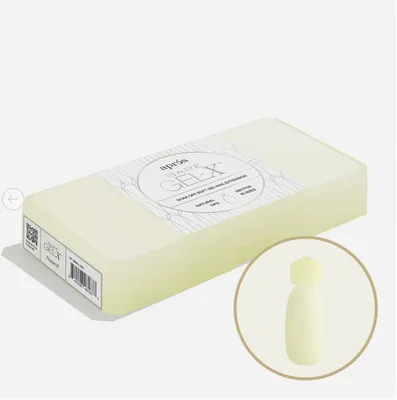
Bare Gel - X Tip Box - Natural
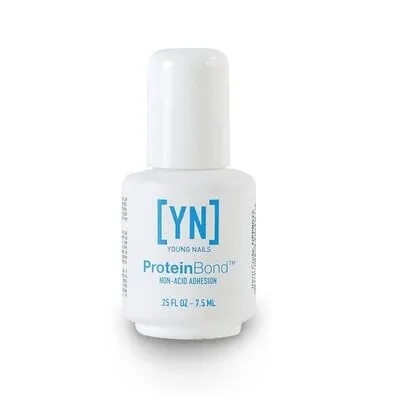
Protein Bond - Primer - 0.50 fl oz
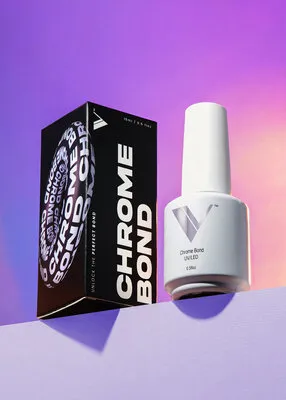
Chrome Bond
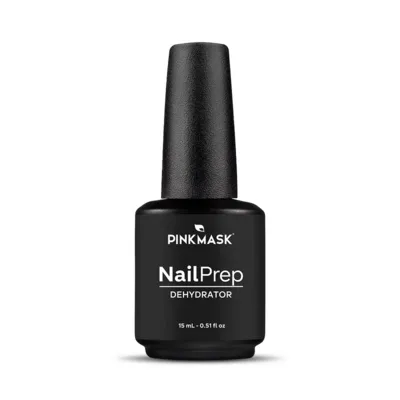
Nail Prep Dehydrator - 15 ml
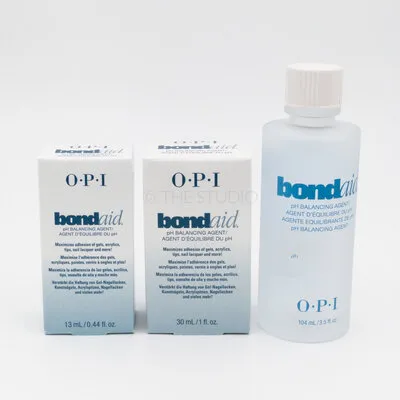
Bond Aid - pH Balancing Agent
Questions we get at the counter
Why does my Gel-X always lift at the cuticle?
Why does Gel-X pop off after a week?
Can I fix a lifted Gel-X nail at home?
Does Gel-X lift on oily nails?
Is my lamp the problem?
How long should Gel-X last if done right?
Sources
- Apres Nail Help Center: Why do my Gel-X tips keep popping off?
- Apres Nail Help Center: How long does a Gel-X set last?
- Apres Nail: Gel-X Durability, Separating Fact from Fiction
- NailKnowledge: Gel polish curing, lamp compatibility and common issues
- American Academy of Dermatology: Gel manicures, tips for healthy nails