Builder gel in a bottle vs pot: which should you buy?
Bottle builder levels itself and is easy to control for beginners. Pot builder is thicker and holds a shape for sculpting. Compare use, hygiene and stock.
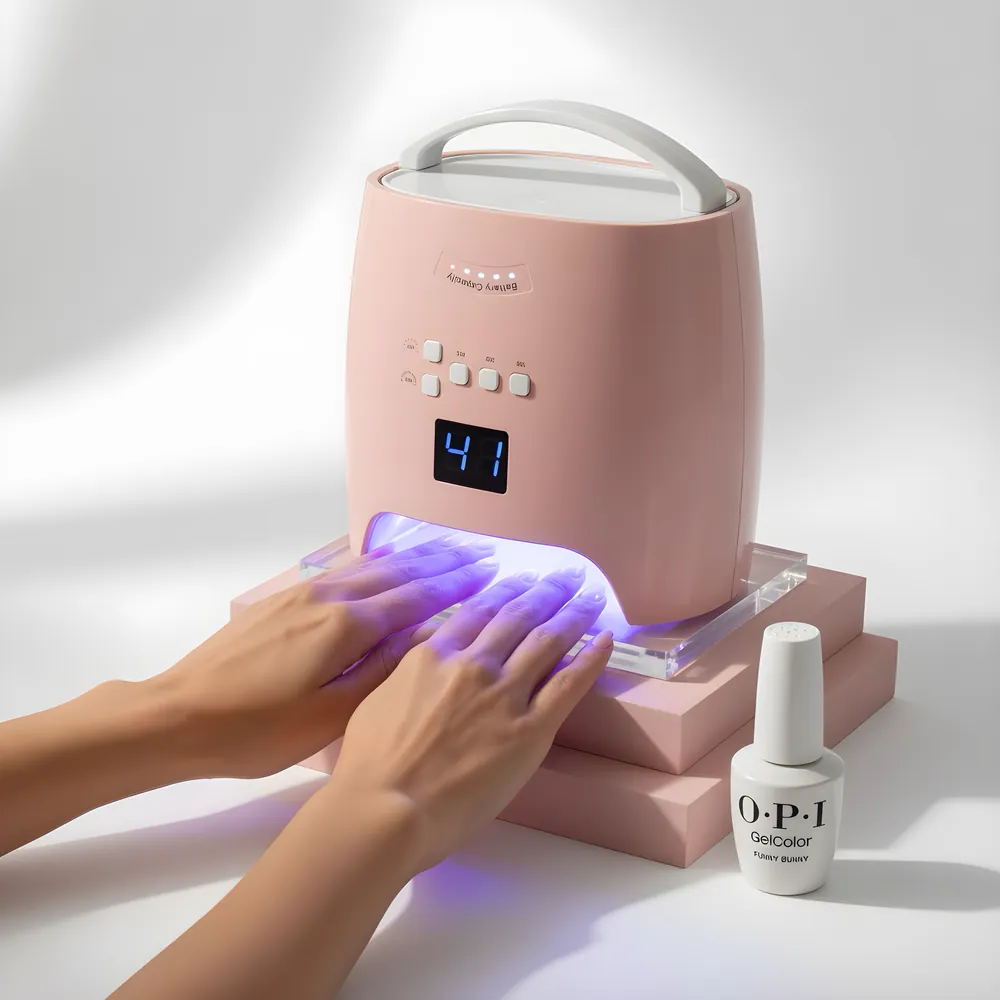
Builder gel in a bottle is a thicker-than-polish gel with a brush in the cap that levels itself, so it is easier for overlays and beginners. Builder gel in a pot or jar is usually thicker and stays where you place it, so it suits sculpting and building structure. Pick a bottle for natural nail overlays and quick services, and a pot for extensions, apex building and more control.
What each one is
"Builder gel" is the job: a thick gel used to add strength and structure to the nail. "In a bottle" and "in a pot" are the containers, and they usually go with different thicknesses.
BIAB stands for Builder In A Bottle. The GelBottle Inc, which sells a BIAB line, describes itself on its site as the inventor of BIAB and runs official BIAB training through its academy. The idea is a brush-in-the-cap builder that you apply like a thick polish, with the gel thinner than a jar gel so it flows and self-levels.
A pot (or jar) builder is typically a thicker, more viscous gel. You take it from the container with a brush or a spatula, place it on the nail, and move it with the brush. It stays where you put it instead of running.
These are tendencies, not rules. Some pots are fairly soft and some bottles are thick. The label, the maker's page and a quick test on a practice nail tell you more than the container.
Bottle vs pot at a glance
| Builder in a bottle | Builder in a pot | |
|---|---|---|
| Thickness | Thick but flowing, self-levels more | Thicker, holds its shape |
| Application | Brush in the cap, like polish | Take a bead with a brush or spatula |
| Best for | Natural nail overlays, short sets, quick fills | Sculpting, extensions on tips or forms, apex building |
| Beginner friendliness | Higher, less product placement skill | Lower, but more control once learned |
| Risk | Floods the cuticle and sidewalls if overloaded | Bulky nails if the bead is too big |
| Hygiene | Brush stays in the bottle | Use a clean spatula and do not double dip |
| Examples we carry | Pink Mask Builder Gel in Bottle, The Gel Bottle BIAB | Pink Mask Builder Gel in a Pot, plus hard and solid builders such as ibd and The Studio |
Browse the full range in builder and solid gels and, for The Gel Bottle, see The Gel Bottle.
Control: which is easier to use?
For most beginners, a bottle is easier. You wipe the brush, pick up a bead, place it, and guide it. Because the gel is thinner, it flows into a smooth surface, so a slightly uneven bead still ends up looking smooth. This is why bottle builders suit natural nail overlays.
The trade-off is flooding. A thinner gel will run to the cuticle and sidewalls if you overload it or hold the finger the wrong way. Apres makes the point for Gel-X, and it applies here: use less gel and keep it off the sidewalls at first. Gel on skin is both a lifting risk and an irritation risk.
A pot gives you more control over where the product sits, because it does not run. That is what you want for building an apex or adding length over a form or tip. The downside is that a thick gel shows every mistake. A big bead stays big, and a ridge stays a ridge. You have to place it carefully and shape it with the brush. See how to build the apex.
Hygiene and contamination
This is one reason to be careful with pots. Every time you dip a brush that has touched a client's nail into a shared pot, you risk carrying skin and oils into the product. The safer approach is to take product from the pot with a clean spatula or a disposable tool and place it on a palette or directly on the nail, never going back to the pot with a used brush.
A bottle with a brush in the cap is cleaner in the sense that you do not scoop. But the brush still goes in the bottle, so wipe it on a lint-free pad and keep it away from skin. If you work in a salon, check the rules for your state. In Florida, the Board of Cosmetology sets sanitation rules for salons, and tools and products should be handled in line with them.
For clients: if someone has a reaction, uncured gel on the skin is the usual cause. Keep a clean routine, cure fully, and keep product off the skin. DermNet describes acrylate allergy from nail products as causing fingertip dermatitis and sometimes rashes on the eyelids, mouth and neck.
Curing: bottle and pot are not the same
Thickness changes how light reaches the gel. A thicker layer needs more care to cure all the way through. Follow the maker's cure time for the exact product and the lamp you use. NailKnowledge explains that gels carry photoinitiators that respond best to particular wavelengths, about 365 nm for some UV formulas and about 395 to 405 nm for typical LED, and that a gel can look cured on top while staying partly liquid below. Under-cured builder can lift, discolor and sensitize.
Practical rules: use thin layers, cure each layer fully, and replace lamps or bulbs when they age. A thick pot gel in a weak lamp is a common cause of soft spots. See gel lamps and hard gel vs soft gel.
Which should you buy?
Buy a bottle if...
- You do mostly natural nail overlays and fills.
- You are learning and want a forgiving gel.
- You want fast, clean services with little shaping.
Buy a pot if...
- You build length on tips or forms and want to place gel exactly.
- You want a high, controlled apex.
- You are comfortable with the brush and want maximum structure.
Buy both if...
- You do a range of services. Many techs keep a bottle for overlays and a pot for extensions.
Also ask whether the gel is soft or hard. A bottle can be soak-off or not, and so can a pot. Check the label before the first service. Our HEMA and TPO free section includes The Gel Bottle BIAB, Apres Soft Builder Gel and a HEMA-free hard builder from The Studio. HEMA free is a label claim, so check the specific product, and talk to a dermatologist if a client has had a reaction.
A five-minute test before you commit
If you are choosing between a bottle and a pot, do this on a practice finger or a tip held in a stand. It tells you more than any product page.
- Apply a thin slip layer of base and cure it.
- Place one bead of the gel at the center. Note how it sits. Does it stay as a dome, or does it spread right away?
- Push it toward the cuticle and the free edge with the brush. Does it drag, or glide?
- Hold the finger upside down for three seconds. How far does it move?
- Cure it for the label time, then look at the side view and check for ridges, bubbles or a ledge at the cuticle.
A gel that domes and drags is a good pot candidate for sculpting. A gel that spreads and glides is a good overlay gel. If it floods the cuticle in three seconds, you need to use a smaller bead or a thicker gel.
Keep notes about the shade, the lamp and the cure time you used. If a gel feels sticky or soft under the surface after the full cure, check your lamp before you blame the product, since a weak or aging lamp is a common cause. See Gel-X vs builder gel if you also want to compare it with a tip system.
Shade and size choices
Builder shades matter as much as the container. A clear builder is a flexible tool: it gives strength without changing the nail color, and works over color. A pink or nude builder gives a natural base and covers the nail bed, which can look like a finished nail without polish. Cover shades help disguise ridges or a stained plate.
Container size matters for how often you restock. A small bottle covers an overlay or two a day for a while, while a large pot is better for a tech who builds extensions all week. Look at our selections from Pink Mask, ibd, Mia Secret, Luminary and our own The Studio, and match the size to your volume. If you are unsure, buy a small size first and see if you like the thickness before you commit.
Finally, store it well. Close containers immediately, keep them away from sunlight and from the lamp, and check expiry dates when listed. Gel that has started to thicken or separate will not apply the way it should, so do not force it. Return it to the supplier or replace it, and never thin a gel with a liquid that is not made for it, because that changes the chemistry and the cure.
Shop what's in this guide
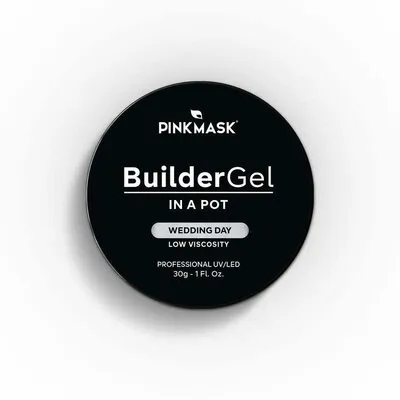
Builder Gel in a Pot - Wedding Day
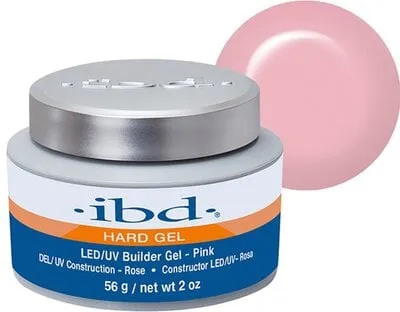
Hard Builder Gel - Pink - 2 oz
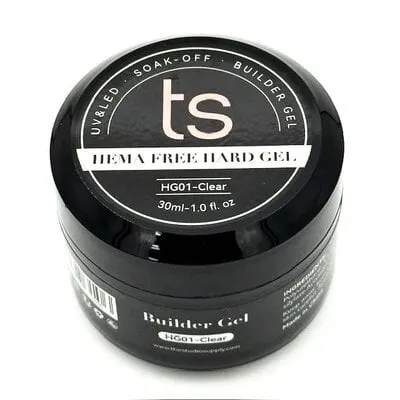
Hema Free Hard Builder Gel - HG01 Clear - 30ml
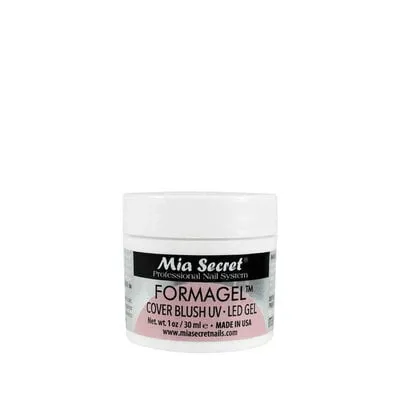
Formagel Builder Gel - Cover Tan - 1 oz
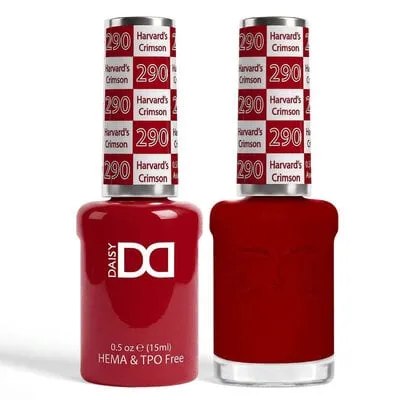
290 - Harvard’s Crimson - Duo Polish
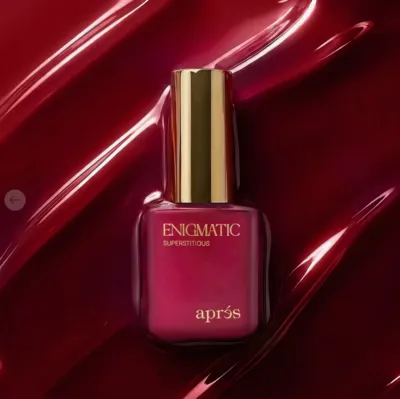
Enigmatic Gel Couleur - J23 Superstitious
P38 - Intelli-Gel - My Solar Clock Is Ticking