How much do nail techs make in Florida, and is it a good career?
BLS pay and outlook for nail techs, Florida's 180-hour entry path, what changes your income and the physical downsides, with sources.
The Bureau of Labor Statistics reports a U.S. median of $35,760 a year ($17.19 an hour) for manicurists and pedicurists in May 2025, with 9% job growth projected from 2025 to 2035. The BLS page has no Florida-only figure, and its wage data excludes self-employed workers. Entry is quick (180 school hours in Florida), but the work is physical and income depends on how you are paid.
The national numbers, from the BLS
The U.S. Bureau of Labor Statistics (BLS) publishes the most reliable public figures on nail tech pay. For manicurists and pedicurists, the Occupational Outlook Handbook lists:
| Measure | Figure |
|---|---|
| Median pay (May 2025) | $35,760 a year, or $17.19 an hour |
| Lowest 10% earned less than | $13.90 an hour |
| Highest 10% earned more than | $24.10 an hour |
| All occupations, median hourly | $24.51 |
| Jobs in 2025 | 201,800 |
| Projected growth, 2025 to 2035 | 9%, much faster than average, about 18,600 jobs |
| Average openings per year | About 21,900, mostly from workers who leave the occupation |
| Self-employed share | 23% |
Two points from the BLS matter for reading these numbers. First, the median is the middle of the range: half of workers earned more and half less. Second, the BLS says its wage data excludes self-employed workers. Since nearly a quarter of nail techs are self-employed, and since many more rent booths or run their own books, the true spread is wider than the table suggests.
What about Florida?
The BLS handbook page has no Florida-specific figure. It links to the Occupational Employment and Wage Statistics program (OEWS), which has state and metro tables. If you want a number for Miami-Fort Lauderdale-West Palm Beach, open the OEWS data tables, choose the manicurists and pedicurists occupation, and read the state or metro row. We do not quote a Florida number here because we could not verify one from a page we opened, and a wrong number would mislead you.
What we can say about Florida is the entry path: the DBPR requires 180 hours in a nail specialty program at a Florida school of cosmetology, with a $45 renewal fee every two years and 10 hours of continuing education. Palm Beach State College lists its 180-hour program at about $1,500 for Florida residents, and Sheridan Technical College lists about $1,348 for 2025-26. Compared with many careers, the up-front training time and cost are small. See our full guide to the path.
What changes your income more than the median
A national median hides the gap between a tech who is booked three days a week at a slow salon and a tech who is fully booked with regulars at a price that matches her skill. The levers are within your control, to a degree:
- How you are paid. Employee, commission and booth rental each have different risk and reward. The DBPR says the Board does not regulate booth renting, so contracts and taxes are your responsibility. Read our booth rental guide.
- Your prices. Pricing by time and cost instead of copying neighbors can change your hourly earnings. See how to price nail services.
- Speed and quality. More clients per day with fewer redos. This takes practice and the right products.
- Specialty. Gel-X and soft gel extensions, sculpted acrylic, builder gel, natural nail care and nail art are different markets. Pick one and become the person people ask for.
- Retention. A tech with 60 regulars booked every two to three weeks has a more stable income than one who chases new walk-ins.
- Tips. Tips are part of real income for many techs. Keep your own records of what you receive.
- Add-ons and extra credentials. A full specialist registration (180 hours of nails plus 220 of facials, per the DBPR) lets you offer facials too.
Another lever is your calendar discipline. Late cancellations and no-shows turn paid hours into empty chair time, and they hit commission and booth-rent techs the hardest. A clear booking policy, reminders the day before and a deposit for long services protect the hours you worked to fill. None of this needs special equipment, just a habit of stating the policy at booking and following it.
A simple income model (example numbers)
Use this to test your own plan. The numbers are placeholders.
| Line | Example |
|---|---|
| Clients per day | 5 |
| Average ticket | $60 |
| Days worked per week | 5 |
| Weeks worked per year | 48 |
| Gross service revenue | 5 × $60 × 5 × 48 = $72,000 |
| Less booth rent or salon share, supplies, insurance, fees | Your own numbers |
The point of the exercise is to see how many clients you need and how many hours you must fill. If you cannot fill the calendar, the answer is marketing and retention, not a higher price.
Three ways to be paid, and who carries the risk
| Model | How it works | Upside | Risk |
|---|---|---|---|
| Employee (hourly or salary) | The salon sets your schedule and provides clients and supplies | Predictable pay; no need to find clients | Lower ceiling; the employer controls prices and hours |
| Commission | You keep a percentage of what you bill; the salon provides space, clients and often supplies | Income grows with your speed and prices; low startup cost | Your percentage depends on the agreement; slow days still pay little |
| Booth or station rental | You pay a fixed fee, run your own business and keep what you earn after costs | Highest ceiling; you set prices | Rent is due even when the book is empty; you handle supplies, taxes and insurance |
Which one fits depends on your client base. A new tech with few regulars is usually safer in a commission role. A tech with a full book can often do better renting a station. The IRS looks at behavioral control, financial control and the type of relationship to decide whether someone is an employee or an independent contractor, so the label in your agreement is not the only thing that counts. Our booth rental guide goes into the details.
Job outlook
The BLS projects 9% employment growth from 2025 to 2035, which it calls much faster than average, and about 21,900 openings a year. The BLS notes most openings come from replacing people who leave the occupation, which tells you something about turnover. Some of it is career changes, some is retirement, and some is the physical toll of the job.
Demand for the service stays steady because it recurs. Clients who like their nails come back every two to four weeks. That repeat pattern is what makes a nail career work as a business, and it also makes your reputation matter more than your advertising.
The honest downsides
The BLS describes the work environment this way: long periods of sitting, use of chemicals (so gloves and masks), schedules that often include evenings and weekends, and many techs working more than 40 hours a week. The CDC's NIOSH adds specifics.
- Chemical exposure. NIOSH lists acetone, dibutyl phthalate, ethyl acetate, formaldehyde, methacrylate compounds, toluene and triphenyl phosphate among ingredients in nail products. Effects it lists include skin rashes, irritation of the eyes, nose and throat, asthma and other health problems.
- Ergonomics. Leaning over a table, hunching for pedicures and repetitive filing raise the risk of musculoskeletal disorders. NIOSH suggests adjustable chairs and regular breaks.
- Pregnancy. NIOSH reports a study in which mothers of infants with a congenital heart defect were about three times more likely to have worked as nail technicians in early pregnancy. If you are pregnant or planning to be, talk to your doctor about your work setup.
- Variable income. Especially when you start, or when you rent a booth and carry the risk.
- Time on your feet and hands. Hand strain and eye fatigue come with the job.
The protections are practical and inexpensive: local exhaust at the table, closed containers, small-mouth dispenser bottles, gloves and respirators when needed. Our dust collectors and gloves and masks are a start. For ventilation advice, see the NIOSH page linked below.
A first-year plan if you decide to start
- Visit your local schools. Compare the all-in cost, schedule and what the program teaches. Palm Beach State College and Sheridan Technical College publish their numbers; ask private schools for theirs.
- Finish the 180 hours and apply to the DBPR. Work under supervision while the application is pending only if you meet the DBPR conditions.
- Start in a salon that teaches speed and gives you steady clients. Avoid renting a booth before you have a client base.
- Pick one system and master it. Our kit list shows what to buy.
- Price by cost and time from the start.
- Save your regulars' contact info and rebook before they leave the chair.
- Set up your station for your body. Adjustable chair, good light, ventilation, breaks.
- Review at six months: hours worked, income, clients retained, what you enjoy and what drains you.
Nail tech is a good career if you like hands-on creative work, can handle the physical demands and are willing to build a client base. It is a poor fit if you need guaranteed income from day one, or if repetitive hand work and chemical exposure would be a problem for your health. Visit a salon, ask techs honest questions, and decide with real information.
Shop what's in this guide
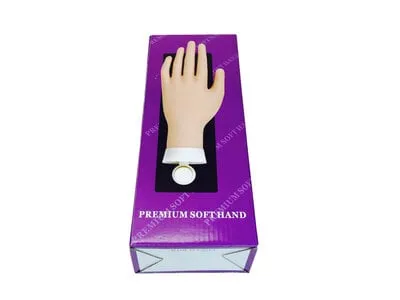
Premium Soft Practice Hand w/ Stand - Purple Box
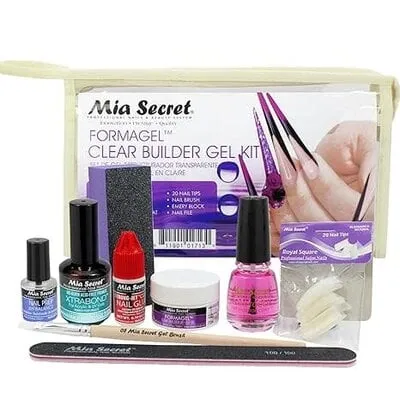
Formagel - Clear Builder Gel Kit
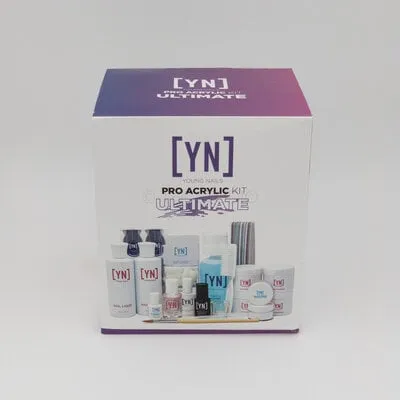
Pro Acrylic Kit - Ultimate
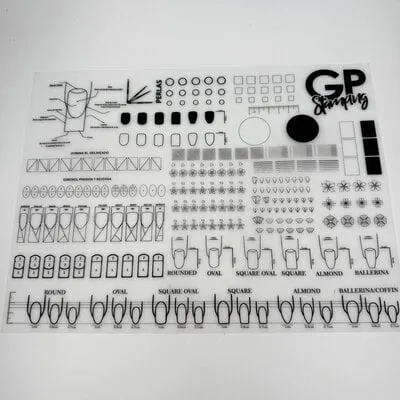
GP Stamping - Silicone Nail Training Mat
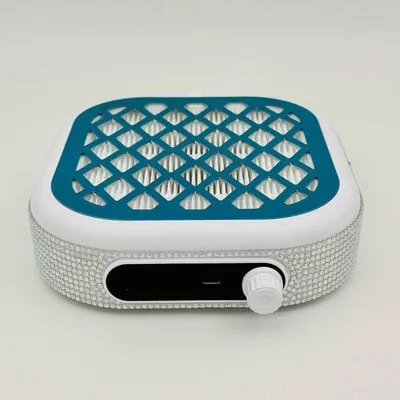
NAD - Nail Dust Collector - 30W - White AB Rhinestone
Small File Buffer - 100/180 - Pink - 20 ct
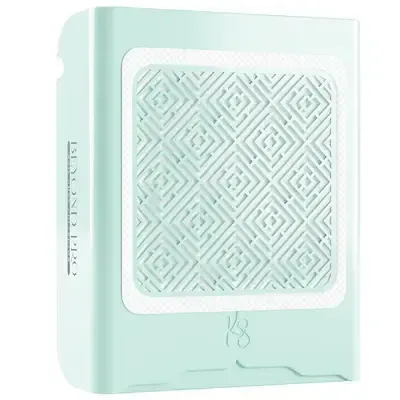 Sale
Beyond Pro Nail Dust Collector - Teal
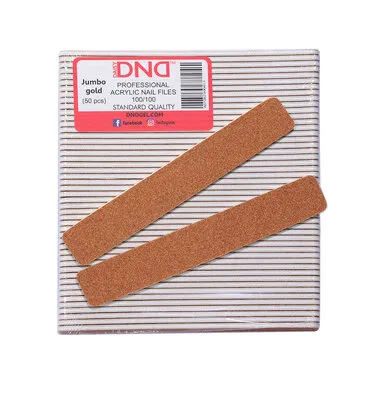
Nail Files - Rectangle - 100/100 - Jumbo Gold - 50 count
Questions we get at the counter
How much do nail techs make in Florida?
Is nail tech a good career?
How do nail techs get paid in Florida?
How long does it take to become a nail tech in Florida?
What are the health risks of being a nail tech?
How much does nail school cost in Florida?
Sources
- Manicurists and Pedicurists, Occupational Outlook Handbook, U.S. Bureau of Labor Statistics
- Occupational Employment and Wage Statistics (state and metro data), U.S. Bureau of Labor Statistics
- Professional Regulation FAQ (renewal, CE, fees), Florida DBPR
- Nails Technician program, Palm Beach State College
- Nails Specialty program sheet 2025-26, Sheridan Technical College
- Nail Technicians: Workplace Safety and Health, CDC/NIOSH
- Independent Contractor (Self-Employed) or Employee, IRS