Can you do Gel-X or acrylic nails without a license in Florida?
Florida law says adding or extending nails for pay needs a nail specialist registration. What is exempt, the penalty and the legal path.
Not for pay. Florida's definition of manicuring in section 477.013 includes adding or extending nails and applying artificial nails, so Gel-X, acrylic, builder gel and polygel for compensation require a nail specialist registration (or a cosmetology license). Free work for friends is outside the licensing rules according to the DBPR, and applying polish only is exempt. This is general information, not legal advice.
The short answer, and the one exception people misread
If you take money (or any compensation) for doing nails in Florida, you need to be registered or licensed by the Department of Business and Professional Regulation (DBPR). That includes Gel-X, acrylic, dip, builder gel, polygel and gel polish on natural nails, with one narrow exception for plain polish, explained below.
The DBPR's Board of Cosmetology FAQ answers the question "What services can I provide without having a license?" in two points. Services are unlicensed if you receive no compensation. And since July 1, 2020, people whose work is limited to applying makeup or nail polish are exempt from licensure.
Most of the confusion comes from that second point. "Nail polish only" does not mean "any nail service that uses polish." The moment you add, extend, sculpt, overlay or shape an enhancement, you have left the exemption.
What the law actually says about nails
The definition lives in section 477.013(6)(a) of the Florida Statutes. Manicuring means "the cutting, polishing, tinting, coloring, cleansing, adding, or extending of the nails," and it also covers massaging the hands and applying artificial nails, except nails applied solely with a simple adhesive. Pedicuring in paragraph (6)(b) covers shaping, polishing, tinting or cleansing the nails of the feet, and massaging or beautifying the feet.
Read that list as a checklist of activities that need registration when you do them for pay:
- Cutting and shaping natural nails
- Cleansing and cuticle work
- Tinting and coloring
- Adding or extending nails, which is Gel-X, soft gel tips, acrylic over tips or forms, polygel, builder gel with forms, and sculpted sets
- Hand and foot massage as part of a service
- Pedicures
Section 477.0135 lists the people who do not need a license or registration for specific narrow activities. For nails, the relevant line is subsection (10): applying polish to fingernails and toenails only. The same section also exempts hair braiding only, hair wrapping only, body wrapping only and makeup only, but those do not cover nail enhancements.
Where Gel-X, acrylic, dip and gel polish fall
| Service | Falls under manicuring? | Why |
|---|---|---|
| Plain polish on natural nails | Exempt if that is all you do | Section 477.0135(10) and the DBPR FAQ |
| Gel polish on natural nails | Treat as covered | Involves cleansing, prep, coloring and shaping; it goes beyond simply applying polish. Confirm with the DBPR if you plan to do only this. |
| Gel-X or soft gel tips | Yes | Adds and extends the nail |
| Acrylic with tips or forms | Yes | Adds and extends the nail |
| Dip powder | Yes | Cleansing, shaping and building product on the nail |
| Builder gel, polygel, hard gel | Yes | Adds and extends the nail |
| Press-on nails applied for a client | Gray area; ask the DBPR | The statute excludes artificial nails "applied solely with a simple adhesive," but the same definition lists cutting, shaping and cleansing the nails |
| Pedicure | Yes | Section 477.013(6)(b) |
Notice the two rows marked with caution. We are not telling you those services are always illegal. We are telling you the statute does not give you a clean yes, and a DBPR investigator decides how to read it, not a brand rep or a social media post.
What happens if you do nails without a license in Florida
Section 477.0265 lists prohibited acts. Three of them matter here:
- Practicing cosmetology or a specialty without an active license or registration
- Operating a salon without a salon license, or allowing unlicensed people to perform services in a licensed salon
- Employing someone who does not hold a valid, active license or registration
Violations are a second-degree misdemeanor under that section. A misdemeanor charge is a criminal matter, so penalties come from the state's general sentencing statutes, not from the cosmetology chapter. Look up chapter 775 of the Florida Statutes or ask an attorney if you want the exact range.
The risk is not only for the person doing nails. A salon owner who lets an unlicensed person work in the shop, creates exposure for the owner too. That is why serious salons ask to see your license before they hire you or rent you a station.
The same section also bans using liquid nail monomer that contains MMA (methyl methacrylate). That ban applies to registered techs too, so it is worth reading our monomer section notes and checking labels before you buy a cheap liquid from an unknown seller.
A brand certificate is not a Florida license
Brands and educators sell excellent classes. A Gel-X certification, an acrylic masterclass, a builder gel course or a lash workshop teaches you technique and makes you a better tech. None of them is a state registration.
The DBPR requires the hours to be completed in a nail specialty program at a Florida school of cosmetology (see our full guide to the path). A weekend course, an online class or a brand program does not count toward the 180 hours, and the certificate does not stand in for the registration.
There is a reason the state cares about hours. Section 477.0201 describes the specialty training as having a focus on sanitation and safety. Nail services involve cutting tools, chemicals and skin contact, and an infection or a chemical burn happens to a real client. The registration tells that client, and the inspector who visits your salon, that you were trained to a minimum standard.
A good way to think about it is as two layers. The state registration answers "may you legally do this work in Florida." The brand certificate answers "do you know this system well." Pros need both, in that order.
Common situations, answered
"I only do my friends and family for free."
The DBPR FAQ says services are unlicensed if you receive no compensation. Gifts, trades and "donations" can blur that line, so keep it truly free. If money, goods or services come back to you, treat it as paid work.
"I do nails from my apartment."
A home does not remove the rules. If you are licensed, you may run a salon from your home only if you hold a salon license and meet the DBPR's conditions, including a permanent wall, a separate entrance and separate toilet facilities. If you are not licensed, there is no home exception for paid work.
"I have a cosmetology license from another state."
The DBPR offers licensure by endorsement if your out-of-state requirements are equal to or greater than Florida's. You must hold the Florida license before you practice, with no working-while-pending exception.
"I finished school and my application is pending."
You may work under a registered specialist in a licensed salon after you have finished all hours and submitted the application and fees. The supervisor has to be physically present, and you give the owner copies of your application and transcripts.
"I only do nail art on top of polish."
Decorating the nail is part of coloring and beautifying the nail, both of which sit inside the manicuring definition. The polish-only exemption is written for applying polish, not for a paid art menu with chrome, charms, encapsulation and hand-painted designs. Treat paid nail art as a covered service.
"I sell press-on sets online."
Selling a product you made is different from performing a service on a client. The statute excludes artificial nails applied solely with a simple adhesive. If you apply sets for clients in person, or add shaping, prep or massage, ask the DBPR first.
"I hold a cosmetology license."
You do not need a separate nail registration. The DBPR FAQ says a licensed cosmetologist does not need a separate nail or facial specialist registration.
The legal path, step by step
- Confirm you meet the age rule: 16 or a high school diploma.
- Enroll in a 180-hour nail specialty program at a Florida school of cosmetology. Palm Beach State College lists about $1,500 and a 2 to 3 month schedule, and Sheridan Technical College lists about $1,348 for 2025-26.
- Submit your registration application and fees to the DBPR when the hours are complete.
- Work under supervision while it is pending if you meet the DBPR conditions.
- Renew every two years: $45 and 10 hours of board-approved continuing education.
How to check someone else
Clients and salon owners can look up any registered specialist or salon on the DBPR license search. Search the person's name or license number and read the status and expiration date. A tech who is truly registered will not mind you looking.
Once you are registered, the tools are the easy part. Our beginner kit list covers what to buy first, and our Gel-X section carries the systems most new techs learn on.
Shop what's in this guide
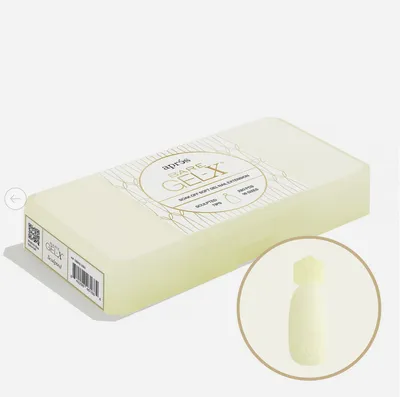
Bare Gel - X Tip Box - Sculpted
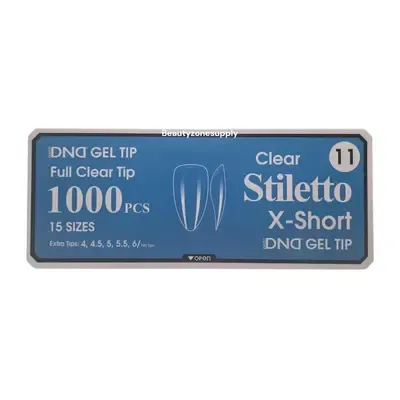
Gel Tips - Full Stiletto X-Short
Gelly Tips - 4 Top Coat Non Wipe - 0.5 oz
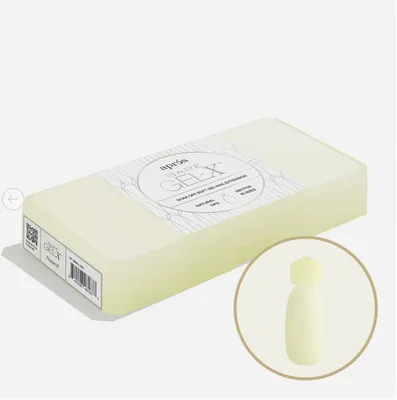
Bare Gel - X Tip Box - Natural
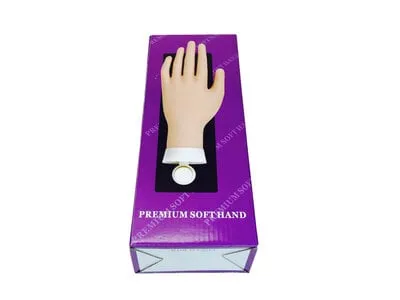
Premium Soft Practice Hand w/ Stand - Purple Box
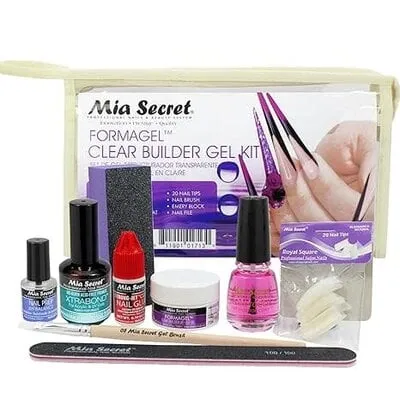
Formagel - Clear Builder Gel Kit
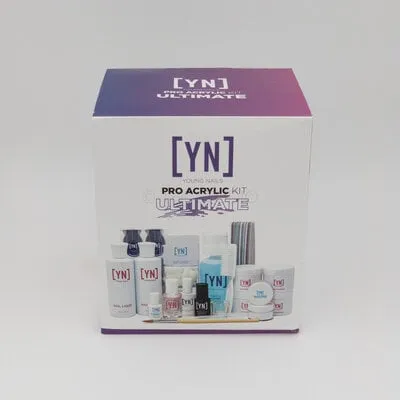
Pro Acrylic Kit - Ultimate
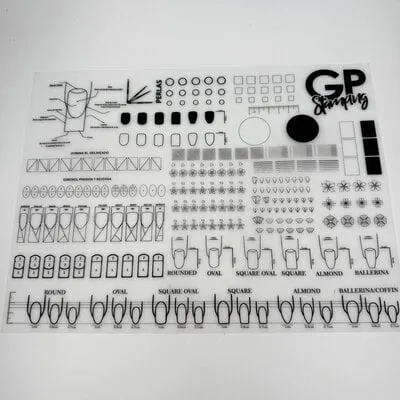
GP Stamping - Silicone Nail Training Mat
Questions we get at the counter
Is it illegal to do nails without a license in Florida?
Can I do Gel-X nails without a license in Florida?
Can I do nails with a cosmetology license in Florida?
Does a Gel-X or acrylic certificate count as a Florida license?
Can I work as a nail tech while my application is pending?
Can a salon owner get in trouble for hiring an unlicensed tech?
Sources
- Section 477.013, Definitions, Florida Statutes
- Section 477.0265, Prohibited acts, Florida Statutes
- Board of Cosmetology FAQ, Florida DBPR
- Professional Regulation FAQ (renewal, CE, fees), Florida DBPR
- Nails Technician program, Palm Beach State College
- Nails Specialty program sheet 2025-26, Sheridan Technical College