Brow Lamination Basics: How It Works, the Steps and the Risks
How brow lamination works, what a kit includes, the basic steps, and what research says about allergy and eye risks, for techs thinking of adding it.
Brow lamination uses a thioglycolate lifting lotion to break and reshape the hair's keratin bonds, then a setting lotion to lock the new direction. It is a chemical service like a perm, so techs need a patch test, careful eye protection and the kit maker's exact timings.
What brow lamination is
Brow lamination is a chemical treatment that changes the direction of brow hairs so they sit up and brushed in place. A research review in the Journal of Cosmetic Dermatology describes the first step as applying thioglycolic acid or ammonium thioglycolate, which break and reform the disulfide bonds in keratin so the hair sets into a new shape. These are the same families of chemicals used in perms and hair relaxers.
In practice, the service has three steps: a lifting (perm) lotion that softens the hair and lets you reposition it, a setting or neutralizing lotion that locks the new shape, and a conditioning or nourishing step. Many techs finish with a tint, trim and brush-up. The result usually lasts until the hair grows out, which is why clients rebook.
Lamination uses the same chemistry as a hair perm, near the eyes. It is a chemical service, not a cosmetic brush-on. Learn the product, patch test, and protect the eye area on every client.
What a lamination kit includes
The Studio's lash lift and lamination category carries Elan's Brow Lash Lamination Kit, the Elan Lash and Brow Lift, Tint Kit 4 in 1, and the Flora Ruby Lash, Brow Lift Kit. Kits differ, so read the directions for the one you buy. Look for:
- A lifting solution or cream (step 1) and a neutralizing or setting solution (step 2)
- A conditioning or nourishing step
- Brushes, applicators and protective film or pads
- Written timing for each step
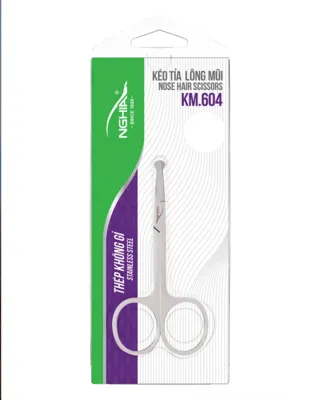
Beyond the kit, you will want brow scissors for trimming (The Studio carries brow scissors and tools including Nghia and Satin Edge) and clean disposable applicators. Use disposable or fully sanitized tools on every client.
The basic steps
This is a general outline. The exact timing, product amounts and order belong to your kit's directions and your training. Do not substitute guessed times.
- Consult and screen. Ask about allergies, past reactions to perms, tints or lash glue, pregnancy and any skin condition near the brow. Look at the skin for broken, irritated or sunburned areas. Skip the service if the skin is not intact.
- Patch test. The research review recommends patch and prick testing and notes that a lack of immediate reaction should not be taken as proof of safety, because sensitization can be delayed. Follow your kit's patch-test directions.
- Cleanse and degrease. Clean the brows so the lifting product can work, using a product your kit allows.
- Brush hairs into position. Set the brow in the direction and shape you want. Protect the skin and keep product off the eye.
- Apply the lifting lotion for the time in your kit's directions. Do not exceed it.
- Remove the lifting lotion as directed, then apply the setting/neutralizing lotion for its timed step.
- Remove, condition and shape. Remove the setting lotion, apply the conditioning product, and trim or tint if you offer it.
- Aftercare. Give clear written rules from the kit maker.
Risks and what the evidence says
Lamination has less published safety data than eyelash extensions. The best peer-reviewed review on it, in the Journal of Cosmetic Dermatology (2024), says it contains no direct clinical study of brow lamination itself. Its conclusions come from hairdressing, animal and general thioglycolate data, and the authors call for more research. With that in mind:
- Skin allergy. The review reports allergic contact dermatitis to ammonium thioglycolate on patch testing: 4.8% in a Japanese cohort, 17.81% in a Brazilian cohort and 11% in hairdressers. It also notes sensitization among hairdressers rose from 2.7% to 12.3% over 10 years and that reactions can appear between one month and one year after exposure. People with atopy or a family history of it may be at higher risk.
- Eye irritation. In rabbit studies, 17.5% ammonium thioglycolate and 22% thioglycolic acid caused conjunctival redness. Keep product off the lid margin and away from the eye.
- Hair damage. Reduced strength, higher porosity and color changes in treated hair.
- Breathing. One study noted asthmatic patients reacting to inhaled ammonium thioglycolate mists. Ventilate the room.
The authors suggest consumers consider alternatives until more is known. That is a reasonable thing to tell a client with a history of reactions. A client with eczema around the brows, a reaction to perms or a known thioglycolate allergy should see a dermatologist before booking.
Consultation checklist before you book the service
A short consult prevents most problems. Ask these questions and write the answers on the client record:
- Have you ever had a reaction to a perm, hair relaxer, hair dye, brow tint or lash glue?
- Do you have eczema, psoriasis, a rash or a recent procedure around the brows or eyes?
- Are you pregnant or nursing? (Ask her doctor. The published review does not settle this, and kit makers list their own contraindications.)
- Are you using retinoids, exfoliating acids or have recent peels or waxing around the brows? Irritated skin should not be treated.
- Do you wear contacts? Tell them to remove contacts if the kit maker advises it.
The research review notes that people with atopy or a family history of atopy may be at higher risk of contact dermatitis. Treat that as a reason to be more cautious, not as a hard rule.
A note on tinting
Many techs combine lamination with a tint. The FDA warns that permanent eyelash and eyebrow tints and dyes have been known to cause serious eye injuries, including blindness, and that color additives need to be approved for use in the area of the eye. The FDA does allow silver nitrate as a color additive in professional-use-only products to color eyebrows and eyelashes, restricted to up to 4 percent silver nitrate in a viscous gel. If your kit includes a tint, read the label and the maker's directions, keep it away from the eye, and use only products labeled for brow use.
Troubleshooting a lamination service
Because there is little published clinical data on the service itself, rely on your kit's directions and your training. These are general patterns and what to do:
| Problem | Likely cause | Fix |
|---|---|---|
| Hairs do not hold the new direction | Brows not clean, lifting lotion not given the time in the directions, or hairs not held in place during setting | Follow the kit's timing, cleanse first, brush hairs firmly into place before the setting step. |
| Brows look dry, fuzzy or brittle | Product left on too long, or hair already damaged | Use the shortest time the kit allows, condition afterward, and do not repeat the service too soon. The review reports the chemicals can reduce hair strength and increase porosity. |
| Color looks different after | The review notes changes to pigmentation are possible | Warn clients before the service. |
| Redness, itching, swelling or a rash on the skin | Irritation or allergic contact dermatitis | Stop, remove product as directed, and send the client to a doctor or dermatologist. Reactions can appear weeks later, so ask clients to report them. |
| Product near the eye or stinging | Placement or drip | Stop, flush with water, and refer to medical care if irritation continues. Use less product and protect the lid. |
Record the kit, batch, time left on and any reaction for each client. If you ever need to figure out what happened, that record is the whole investigation.
Aftercare to give clients
Always use the written aftercare from the kit maker first. Common sense items most brow kits share include keeping the brows dry for the period stated, avoiding steam and heavy makeup on the area, and not picking at the hairs. If a client has burning, swelling, a rash or eye irritation, they should wash off product as directed and contact a doctor. For any eye contact, flush with water and seek medical care.
Brow lamination is related to the lash lift, which uses a similar process with silicone rods and pads. The Studio carries Lash Lift Rods in 5 sizes, a Lash Lift Separator Tool with Comb and silicone lash separators in the same category.
Training, licensing and insurance
In Florida, cosmetology services are regulated under Chapter 477 of the Florida Statutes and Florida Board of Cosmetology rules. This guide does not tell you which license a brow service falls under. Check with the Florida Department of Business and Professional Regulation (DBPR) before you offer lamination, and confirm your insurance covers chemical brow and lash services. Take a manufacturer or recognized training course for the kit you plan to use.
Sanitation matters here as it does for every eye-area service. The FDA's eye cosmetic guidance says to wash hands before applying eye cosmetics, make sure any instrument placed near the eyes is clean, and not to share eye products. Use fresh disposable applicators for each client, wipe down brushes and scissors with a disinfectant approved for your tools, and never double-dip into a shared jar.
Shop what's in this guide
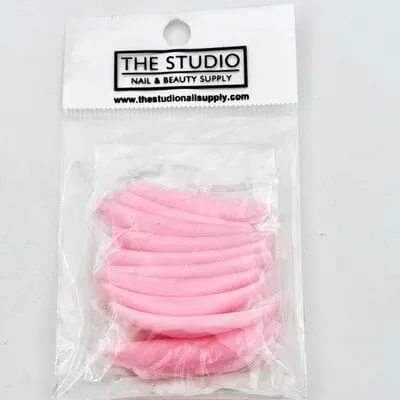
Lash Lift Rods - 5 pairs/sizes

Brow Lash Lamination Kit
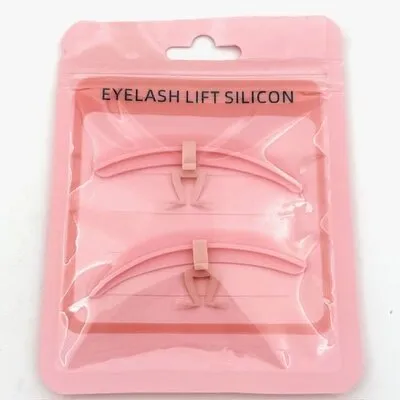
Eyelash Lift Silicon Lash Separator - Pink - 2 pc
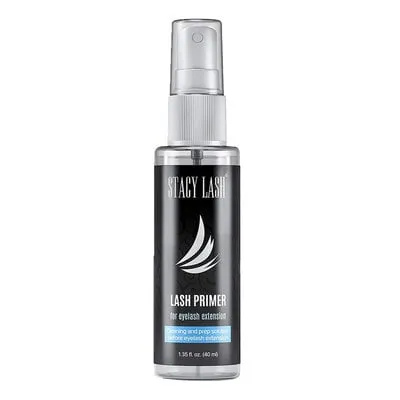
Lash Primer for Eyelash Extension - 40 ml
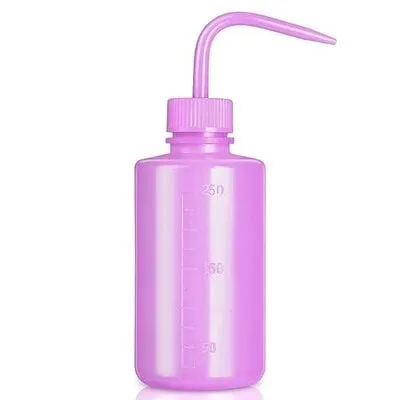
Lash Wash Bottle - Purple - 250 mL
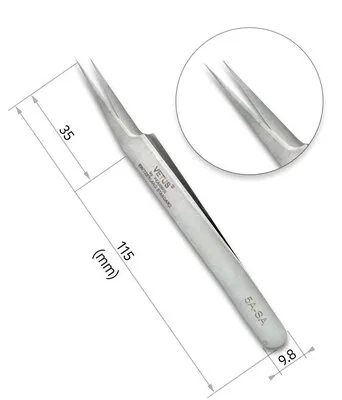
Tweezers Fine Tip - 5ASA
Fiber Tip Tweezer - Pink - 4