How to Use Callus Remover Gel (and How Long to Leave It On)
Step-by-step callus remover gel use: soak, apply, wait the label time, wipe, file gently. Plus who should skip it and a troubleshooting table.
Soak the foot, apply callus remover gel only to the thick skin, wait exactly the time on the label (the product we checked says 3 to 5 minutes), wipe off, then file gently and rinse. Never leave it on longer than the label says. If you have diabetes, numb feet or poor circulation, skip home callus treatments and see a dermatologist.
What callus remover gel actually does
A callus is thick, hard skin that forms where there is repeated friction or pressure. The American Academy of Dermatology (AAD) explains that calluses develop naturally to protect the skin underneath. Calluses on the feet show up on the heels, the ball of the foot and the sides of the big toe, mostly from shoes that rub.
Callus remover gel is a softener. It is applied to dry or just-soaked skin and left for a short time so the hard layer loosens. A file or pumice then takes off the loosened skin. The gel does the slow part, and the file does the finishing. Because it is a chemical product, the contact time on the label is a safety limit, not a suggestion.
Corns are a related problem. The AAD says corns come from bone pressure against the skin, show up on the tops and sides of toes and the balls of the feet, and can be hard and dry or soft and mushy. A softener on the skin will not fix the pressure behind a corn, so if a client points to a small, painful spot on a toe, treat it as a fit problem first.
It is different from a foot file used alone. A dry file removes dead skin by abrasion, which takes more pressure and more passes. A softener first means the file does less work, but only if you stick to the time and file lightly.
How to use callus remover, step by step
- Read the label. Contact time, whether to apply on wet or dry skin, and whether to rinse are product specific. A well-known salon product, Be Natural Callus Eliminator, says to apply after soaking, leave it 3 to 5 minutes depending on buildup, wipe away the excess and then file or buff. Other products give different times. Follow yours.
- Soak the feet. The AAD recommends soaking a callus in warm water for about 5 to 10 minutes, until the skin softens. Warm, not hot.
- Pat the feet mostly dry if the label says to apply to the skin directly. A wet foot can dilute the gel and let it run onto healthy skin.
- Apply the gel only to the callus. Use a spatula or a gloved finger. Stay off cuts, cracks that bleed, blisters, athlete's foot patches and the soft skin between the toes.
- Set a timer for the label time. Do not estimate.
- Wipe the gel off with a damp towel or rinse, as the label says.
- File lightly. The AAD warns not to take off too much skin, which can cause bleeding and infection. Use a foot file or pumice in circular or sideways motions, and stop when the skin is smooth, not when it is thin.
- Rinse, dry and moisturize. The AAD suggests a lotion or cream with salicylic acid, ammonium lactate or urea to keep softening hard skin gradually.
How long to leave it on (and why not overnight)
The right time is on your product's label, because the maker tested that time on that formula. We looked at one salon callus product and its directions say 3 to 5 minutes. A gel-based product with different strength can say something else.
Leaving a softener on skin for hours is not something the AAD recommends, and it increases the chance of irritation or a chemical burn on skin that was only meant to be exposed briefly. If a label does not say to leave it on overnight, do not. For stubborn buildup, repeat the whole process another day instead of extending the time.
| If this happens | Do this |
|---|---|
| Callus is still hard after the label time | File lightly, moisturize daily, and repeat in a few days |
| Skin stings or turns red while the gel is on | Wipe it off and rinse right away with water |
| Skin looks raw or blistered afterward | Stop using it. See a doctor if it does not settle quickly |
Who should skip callus remover
Be direct with clients about this, because the stakes are higher than for most pedicure steps.
- People with diabetes. The AAD says that if you have diabetes, see a board-certified dermatologist for corns and calluses. Reduced feeling in the feet can hide damage, and small wounds heal slowly.
- Anyone with numb feet, poor circulation or nerve problems for the same reason.
- Anyone with a very painful callus or one of unknown cause. The AAD says to see a dermatologist if you are not sure what is causing it or if it is very painful.
- Open skin, infections or fungus. Do not apply gels over broken or inflamed skin.
- Pregnant clients should ask their doctor about any chemical foot product. We do not have a source that gives a specific rule, so we will not invent one.
In a salon, a quick question before the service ("any diabetes, numbness or open spots on your feet?") protects the client and protects you.
Pick the right product and tool
The catalog has a wide range of callus removers, from small bottles to 32 oz salon sizes. Here is how to choose.
| You need | Look at |
|---|---|
| Salon-size gel with a scent menu | LA PALM callus remover in 32 oz, including an "Extreme" version, and Spa Redi in 12 oz and 32 oz |
| Extra-strength gel | Blue Cross Extra Strength Callus Remover Gel, 16 oz |
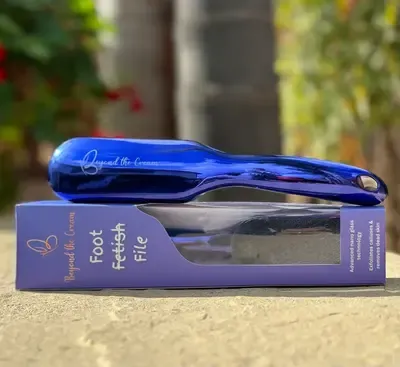
| A gentle manual file after the gel | Foot files and microplane files, such as The Studio Nano Glass foot file |
| A faster finish on thick heels | A foot e-file / callus machine used lightly, by a trained tech |
| Natural softening only | Pumice and a scrub |
Browse all callus removers. Add a rich foot cream or massage lotion at the end to keep heels soft between visits.
Keep calluses from coming back
Softening and filing treat the symptom. The AAD points to the cause: friction and pressure. Most calluses and corns gradually go away when whatever rubs or presses stops. Its practical advice:
- Wear shoes that fit. Shop for shoes at the end of the day, when feet may be slightly swollen, have the foot measured, and avoid shoes that are too loose or too tight.
- Keep toenails trimmed. Long toenails push the toes against the shoe and can cause a corn over time.
- Use padding. The AAD suggests moleskin cut into two half-moon shapes around a callus, or donut-shaped pads around a corn.
- Moisturize daily. A cream with urea, salicylic acid or ammonium lactate gradually softens hard skin.
For clients who come back every month with the same heel callus, tell them this. A client who understands why the callus returns will trust you more than one who only hears "you need a pedicure."
Callus gel, file, pumice or e-file: which one when
| Method | Best for | Watch out for |
|---|---|---|
| Callus remover gel + file | Thick heels where a dry file would need a lot of pressure | Contact time, broken skin, clients who should skip chemicals |
| Pumice stone | Light buildup after a warm soak, as the AAD describes | Must be clean for every client, so a salon needs a spare for each back-to-back service |
| Foot file / microplane | Maintenance and finishing | Over-filing in one spot |
| Foot e-file (callus machine) | Speed for trained techs on thick heels | Skill, pressure, and cleaning the head between clients |
Do not mix everything at once on the same heel. Pick one approach per visit, and let the skin tell you whether it needs another.
For nail techs: sanitation and tools
The file and any tool that touches the foot must be clean for the next client. Florida's salon rule says an article may not be used on a second client without being disinfected, and that disinfectants must be EPA-registered or hospital-level and used according to the manufacturer's directions. Foot files and nippers need a place in your disinfecting routine. Disposable paper files are single-client items. Read the full routine in our pedicure tub cleaning guide and the salon supplies list.
The AAD also lists a few things clients should be able to see: clean stations, a technician who washes hands between clients and no dirty tools lying around.
Troubleshooting
| Problem | Likely cause | Fix |
|---|---|---|
| Heel still hard after two sessions | Friction from shoes is still there | Fix the cause: fitting shoes, moisturizer with urea or lactate, padding |
| Stinging on cracks | Gel got into broken skin | Keep gel off cracks, and treat them separately |
| Skin feels thin or tender after filing | Filed too much | Leave it alone for a few days, moisturize, and next time file less |
| Smell or residue stays on feet | Not rinsed | Rinse with warm water and a mild soap |
| Client feels it burning | Gel left too long or skin was already irritated | Wipe off, rinse, and skip callus gel on this client next time |
Shop what's in this guide
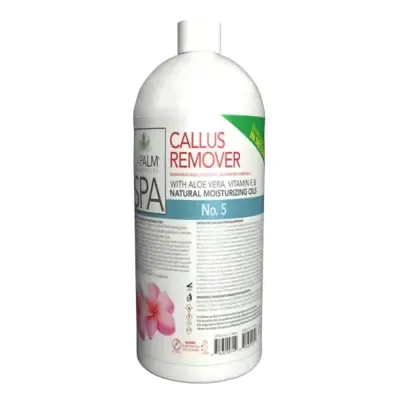
Extreme Callus Remover - 32 oz - No. 5
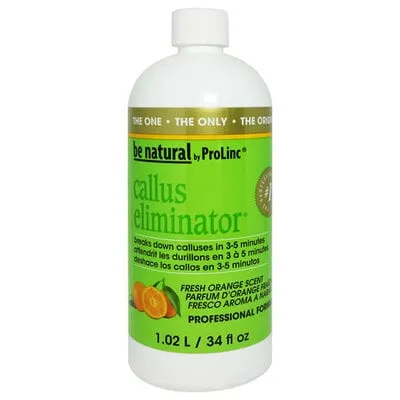
Be Natural - Orange Scented Callus Eliminator - 34 oz
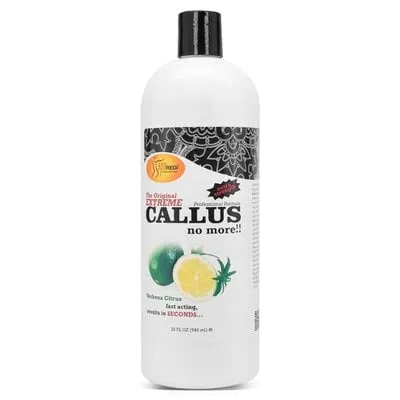
Callus Remover - 32 oz - Verbena Citrus
Blue Cross - Cuticle Remover - 8 oz
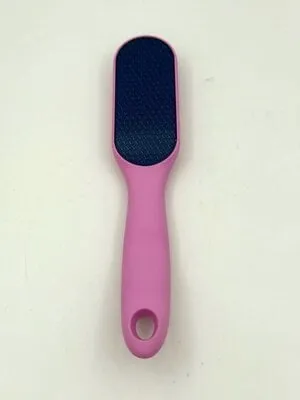
Nano Glass Foot Callus File - Pink 2
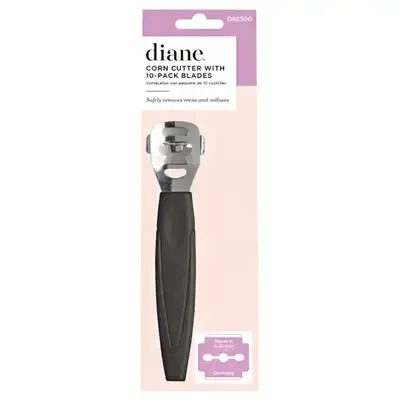
Corn Cutter w 10-Pack Blades - D92300
Blade Replacement